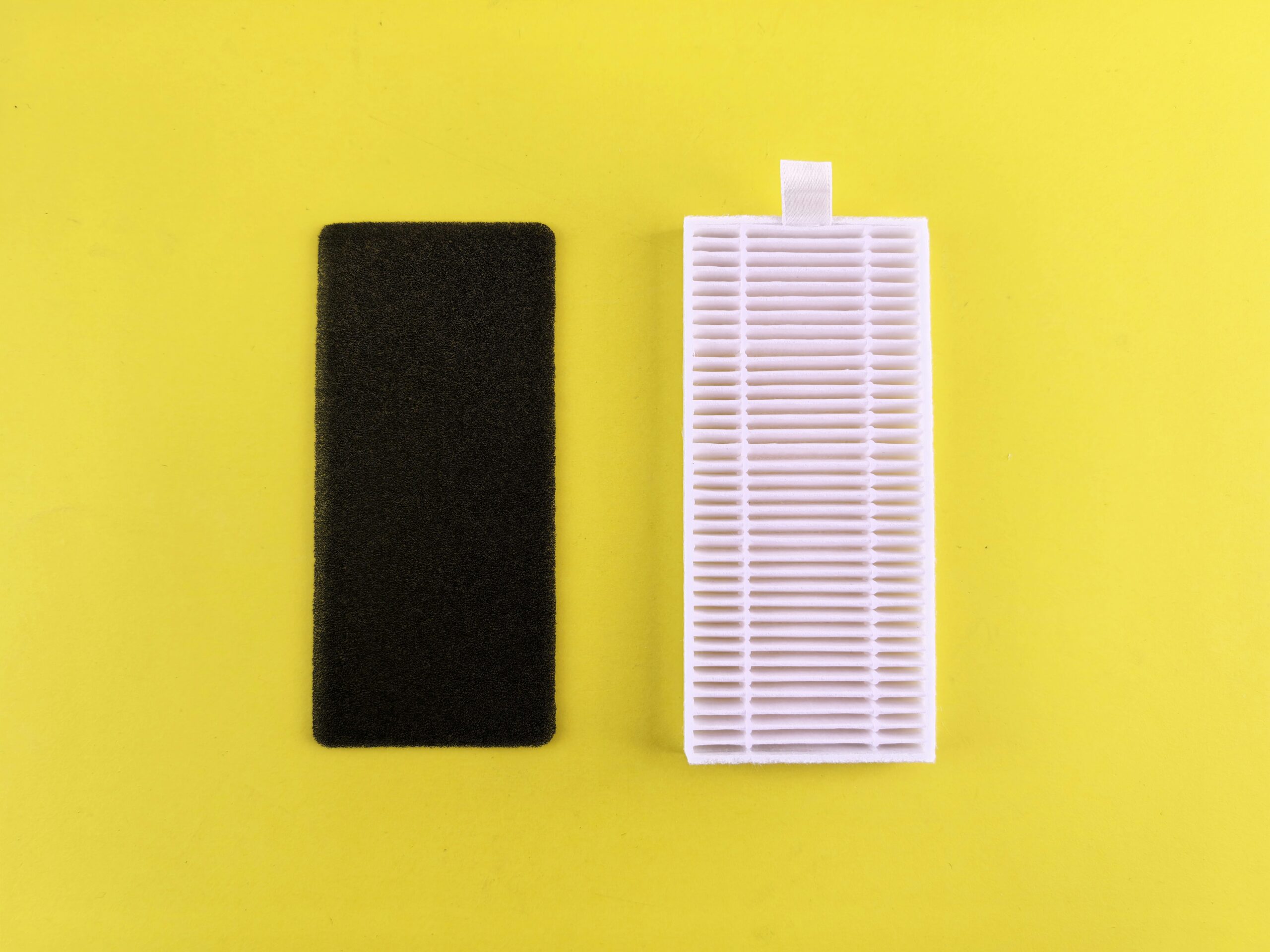
If you live in Upstate New York, you know allergy season is not just a few weeks in spring. Between tree pollen, grass, ragweed, and long winters that trap indoor pollutants, the air inside your home can feel just as irritating as the air outside.
That is where the conversation around MERV 16 filters vs. HEPA systems and whole home UV technology really starts to matter. When it comes to improving air quality in your home, filtration and pathogen control work best as a team.
Let’s break down what is really happening in your air and how MERV 16 filters and UV-C systems help.
Why Allergy Season Hits Hard in Upstate NY
Upstate New York’s climate creates the perfect storm for indoor air issues. Cold winters mean sealed windows and recirculated air for months. Spring and summer bring heavy pollen counts. Fall introduces mold spores from damp leaves and fluctuating humidity. Pollen and mold spores are two of the most common seasonal allergy triggers in the Northeast.
What most homeowners don’t realize is that, once these allergens enter your home, they do not just disappear. They settle into ductwork, carpets, and furniture. Then your HVAC system keeps cycling them through the air.
That is why filtration and pathogen neutralization inside the system matter just as much as what happens outdoors.
MERV 16 Filter vs HEPA: What Is the Difference?
When people compare a MERV 16 filter vs HEPA filter, they are usually trying to figure out which one actually works better, but the reality is that they’re different filters completely, and designed for different purposes.
Here is the simple version.
- MERV 16 filters are high-efficiency HVAC filters designed to capture very small particles.
- HEPA filters are hospital-grade filters that capture even smaller particles but require specialized equipment.
Understanding MERV 16 Efficiency
MERV stands for minimum efficiency reporting value. The higher the MERV number, the smaller particles these filters can trap.
A MERV 16 filter can capture:
- Pollen: Large seasonal allergy trigger.
- Mold spores: Common in damp basements and crawl spaces.
- Pet dander: Microscopic skin particles.
- Fine dust: Including combustion particles.
MERV 16 efficiency allows it to trap particles down to 0.3 microns at a very high percentage. That includes many bacteria and some virus-carrying droplets.
For most residential HVAC systems, MERV 16 offers extremely strong filtration without the airflow restrictions that true HEPA systems can create in standard ductwork.
When HEPA Makes Sense
HEPA filters capture 99.97 percent of particles at 0.3 microns. That sounds impressive, and it is. That’s why HEPA filters are often used in hospitals and specialized HVAC systems.
However, whole home HEPA systems typically require a dedicated bypass unit or standalone purifier. They are not usually drop-in replacements for your existing furnace filter, and they are so strong, they can actually cause airflow restrictions in a typical home’s HVAC system.
For many Upstate NY homes, upgrading to a MERV 16 filter within a properly designed system strikes a balance between filtration power and airflow performance.
Consider Adding a UV Air Purifier
Filtration traps particles. UV-C light handles what filters cannot. A whole-house UV air purifier installs inside your HVAC system and uses ultraviolet light to disrupt the DNA of microorganisms. That process is called pathogen neutralization.
It is especially helpful for:
- Mold growth on coils: UV light reduces biological buildup.
- Airborne bacteria: Neutralize microorganisms passing through the system.
- Odor-causing microbes: Helps reduce musty smells.
The Environmental Protection Agency explains that UV systems can be effective when properly installed within HVAC equipment, especially for controlling microbial growth on surfaces. In damp climates like ours, mold spore reduction is one of the biggest advantages. Even if your filter traps mold spores, UV light helps prevent them from reproducing on wet evaporator coils. That combination makes a noticeable difference in homes that struggle with persistent allergy symptoms.
Why Combining MERV 16 and UV-C Works Better
Here is the thing. Filtration and UV solve different problems.
MERV 16 filters remove particles from the air stream.
UV-C systems neutralize biological contaminants that may grow inside the system.
Together, they create a layered approach:
- Particle capture: Stops allergens from recirculating.
- Pathogen neutralization: Reduces microbial growth inside equipment.
- Mold spore reduction: Limits reproduction on damp surfaces
If you have a goal to improve indoor air quality, NY homeowners may want to rely on this combination. It also supports other HVAC performance factors like cleaner coils and improved airflow. If you have not had your system inspected recently, regular HVAC maintenance services can identify whether airflow restrictions or coil buildup are contributing to allergy issues.
Signs Your Home Might Need Better Filtration
Not sure whether upgrading is worth it? Look for patterns like these:
- Persistent allergy symptoms indoors: Sneezing, congestion, itchy eyes.
- Dust buildup around vents: Visible accumulation near registers.
- Musty smells when AC runs: Possible microbial growth.
- Frequent filter clogging: Standard filters fill quickly.
If you are already investing in air conditioning repair or seasonal tune-ups, it may be the right time to evaluate filtration upgrades at the same time. Homes with older ductwork may also benefit from a professional evaluation.
Improving Indoor Air Quality in NY Homes
In a place like Upstate New York, indoor air quality is not just about comfort. It is about comfortably managing long winters, high humidity swings, and heavy seasonal pollen.
A thoughtful upgrade using MERV 16 efficiency and a whole-house UV air purifier addresses both airborne particles and microbial growth. That layered strategy helps create cleaner, more breathable indoor air without turning your HVAC system into a hospital-grade mechanical room.
It is not about chasing the highest number on a filter label. It is about choosing a system that works with your home’s design and climate.
When to Bring in a Pro
If you are unsure whether your system can handle a MERV 16 upgrade or if a whole-house UV air purifier makes sense for your layout, it helps to have someone take a look. Airflow, duct size, and equipment type all matter.
If you are in the area, Grasshopper Heating & Cooling can walk you through what would realistically improve your home’s air quality without overcomplicating your system. You can reach us at (518) 241-5929 or schedule an appointment online to talk through your options and get a professional opinion.
Frequently Asked Questions
Is a MERV 16 filter safe for all HVAC systems?
Not always. Higher efficiency filters can restrict airflow if your system is not designed for them. A professional evaluation ensures your blower motor and ductwork can handle the upgrade.
Does a whole-house UV air purifier replace air filters?
No. UV systems complement filtration but do not capture dust or pollen. You still need a properly rated filter for particle removal.
How often should a MERV 16 filter be changed?
It depends on home size, pets, and allergy levels, but many homeowners replace them every 3 to 6 months. Always follow manufacturer recommendations.
Will this eliminate allergy symptoms?
It can significantly reduce airborne triggers, but no system eliminates all allergens. Combining filtration, humidity control, and routine maintenance provides the best overall results.