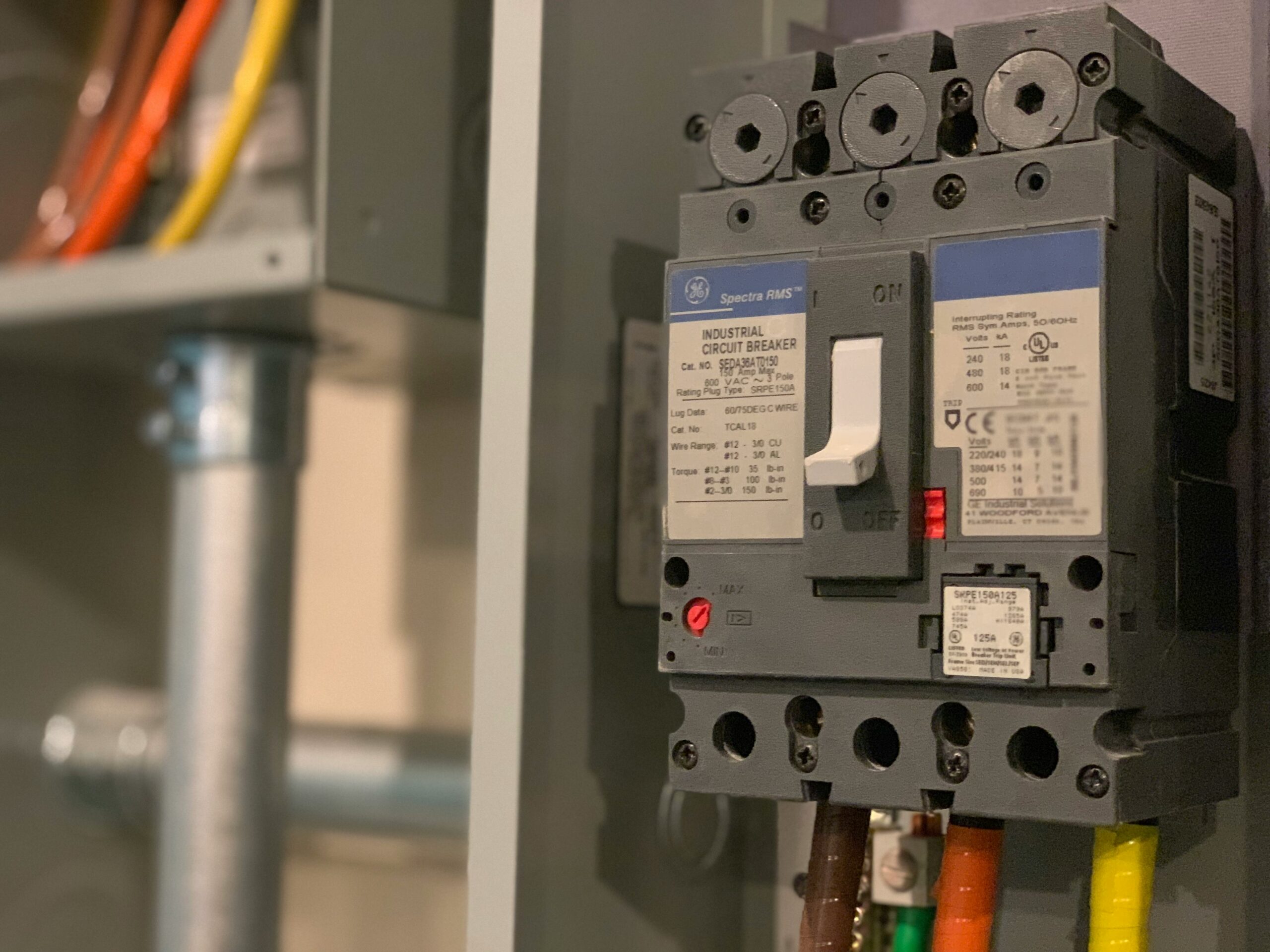
If your circuit breaker keeps tripping, it’s easy to assume the breaker itself is bad. Sometimes that happens, but it’s usually not the first thing to blame. In a lot of homes, a tripping breaker is actually doing exactly what it’s supposed to do: shutting power off when it detects an overload, short circuit, arc fault, or ground fault that could turn into a bigger safety problem. Electrical failures and malfunctions are tied to a meaningful share of home fires, which is why repeated breaker trips should never be ignored.
Here’s the thing: a breaker that trips once in a while after you plug in too many things is one problem. A breaker that trips often, or seems to trip with nothing on, usually points to something deeper in the circuit.
What a Tripping Breaker Is Actually Telling You
A circuit breaker is a safety device. Its job is to stop electricity when the wiring or connected devices are pulling more current than the circuit can safely handle, or when it senses a dangerous fault condition. That means the trip itself is not the problem. It’s the warning sign.
That’s why replacing the breaker without finding the cause can be a mistake. You might restore power for a little while, but the underlying issue could still be there in the wiring, outlet, appliance, or panel.
Frequent Tripped Breaker Causes
If your breakers are tripping frequently, there are a few likely culprits. They range from common causes with easy fixes to more complex issues that need professional attention.
Overloaded circuits
This is still the most common issue in many homes. An overloaded circuit happens when too many lights, devices, or appliances are running on the same branch circuit at the same time. Kitchens, bathrooms, laundry areas, basements, and older living rooms tend to be common trouble spots.
Some warning signs of overloaded electrical circuit problems include:
- Lights dimming: Especially when a microwave, vacuum, toaster, blow dryer, or space heater turns on.
- Warm outlets or switches: Heat is a red flag and should not be brushed off.
- Frequent breaker trips: Repeated shutdowns often mean the circuit is carrying more than it should.
- Buzzing sounds: A panel, outlet, or switch should not sound active.
- Burning smell or discoloration: These can point to overheating or damaged wiring.
Those warning signs line up with common electrical overload symptoms highlighted by electrical safety organizations.
Short circuits
A short circuit occurs when electricity takes an unintended path, often because damaged insulation, loose wiring, or a failed device allows hot wires to contact neutral or ground. When that happens, the breaker trips fast because the current rises too sharply.
This is one reason a breaker can seem to trip “for no reason.” It may not be about how many things are plugged in. It may be about a damaged connection hidden behind a wall, inside an outlet box, or in an appliance cord.
Ground faults and moisture issues
Ground faults are especially common in kitchens, bathrooms, garages, unfinished basements, and outdoor circuits. Water, condensation, or damaged insulation can let electricity leak where it shouldn’t. Ground-fault protection exists for exactly this reason.
In a place like Schenectady, where homes deal with wet seasons, snow, basement humidity, and older housing stock, moisture-related electrical issues are not something to shrug off.
Arc-fault protection doing its job
If a circuit breaker keeps tripping with nothing on, the issue may still be on that circuit. Hardwired devices, hidden loads, loose splices, damaged cords, or arcing in the wiring can all trigger modern protective breakers. AFCI breakers are designed to detect dangerous arc conditions that older breakers would miss.
That means “nothing on” doesn’t always mean “nothing happening.”
Why a Breaker Trips With Nothing On
This is one of the most frustrating situations for homeowners, and it’s also one of the most misunderstood.
A breaker may trip even when no lamps, TVs, or chargers appear to be running because the circuit could still include:
- Hardwired equipment: Bathroom fans, smoke alarms, dishwashers, disposals, sump pumps, garage door openers, and furnace components.
- Hidden wiring problems: Loose wire connections, damaged insulation, or a failing receptacle behind furniture.
- Shared circuit loads: Parts of the house you didn’t realize were tied together.
- Fault-sensitive breakers: AFCI or GFCI breakers react to arc and leakage conditions, not just heavy electrical use.
So if your circuit breaker keeps tripping with nothing on, the answer is rarely “just ignore it.” It usually means the circuit needs to be traced and tested.
When the Problem Is Bigger Than One Breaker
Sometimes the issue isn’t just a single overloaded circuit. It’s the whole electrical system struggling to keep up with how the home is used today.
Older homes were often built with 100-amp service, and that may have been enough decades ago. But once you add modern kitchens, multiple bathrooms, home offices, EV chargers, hot tubs, finished basements, or newer HVAC equipment, the margin gets a lot tighter.
In situations with older homes, it’s important to consider the pros and cons of a 200-amp service upgrade vs. a 100-amp existing system.
A 100-amp panel is not automatically unsafe. Plenty of homes still function well with one. But if you’re routinely juggling loads, running out of breaker space, planning a renovation, or seeing repeated overload symptoms, a 200-amp service upgrade may be worth looking into as part of the bigger picture.
Signs You May Need More Than a Repair
A single repair might solve the issue. But homeowners should think beyond the breaker itself when they notice patterns like these:
- Repeated trips on multiple circuits: That can point to broader electrical strain.
- Too many power strips or extension cords: Often a sign that the home does not have enough properly distributed circuits.
- An older panel with little room left: Limited capacity makes future upgrades harder.
- Big appliance additions: New range, EV charger, hot tub, or ductless system can change the home’s load profile.
- Flickering or inconsistent power: Especially when major equipment starts up.
When several of those show up together, it’s smart to move from spot-fixing into a bigger safety conversation.
Why a Home Electrical Safety Audit Can Help
What most homeowners don’t realize is that you do not have to wait for a total failure to get answers. A home electrical audit can help identify overloaded circuits, aging wiring, panel limitations, grounding issues, and safety hazards before they become emergencies.
That can be especially useful in older neighborhoods around Schenectady, where homes may have seen additions, partial remodels, or decades of electrical changes layered onto the original system.
A Schenectady electrical safety inspection can also help you figure out whether the problem is:
- a single bad device
- a wiring fault
- a panel issue
- or a service capacity problem
What to Do Next
If a breaker trips once, reset it and pay attention to what was running at the time. But if it keeps happening, or if you notice heat, buzzing, burning smells, dimming lights, or a breaker that trips with nothing obvious on, it’s time to get it checked out. For homeowners in the Capital Region, Grasshopper Heating, Cooling, Plumbing & Electric can help assess whether you’re dealing with an overloaded circuit, a hidden fault, or a bigger panel issue. Give us a call at 518-216-0051 or schedule an appointment online to get started.