Rated: 4.9 / 5 based on 2,600+ reviews. Read our reviews

Available 24/7! Call now to schedule! (518) 240-9467

The Historic Homeowner’s Guide to Safe Rewiring

Owning a historic home in Albany means living with craftsmanship that has stood the test of time. From original trim to solid plaster walls, these homes offer a kind of character that newer builds simply cannot match. But behind those walls, the electrical system may not be aging as gracefully as the architecture. 

Many of these properties were built long before central air systems, high-efficiency furnaces, and modern appliances became standard. Electrical demand has changed dramatically over the past century. What once powered a few lights now handles HVAC systems, kitchen equipment, and home offices running simultaneously. Over time, that strain can expose weaknesses in outdated wiring.

Let’s take a closer look at what to watch for and how to approach updates in a thoughtful, preservation-friendly way.

Why Older Wiring Systems Deserve a Second Look

Electrical systems naturally degrade over time. Insulation dries out, connections loosen, and panels may no longer meet today’s safety expectations. In many Albany neighborhoods, it’s common to find homes with 70-100 year old wiring. Even if everything appears functional, aging components can quietly increase fire risk.

Common findings during historic home rewiring projects in Albany include:

  • Knob and tube wiring: An early system without grounding protection.
  • Cloth-covered wire: Insulation that becomes brittle and cracks with age.
  • Ungrounded outlets: Two-prong receptacles that lack modern safeguards.
  • Aluminum branch wiring: Mid-century wiring associated with overheating risks.


An electrical safety audit helps identify which of these conditions are present and whether they require immediate action. It also supports better fire hazard prevention by catching small issues before they become larger problems. 

Knob and Tube Replacement Without Losing Character

Knob and tube wiring was widely installed from the late 1800s through the 1930s. It used ceramic knobs and tubes to route individual wires through framing members. While innovative for its time, it was never designed for grounded circuits or the heavy loads of modern homes. In Albany’s historic districts, it is still fairly common.

As insulation deteriorates and modifications accumulate over decades, overheating risks increase. Insurance carriers sometimes require knob and tube replacement before issuing or renewing policies. Replacing it improves safety and brings your system closer to residential electrical code compliance standards outlined by the National Electrical Code.

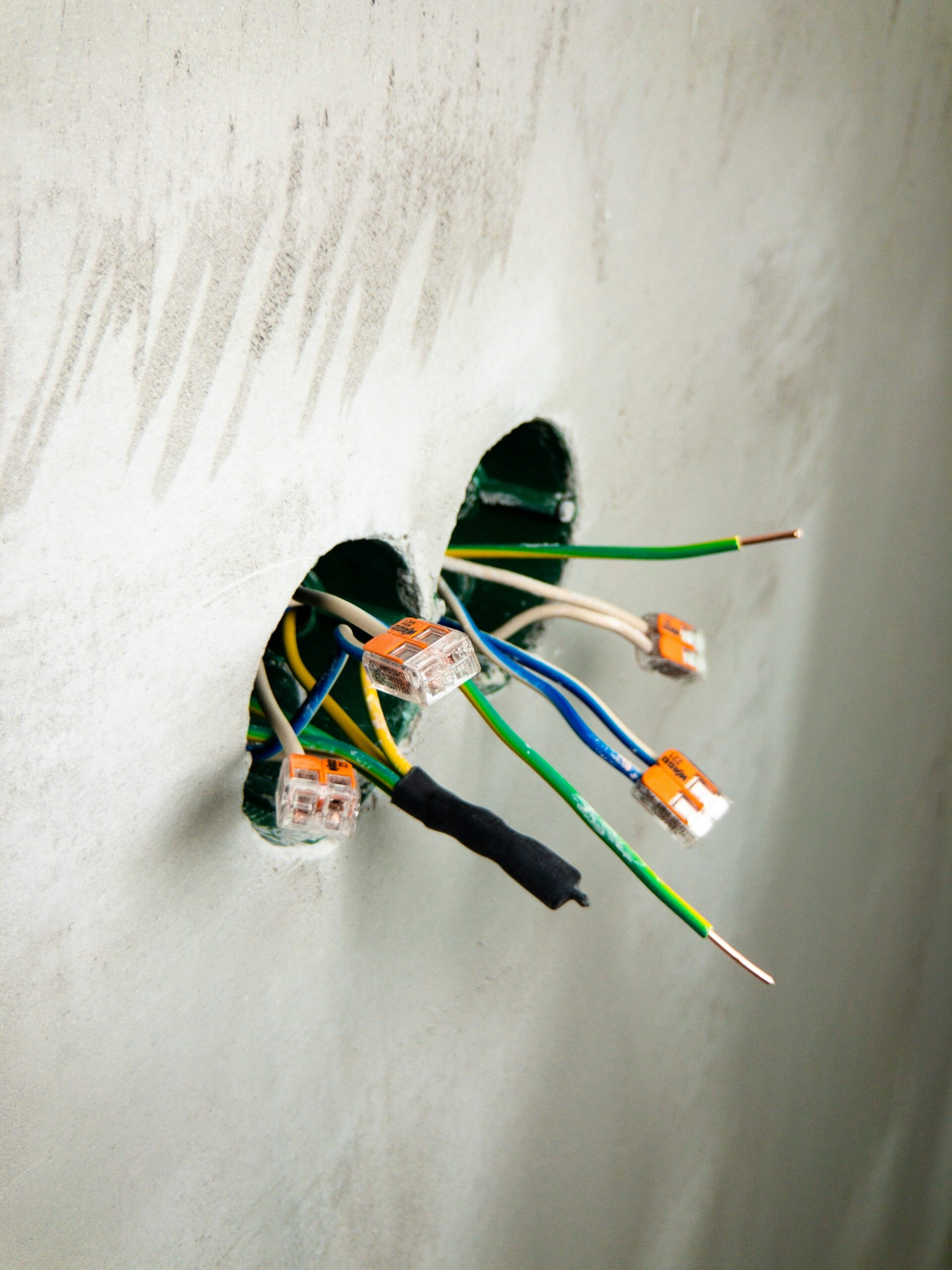
The good news is that replacement does not always require major demolition. Skilled electricians can often run new wiring through strategic access points to preserve plaster and original finishes. Updates can happen behind the scenes while your home’s character remains intact.

Aluminum Wiring Hazards in Mid-Century Homes

If your home was built between the mid-1960s and early 1970s, aluminum branch wiring may be present. At the time, aluminum was used as a cost-effective substitute for copper. The challenge is that aluminum expands and contracts more significantly, which can loosen connections over time. Loose connections generate heat, and heat increases fire risk.

Aluminum wiring hazards often present subtle warning signs. You might notice flickering lights or breakers that trip unexpectedly. In some cases, outlet covers may feel warm to the touch. These are signals that an inspection is warranted.

Common indicators include:

  • Warm switch plates: Heat buildup behind outlets or switches.
  • Flickering lights: Unstable or loose electrical connections.
  • Burning odor: A serious sign that immediate evaluation is needed.


Not every aluminum-wired home requires complete rewiring. Approved connectors and remediation methods can significantly reduce risk. An electrical safety audit provides clarity on the safest path forward.

Ungrounded Outlets and Growing Electrical Demand

Two-prong outlets remain common in historic properties. While they may function normally, they do not provide a grounding path to protect people and sensitive electronics. With today’s reliance on surge protectors and advanced appliances, grounding plays a more critical role than ever before. Simply using plug adapters does not create true protection.

Upgrading ungrounded outlets may involve installing new grounded circuits or adding GFCI protection where allowed. These improvements are often addressed gradually during renovations. In many Albany historic home rewiring projects, outlet upgrades are completed room by room to spread out costs and minimize disruption.

Cloth-Covered Wire and Aging Insulation

Cloth-covered wiring was once the standard in residential construction. Over decades, exposure to heat and air causes the insulation to dry and crack. When that happens, copper conductors may become exposed inside walls or junction boxes. The risk of short circuits and overheating increases as insulation continues to deteriorate.

Selective replacement of the most compromised circuits can often improve safety without requiring a full rewire. Prioritizing high-demand areas such as kitchens or utility spaces is common. In some cases, upgrades align naturally with broader improvements like energy-efficient updates, which may place additional demand on the electrical system.

A detailed inspection ensures updates are targeted and practical rather than excessive.

Residential Electrical Code Compliance in Historic Homes

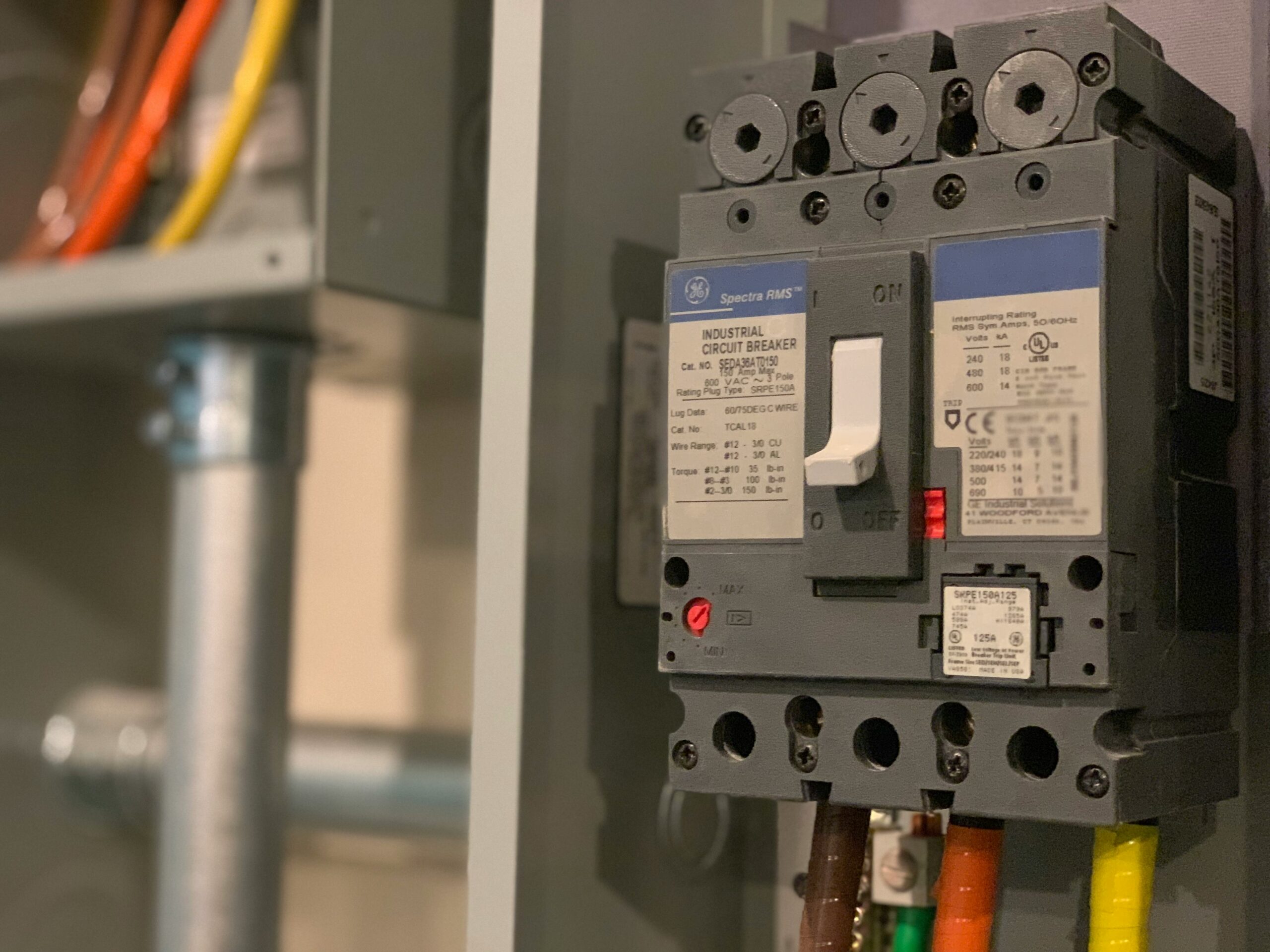
One concern many homeowners share is whether updating wiring will change the look of their home. In most cases, residential electrical code compliance focuses on hidden components rather than visible features. Grounded circuits, properly sized breakers, and protective devices are installed within panels and walls. The architectural charm remains untouched.

Modern standards typically require:

  • Grounded circuits: Reduce shock risk and protect appliances.
  • Correct breaker sizing: Prevent overloaded wiring.
  • GFCI and AFCI protection: Add safeguards in required locations.
  • Secure junction boxes: Minimize overheating hazards.


In a city known for its historic properties, electricians are accustomed to balancing preservation with safety. Planning updates carefully ensures both goals are achieved.

When homeowners also consider comfort improvements such as indoor air quality improvements, evaluating electrical capacity at the same time creates a smoother upgrade process.

The Value of an Electrical Safety Audit

An electrical safety audit provides a comprehensive look at your panel, grounding, load capacity, and wiring condition. For homes approaching or exceeding a century in age, this kind of evaluation offers clarity and direction. Small issues often signal larger system limitations that are not obvious during daily use. Identifying them early supports better fire hazard prevention and long-term planning.

Historic home rewiring projects in Albany rarely happen all at once. Many homeowners phase improvements over time, addressing higher-risk circuits first. That strategic approach protects safety while respecting budget and preservation goals.

When to Bring in a Pro

If you’re unsure about the condition of your wiring, having a professional assessment can provide peace of mind. Electrical systems are not always predictable in older homes, and subtle warning signs can indicate larger concerns. Understanding your home’s capacity helps you plan responsibly for future upgrades.

If you are in the Albany area and evaluating system improvements, Grasshopper Heating & Cooling can coordinate broader home system planning alongside mechanical upgrades. You can reach us at (518) 241-5929 or schedule an appointment online to discuss what makes sense for your property.

Historic Home Rewiring FAQs

Is knob and tube wiring illegal in Albany NY?

Knob and tube wiring is not automatically illegal. However, it does not meet modern residential electrical code compliance standards, and some insurers may require replacement.

How do I know if my home has aluminum wiring?

Homes built between 1965 and 1973 are most likely to contain aluminum branch wiring. A licensed electrician can confirm through inspection at the panel or outlets.

Can ungrounded outlets be upgraded without rewiring the entire house?

In some cases, GFCI protection can improve safety. Installing properly grounded circuits remains the most comprehensive long-term solution.

Does rewiring always require opening walls?

Not necessarily. Experienced electricians use targeted access methods to limit disruption. Minor patching is common, but widespread demolition is rarely required.

How New York Homeowners Can Lower Their Electric Bill

With rising energy costs across New York, many homeowners are feeling the pinch when their electric bills arrive each month. From hot, humid summers to long heating seasons, energy use can add up quickly, especially in older homes. The good news? There are several proven ways to reduce your electric bill without sacrificing comfort.

At Grasshopper Heating, Cooling, Plumbing & Electrical, we help New York homeowners improve efficiency, cut waste, and take control of their energy costs year-round. Here’s how you can start lowering your electric bill today.

Upgrade to Energy-Efficient HVAC Equipment

Heating and cooling account for a significant portion of household energy use. If your HVAC system is more than 10–15 years old, it’s likely costing you far more than necessary to operate.

Modern high-efficiency heat pumps and air conditioners use advanced technology to deliver consistent comfort while consuming less electricity. Many New York homeowners are also eligible for state and utility rebates when upgrading to energy-efficient systems, which can significantly offset upfront costs.

A professional system evaluation from Grasshopper can identify whether an upgrade could deliver meaningful monthly savings.

Use a Smart Thermostat Strategically

A programmable or smart thermostat is one of the easiest ways to reduce unnecessary energy use. These devices automatically adjust temperatures based on your schedule, preventing your system from running when no one is home.

In New York’s climate, even small temperature adjustments can lead to noticeable savings. Lowering your thermostat a few degrees in winter or raising it slightly in summer can reduce energy use without impacting comfort. Smart thermostats can also provide usage insights, helping homeowners spot inefficiencies over time.

Seal Air Leaks and Improve Insulation

Many New York homes, especially older ones, lose conditioned air through gaps, cracks, and poorly insulated spaces. Drafty windows, unsealed doors, and leaky ductwork force your HVAC system to work harder, driving up electric bills.

Improving insulation and sealing air leaks helps keep warm air inside during winter and cool air inside during summer. Duct sealing, in particular, can dramatically improve HVAC efficiency and indoor comfort.

Grasshopper’s technicians can help identify hidden energy losses and recommend practical solutions.

Replace Inefficient Lighting and Appliances

Switching to LED lighting can reduce lighting energy use by up to 75% compared to traditional incandescent bulbs. LEDs also last much longer, lowering replacement costs over time.

When it’s time to replace appliances, look for ENERGY STAR®–rated models. High-efficiency refrigerators, washers, dryers, and dishwashers use less electricity while delivering the same, or better, performance.

These incremental upgrades may seem small, but together they can significantly reduce monthly electric costs.

Schedule Regular HVAC Maintenance

Routine HVAC maintenance plays a major role in energy efficiency. Dirty filters, worn components, and neglected systems all lead to higher energy use.

Seasonal tune-ups ensure your system runs at peak efficiency, improves airflow, and prevents small issues from becoming expensive repairs. Regular maintenance also extends the life of your equipment, protecting your long-term investment.

For New York homeowners, staying ahead of winter and summer demand is key to avoiding energy waste.

Use Electricity Smarter During Peak Hours

Many utility providers in New York charge higher rates during peak usage times. Running large appliances during off-peak hours, such as early morning or late evening, can reduce your overall electric bill.

Simple habits like:

  • Running dishwashers and laundry at night

  • Avoiding heavy appliance use during heat waves

  • Unplugging electronics when not in use

can help lower energy consumption without major lifestyle changes.

Consider Electrical Panel and Home Efficiency Upgrades

An outdated electrical panel may not efficiently support modern energy demands. Upgrading your panel can improve safety, reduce energy strain, and prepare your home for future upgrades like electric vehicle chargers or high-efficiency HVAC systems.

Whole-home efficiency improvements, including energy audits, can provide a clear roadmap for cutting electric costs long-term.

Partner with a Trusted Local Expert

Lowering your electric bill isn’t about one quick fix; it’s about making smart, strategic improvements that work together. Grasshopper Heating, Cooling, Plumbing & Electrical understands the unique challenges New York homeowners face and offers customized solutions to maximize efficiency and comfort.

From HVAC upgrades and maintenance to electrical improvements, our team is here to help you save energy and money year-round.

Contact Grasshopper today to schedule a home efficiency consultation and start taking control of your electric bill.

How Grasshopper Helps You Maximize New York State’s Clean Energy Rebates for Heat Pumps

If you’re considering installing a heat pump in your New York home, now is an exciting time, but understanding all the rebates, tax credits, and incentives can feel overwhelming. Between state programs, utility bonuses, and federal tax credits, there are multiple ways to save on clean, energy-efficient heating and cooling. The challenge for many homeowners is knowing what’s available and how to access it.

At Grasshopper Heating, Cooling, Plumbing & Electrical, we help New Yorkers cut through the confusion and make the most of every available rebate and incentive when upgrading to a heat pump system. This guide breaks it down in clear, friendly terms so you understand what’s available, how it works, and how Grasshopper supports you through the process.

New York’s Clean Heat Rebates: What’s Available

New York State, through NYSERDA and utility partners, offers robust heat pump incentives as part of its Clean Heat initiative. These programs aim to reduce energy use, lower emissions, and help homeowners transition from fossil fuels to efficient electric heating systems.

NYS Clean Heat Rebates

The Clean Heat program offers rebates for qualifying heat pump installations. While exact amounts can vary by utility territory and system size, eligible homeowners can receive rebates on air-source and ground-source (geothermal) heat pumps when a participating contractor installs the system. 

Utility Bonus Incentives

Utilities such as National Grid and NYSEG/RG&E offer bonus incentives on top of Clean Heat rebates. For example, National Grid electric customers can receive incentives for:

  • Central air-source and mini-split heat pumps

  • Ground-source heat pumps

  • Heat pump water heaters
    These bonuses can stack with state rebates, making savings significant.

Federal Incentives and Tax Credits

In addition to state and utility rebates, homeowners can take advantage of federal support under the Inflation Reduction Act. These typically include:

Together, these incentives can dramatically reduce both the upfront cost and long-term ownership expenses of a heat pump system.

Why Working with a Qualified Contractor Matters

One of the key requirements for many rebate programs is that your heat pump must be installed by a qualified contractor participating in the Clean Heat program. That’s where Grasshopper’s expertise really pays off.

Grasshopper Ensures Eligibility

We assess your home, recommend heat pump systems that meet program eligibility, and ensure installations follow requirements to qualify for rebates. Many rebates are only available if:

  • The installed system is ENERGY STAR® certified

  • The contractor submits rebate applications correctly

  • You use participating or certified installers like Grasshopper to complete the job

We Handle the Paperwork

Rebate applications can involve a lot of forms, documentation, and follow-up. Grasshopper handles:

  • Filling out and submitting rebate applications

  • Ensuring timely processing

  • Coordinating with NYSERDA and utility portals

This helps reduce hassles and improves your chances of receiving the maximum rebate value.

Stacking Savings: More Than One Way to Save

New York allows a strategy called “stacking” savings, meaning you can combine multiple incentives to maximize total benefits. This can include:

  • State rebates through Clean Heat

  • Utility bonus incentives

  • Federal tax credits

  • Low-interest financing for clean energy projects

For example, a heat pump installed by an eligible contractor might receive:

  • A rebate from the Clean Heat program

  • A bonus incentive from your utility provider

  • A federal tax credit on your next tax return

By stacking these, many homeowners reduce their overall out-of-pocket costs significantly.

Grasshopper’s Step-by-Step Support

Making the most of rebates and incentives doesn’t have to be confusing. Here’s how Grasshopper guides you:

  1. Energy Assessment – We start with a home evaluation to determine the best heat pump options and potential rebates.

  2. System Design – Our team sizes and selects heat pump equipment that qualifies for both state and local incentives.

  3. Installation – Certified technicians install your system according to program requirements.

  4. Rebate Submission – We handle documentation and submission tasks so you don’t have to.

  5. Follow-Up – We help track your rebate status and troubleshoot any questions from program administrators.

This streamlined process helps you focus on comfort and savings, not paperwork.

Act Now—Rebate Programs Are Evolving

Rebate and incentive programs can change over time as funding levels shift and new legislation takes effect. Staying informed and acting early helps ensure you lock in the best available benefits. Grasshopper keeps up with the latest updates, so you don’t have to.

Your Next Step Toward Heat Pump Savings

Installing a heat pump is one of the most impactful home upgrades you can make for comfort, efficiency, and lower energy bills. With New York’s clean energy rebates through the Clean Heat program, utility bonuses, and federal tax credits, it’s also one of the most cost-effective.

Contact Grasshopper Heating, Cooling, Plumbing & Electrical today to explore rebate opportunities in your area and schedule a free consultation. We’ll help you understand your options and maximize your savings every step of the way.

How an Energy Audit Can Reveal Hidden Costs in Your HVAC System

When was the last time you thought about your HVAC system? For most homeowners, the answer is probably, “only when it breaks down.” But what if the real problem lies with inefficiencies you can’t see? Many Clifton Park, NY, homeowners unknowingly overspend on heating and cooling due to hidden issues like air leaks, poor insulation, or outdated HVAC components. 

This is where an energy audit can make all the difference. Energy audits uncover hidden inefficiencies that cost you money and compromise your home’s comfort. By identifying precise problem areas, you can take targeted steps to save energy, lower your utility bills, and create a more comfortable environment. 

What Is a Comprehensive Energy Audit?

An energy audit is a detailed evaluation of your home’s energy efficiency. This process involves several advanced tests and inspections to pinpoint inefficiencies. Here’s what a typical energy audit includes:

1. Blower Door Test

This test identifies air leaks by temporarily sealing your doors and windows before depressurizing the home. Common problem areas include windows, doors, attic hatches, and HVAC penetrations. 

2. Duct Leakage Testing

Hidden duct leaks can result in significant energy loss. This testing pressurizes your HVAC system to measure leaks and identify areas where treated air is escaping. 

3. Thermal Imaging (Infrared Scan) 

Thermal imaging reveals gaps in insulation and heat loss areas. By highlighting where energy escapes, it focuses attention on areas that need proper insulation. 

4. Combustion Safety Check

This essential check evaluates the safe operation of gas-powered appliances like furnaces and water heaters. Issues such as carbon monoxide leaks or improper venting are identified for immediate correction. 

5. HVAC System Evaluation

The audit also examines key HVAC system components, including their age, SEER rating, maintenance status, and overall condition. 

By the end of an energy audit, you’ll have a clear report outlining areas of concern and actionable recommendations to address them. 

Hidden Costs Identified During an Audit 

Minor inefficiencies in your home can lead to major costs over time. Here are some common issues energy audits uncover:

  • Air Leaks: Gaps around doors, windows, and attic hatches allow conditioned air to escape and outside air to enter. 
  • Duct Inefficiencies: Duct leaks can waste up to 30% of HVAC system output, leading to higher energy bills. 
  • Under-Insulated Areas: Crawlspaces, basements, and attics without enough insulation increase your HVAC system’s workload. 
  • Poor Airflow: Clogged filters, blocked vents, and dirty coils force your HVAC system to work harder. 
  • Faulty System Components: Worn-out motors, low refrigerant levels, or old compressors can lead to inefficient operation. 
  • Unsafe Combustion: Carbon monoxide risks, flame rollouts, or draft-induced backflow jeopardize your family’s safety. 

The good news? Addressing these issues can result in significant savings and peace of mind. 

Energy Audit + Fixes = Major Household Savings 

An energy audit is just the first step. By addressing the identified issues, Clifton Park residents can enjoy the following: 

  • Air Sealing: Reduce energy use by up to 20%. 
  • Duct Sealing: Gain 20–30% more efficiency. 
  • Insulation Upgrades: Improve comfort and lower costs by 10–15%. 
  • HVAC Maintenance or Replacement: Ensure reliable performance and even greater energy efficiency. 

Better yet, these fixes come with a quick return on investment—typically paying for themselves within 6 to 18 months. 

Step-by-Step Process with Grasshopper Heating & Cooling 

When you schedule an energy audit with Grasshopper Heating & Cooling, here’s what you can expect:

  1. Schedule Your Audit 

We’ll select a convenient date and time for your audit. 

  1. On-Site Testing 

Our technicians bring industry-leading equipment, including blower doors and thermal imaging devices, to evaluate your home. 

  1. Comprehensive Report & Walkthrough 

You’ll receive a detailed report explaining our findings and recommended fixes. 

  1. Customized Proposal 

We’ll prioritize solutions based on your budget and comfort preferences. 

  1. Implementation 

Our team handles everything, from air sealing and insulation upgrades to HVAC adjustments and duct sealing. 

  1. Post-Audit Follow-Up 

Want to measure the impact of the improvements? We offer optional retesting to verify the results. 

Start Saving with Grasshopper Heating & Cooling 

An energy audit is an investment in your home’s future. It exposes inefficiencies, equips you with actionable solutions, and puts real money back in your pocket.

At Grasshopper Heating & Cooling, we’re Clifton Park’s trusted experts, helping homeowners enjoy lower bills and greater comfort with professional energy audits. 

Book your professional HVAC energy audit today and start saving tomorrow!

Schedule Service

This field is for validation purposes and should be left unchanged.

* By clicking “Submit”, I am providing express written consent to receive autodialed and pre-recorded calls, texts, and SMS/MMS with marketing communications from Grasshopper Heating and Cooling regarding home services at the phone number provided above, even if the number is on a corporate, state, or national Do Not Call list. Consent is not a condition to purchase services or products.