Rated: 4.9 / 5 based on 2,600+ reviews. Read our reviews

Available 24/7! Call now to schedule! (518) 240-9467

Why More Upstate NY Homeowners Are Choosing Ductless Heating & Cooling

If you’ve been dealing with high heating bills, cold spots in certain rooms, or an aging system that struggles through an Upstate New York winter, you’re not alone. Across the region, homeowners are taking a closer look at ductless mini-splits, and many are making the switch for good reason. These systems offer a combination of year-round comfort, genuine cold-weather performance, and access to significant rebates, making them one of the most practical upgrades available to homeowners right now.

Here’s a closer look at what’s driving that shift, and why it might make sense for your home too.

What Is a Ductless Mini-Split System?

A ductless mini-split is a heating and cooling system that operates without ductwork. It consists of an outdoor compressor unit and one or more indoor air handlers that mount directly in the rooms or zones you want to condition. The two units are connected by a small conduit that runs through the wall, making installation far less invasive than traditional forced-air systems.

Unlike a furnace that burns fuel to generate heat, a mini-split heat pump moves heat from one place to another. In the summer, it pulls heat out of your home and releases it outdoors. In the winter, that process reverses, pulling heat from the outdoor air and bringing it inside. Because they move heat rather than create it, these systems are significantly more efficient than electric-resistance heat or even many oil- and propane-based setups.

Do Ductless Mini-Splits Really Work in Upstate NY Winters?

Ductless mini-splits have come a long way, and while older heat pumps struggled in extreme cold, modern cold-climate systems are built specifically for regions like Upstate New York. Today’s units are designed to operate reliably below freezing, maintaining strong performance even as temperatures drop into the single digits, which is why questions around whether mini-splits work in cold weather have become much less about capability and more about proper system selection.

Many cold-climate mini-splits can run efficiently down to -5°F or lower, with some models performing even in subzero conditions. When properly sized and installed, they can serve as a primary heating source for many homes across the region, making them a viable option even in harsh winter climates.

The Benefits of Ductless Mini-Splits for Upstate NY Homeowners

There are several reasons these systems have gained so much traction in the region. Beyond just working in the cold, they solve problems that traditional heating and cooling systems simply cannot address.

  • Zoned comfort control: Each indoor air handler operates independently, so you can heat only the rooms you’re actually using instead of wasting energy on empty spaces. This is a major advantage for multi-story homes or houses with additions that never quite reach the right temperature.
  • Elimination of cold spots: Forced-air systems depend on ductwork that loses efficiency as it runs through unconditioned spaces like attics and crawlspaces. Mini-splits deliver conditioned air directly to each room, so there are no more cold corners in the bedroom or a living room that takes forever to warm up.
  • Year-round use as one system: Because mini-splits provide both heating and cooling from the same equipment, you’re not maintaining separate systems for each season. One system handles January and July.
  • No ductwork required: Homes without existing ductwork, including older Upstate properties heated by radiators or baseboard electric, can add modern comfort without a costly and disruptive duct installation.
  • Quieter operation: Mini-splits are significantly quieter than forced-air systems, both the indoor and outdoor units, which matters a lot during long heating seasons when the system runs consistently.
  • Energy efficiency that cuts heating bills: Because these systems move heat rather than generate it, they use less energy to produce the same amount of warmth. For homeowners currently heating with oil, propane, or electric baseboard heat, the savings can be substantial.

NYSERDA Rebates and Clean Heat Incentives Make It More Affordable

One of the biggest barriers to upgrading your heating system is the upfront cost, but homeowners in Upstate New York have access to incentives that can significantly reduce the out-of-pocket cost. Programs like NYS Clean Heat offer rebates on qualifying heat pump systems, and those incentives can be combined with federal tax credits under the Inflation Reduction Act.

In 2025, homeowners can claim up to 30% of installation costs, capped at $2,000 for heat pump systems. Additional incentives may be available depending on your utility provider and whether you are replacing an existing heating system. In many cases, the contractor handles the rebate application process, which simplifies things for the homeowner.

When combined, these programs can make higher-efficiency systems far more affordable than they appear upfront, especially when factoring in long-term energy savings.

Who Is a Good Candidate for a Ductless System?

Ductless mini-splits aren’t the right fit for every single situation, but they’re a strong option for a wide range of Upstate NY homes. You’re likely a good candidate if any of the following apply to you.

  • Your home has no existing ductwork: Older homes heated by hot-water baseboard, steam radiators, or electric-resistance heat can add modern comfort without the expense of building out a full duct system.
  • You have a room that’s always too hot or too cold: A single-zone mini-split is one of the most effective and cost-efficient ways to address a problem room, whether it’s a sunroom addition, a finished basement, or a top-floor bedroom.
  • You’re replacing aging equipment: If your furnace, boiler, or central AC is approaching the end of its lifespan, a mini-split replacement gives you an opportunity to upgrade efficiency as well.
  • You’re heating with oil or propane: With fuel prices that fluctuate significantly from season to season, switching to an electric heat pump system can provide more predictable and often lower heating costs.
  • You want to reduce your carbon footprint: As New York’s electric grid gets cleaner over time, running an all-electric heating and cooling system becomes an increasingly low-emission choice.

What to Look for in a Cold-Climate Mini-Split Installation

Not all mini-splits perform the same in Upstate winters, and installation quality matters just as much as the equipment itself. A few key factors determine whether a system performs reliably or struggles in cold weather:

  • Cold-climate rating: Make sure the system is designed for low temperatures, not a standard unit that loses capacity below freezing
  • Proper sizing: A Manual J load calculation ensures the system can handle your home without short-cycling or falling behind
  • Installation quality: Correct refrigerant charge, proper mounting, and experienced setup all directly impact performance
  • Drain pan protection: In colder areas, a drain pan heater helps prevent ice buildup and long-term damage

Getting these details right is what separates a system that works through winter from one that doesn’t. Grasshopper Heating & Cooling can evaluate your home and determine whether a ductless system is the right fit and how it should be configured.

The Bottom Line for Upstate NY Homeowners

Ductless mini-splits have moved well past the “emerging technology” phase. They’re a proven, mature solution with a strong track record in cold northern climates, and the combination of NYSERDA rebates, federal tax credits, and long-term energy savings makes the financial case more compelling than ever. Whether you’re trying to solve a comfort problem, lower high heating bills, or replace aging equipment, a properly installed cold-climate mini-split deserves a serious look.

Grasshopper Heating & Cooling specializes in ductless heating and cooling installations throughout the Upstate NY region. Our team can walk you through the right system for your home, handle the rebate paperwork, and make sure the installation is done to last. Contact Grasshopper today to get started!

Frequently Asked Questions

Can a ductless mini-split be my only heat source in Upstate NY? 

Yes, in most cases. A properly sized cold-climate mini-split system can serve as the primary heating source for an Upstate NY home. Modern cold-climate units operate efficiently at temperatures well below zero, and when sized correctly by a qualified professional, they handle the vast majority of heating needs throughout the winter. Some homeowners with older or less insulated homes choose to keep a backup heating source for extreme cold events, but for many homes, the mini-split alone is sufficient.

How much can I save with NYSERDA rebates on a mini-split installation? 

The savings depend on the specific program, your utility provider, and your equipment. Through the NYS Clean Heat program, rebates are available to homeowners who install qualifying heat pump systems, and these can be combined with federal tax credits of up to 30% of installed cost (capped at $2,000 for heat pumps). The best way to get an accurate picture of what’s available right now is to work with a participating contractor who can walk you through current incentive levels before you commit.

Do mini-splits work when it’s below zero outside? 

Today’s cold-climate mini-splits are specifically engineered for northern climates and can operate in temperatures as low as -13°F or below, depending on the model. They do work harder as temperatures drop, and efficiency decreases slightly in extreme cold, but they continue to provide heat reliably. Choosing the right model for the climate is essential, which is why working with an experienced installer matters.

How long does a ductless mini-split installation typically take? 

For a single-zone system, installation usually takes one day. Multi-zone systems with several indoor air handlers can take one to two days depending on the complexity. Installation is far less disruptive than adding ductwork, since it only requires a small penetration through the wall for the refrigerant lines and electrical conduit.

Do I need to do anything special to maintain a mini-split during an Upstate winter?

Regular maintenance is straightforward. Keep the outdoor unit clear of snow and ice accumulation, clean or replace the filters on the indoor air handlers periodically, and schedule annual professional maintenance to check refrigerant levels and system performance. The outdoor unit has a built-in defrost cycle that handles frost buildup automatically, so you don’t need to intervene during normal winter operation.

What’s the difference between a standard mini-split and a cold-climate mini-split? 

Standard mini-splits are designed for moderate climates and may lose significant heating capacity or shut down entirely when outdoor temperatures fall below 20°F. Cold-climate mini-splits use advanced compressor technology and refrigerants engineered to extract heat efficiently from very cold air, maintaining strong performance at 5°F and below. For Upstate New York, a cold-climate rated system is essential, not optional.
Hybrid Heating: Can a Heat Pump and Boiler Work Together in a Cold Climate?

If you’ve been hearing more about heat pumps lately but you’re not ready to abandon your boiler, you’re not alone. Many homeowners across New York wrestle with the same question: Do you have to choose one or the other? The good news is that you don’t. A hybrid heating system, which pairs a heat pump with your existing boiler, gives you the efficiency of modern heat pump technology without sacrificing the reliable warmth your boiler provides when temperatures really drop.

Here’s what you need to know about how these systems work, why they make sense for New York’s climate, and how to take advantage of available rebates.

What Is a Hybrid (Dual Fuel) Heating System?

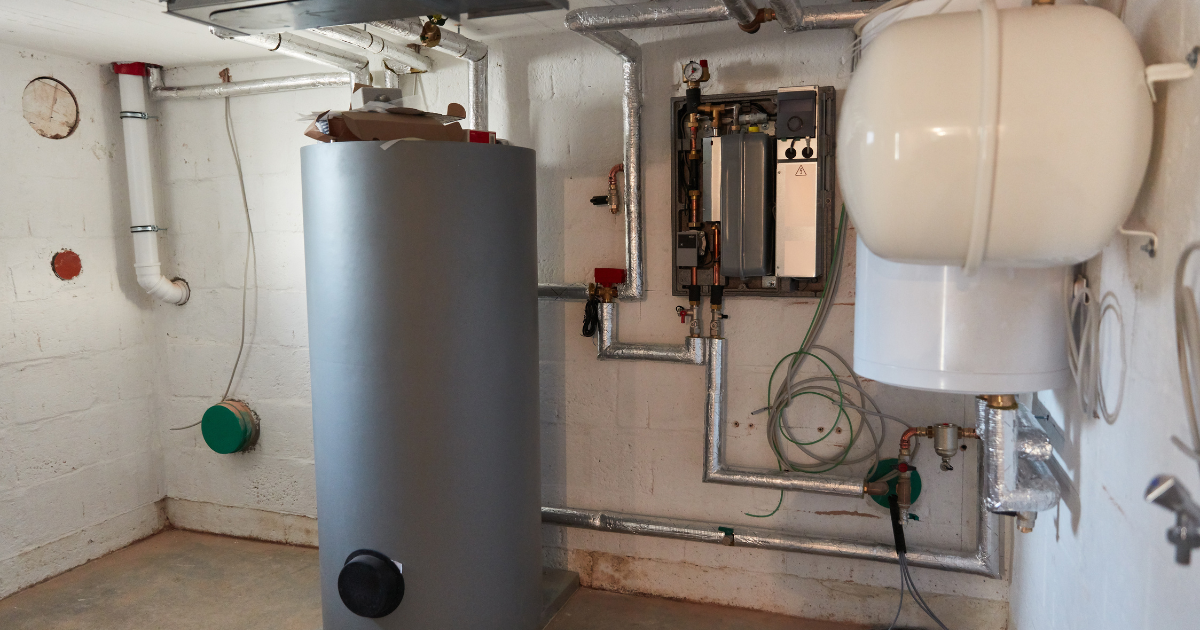
A dual-fuel heating system combines two heat sources into a single setup. In most residential configurations, an air-source or air-to-water heat pump handles the bulk of your heating load during mild-to-cold weather, while a gas or oil boiler kicks in as a backup during the coldest days of the year.

The system uses a controller or smart thermostat to automatically switch between the two heat sources based on outdoor temperature and energy cost. When the heat pump is operating efficiently, it operates on its own. When temperatures plunge below a set “balance point” and the heat pump would have to work too hard to keep up, the boiler takes over. The result is a system that uses the cheapest, most efficient source available at any given moment.

This approach differs from having two separate heating systems. A true hybrid setup integrates both components, so they communicate and cooperate rather than run independently.

How Do Air-to-Water Heat Pumps Work with a Boiler?

An air-to-water heat pump pulls heat from the outdoor air and transfers it into your home’s hydronic (water-based) heating system, making it a natural fit alongside a boiler. Because both systems use hot water, the heat pump can work directly within the same piping that feeds radiators, baseboards, or radiant floor systems. In day-to-day conditions, the heat pump handles most of the heating load, improving efficiency without requiring major changes to your existing setup.

Modern cold-climate heat pumps are designed to operate well below freezing, often down to around -5°F, but every home has a balance point, typically between 0°F and 25°F. Below that temperature, the boiler automatically takes over to maintain consistent heat. This hybrid approach allows each system to operate where it performs best, improving comfort while avoiding the inefficiencies of relying on a single system year-round.

Why a Hybrid System Makes Sense in New York

New York winters are genuinely cold, but they’re also variable. January in the Hudson Valley or Capital Region might mean a week of mild 35°F days followed by a stretch of single-digit lows. Running a boiler full-time through those mild stretches wastes fuel. Running a heat pump alone through a polar vortex is asking a lot of the equipment.

A hybrid heating setup handles both scenarios well. During the long shoulder seasons and mild winter days, the heat pump does the heavy lifting at a fraction of the cost of burning fuel. When temperatures fall sharply, the boiler ensures your home stays warm without any gaps in comfort.

For homeowners who heat with oil or propane, the efficiency argument is especially strong. If you’re paying for every gallon, the ability to offload the majority of your heating hours to an electric heat pump, which produces more heat energy than the electricity it consumes, can make a real dent in your annual energy bills.

If you’re also interested in cooling, learn how ductless mini-split integration can complement a hybrid heating setup for homes without existing ductwork.

What About Homes with Existing Ductwork?

Not every hybrid system uses an air-to-water heat pump. Homes with forced-air systems and a gas furnace can use an air-to-air heat pump alongside the furnace, with the furnace serving as the backup heat source. This type of hybrid HVAC installation is common in homes with existing ductwork and follows the same logic: the heat pump handles moderate temperatures efficiently, and the furnace takes over when conditions are extreme.

Choosing between an air-to-air and an air-to-water hybrid setup depends on your existing distribution system, fuel type, and long-term goals for the home. Explore how heat pumps compare to traditional forced-air systems to understand which configuration is the right starting point for your home.

NYS Clean Heat Rebates and the Federal Tax Credit

New York currently offers strong financial incentives for upgrading to a hybrid heating system. The NYS Clean Heat program provides rebates and financing options that can be combined with a federal tax credit through the Inflation Reduction Act. Depending on your utility provider and system type, rebates are available for homeowners who replace existing heating equipment with qualifying heat pump systems. In addition, a federal tax credit covers 30% of installation costs up to $2,000. Together, these incentives can significantly reduce upfront costs, making this a favorable time to upgrade.

To find the rebates available at your address, visit the NYS Clean Heat rebate finder at cleanheat.ny.gov and enter your home address.

Is a Hybrid System Right for Your Home?

Not every home is an ideal candidate, but many are. The following factors generally indicate that a hybrid setup is a good fit.

  • Oil or propane heat: Homeowners who heat with oil or propane tend to see the largest efficiency gains, since the cost per unit of heat from a heat pump is typically much lower than burning liquid fuel.
  • Existing hydronic system: If your home already has a boiler and hot-water distribution, adding an air-to-water heat pump is often cleaner and less disruptive than overhauling the distribution system.
  • Moderate to good insulation: A well-insulated home allows the heat pump to cover a larger portion of the heating load, maximizing savings. Older homes with poor insulation may need some weatherization work first.
  • Interest in reducing carbon footprint: Hybrid systems substantially reduce fossil fuel consumption even without eliminating it entirely, which is a meaningful step for homeowners who want to reduce emissions without a full all-electric conversion.

If you’re not sure where your home falls, understanding your current boiler setup is a useful first step before evaluating heat pump compatibility.

What Does the Installation Process Look Like?

A hybrid heating installation is more involved than replacing a single piece of equipment, but a qualified contractor can manage the process without major disruption to your home.

The general steps look like this.

  1. Load calculation: A contractor determines your home’s heating demand at various outdoor temperatures to size the heat pump correctly and identify your system’s balance point.
  2. Equipment selection: The heat pump is selected based on your distribution system, home size, and climate zone. Cold-climate-rated equipment is essential for New York.
  3. Integration: The heat pump is connected to your existing hydronic piping or duct system and wired to communicate with a compatible controller or thermostat.
  4. Controls setup: The smart controller is configured with your balance point and any utility rate schedules, so the system switches fuel sources at the most cost-effective moment.
  5. Testing and commissioning: The contractor verifies that both systems respond correctly under different conditions.


A properly designed hybrid system should be essentially invisible to the homeowner once it’s running. You set your thermostat as usual, and the system manages the rest.

Ready to Explore a Hybrid Heating System for Your Home?

Grasshopper Heating & Cooling specializes in hybrid HVAC installation across New York, including air-to-water heat pump integration with existing boilers and furnaces. Our team can assess your current system, identify the right heat pump equipment for your climate zone, and walk you through available NYS Clean Heat rebates that apply to your address. Contact Grasshopper today to schedule a consultation and learn how a hybrid system could save you.

Frequently Asked Questions

Can a heat pump work with a boiler at the same time?

In a standard hybrid setup, the heat pump and boiler don’t typically run simultaneously. Instead, a controller switches between them based on outdoor temperature and efficiency thresholds. Some systems can modulate both at once in certain configurations, but the most common approach is sequential operation where one system takes over from the other.

What temperature is too cold for a heat pump?

Modern cold-climate heat pumps are rated to operate down to -5°F or lower, though efficiency decreases at extreme temperatures. In a hybrid system, the boiler is configured to take over before the heat pump reaches its operating limits, so comfort is never compromised.

Will a hybrid system reduce my energy bills?

For most homeowners, especially those heating with oil or propane, yes. The heat pump covers the majority of heating hours at a lower cost per unit of heat than burning fuel. The boiler only runs during the coldest stretches, which significantly reduces annual fuel consumption.

Does a hybrid system qualify for NYS Clean Heat rebates?

The heat pump portion of a hybrid system is generally eligible for NYS Clean Heat rebates, provided the equipment meets program specifications and is installed by a participating contractor. Eligibility depends on your utility provider and specific equipment. The NYS Clean Heat rebate finder can confirm what’s available at your address.

What is the difference between a dual fuel system and a full electric heat pump system?

A dual fuel system retains the existing gas or oil boiler as a backup, while a full electric system relies entirely on the heat pump for all heating. A hybrid system is generally a lower-cost entry point and provides additional backup comfort during extreme cold, while a full electric conversion eliminates fossil fuel use entirely.

How long does a hybrid heating installation take?

Most hybrid installations can be completed in one to two days for straightforward applications, though more complex homes or those requiring piping modifications may take longer. Your contractor will provide a project timeline after the initial assessment.

Electrical Panel Repairs in Clifton Park

Your home’s electrical panel acts as the command center for your entire electrical system—regulating power flow, supporting safety, and, increasingly, impacting energy efficiency. With more modern appliances and technologies in today’s homes, the demands on electrical panels are higher than ever. An outdated or insufficient panel can hinder your ability to maximize energy use and may even increase your utility bills.

Here’s what homeowners should know about how upgrades and proper maintenance of electrical panels can promote a safer, more energy-efficient home.

What Is an Electrical Panel?

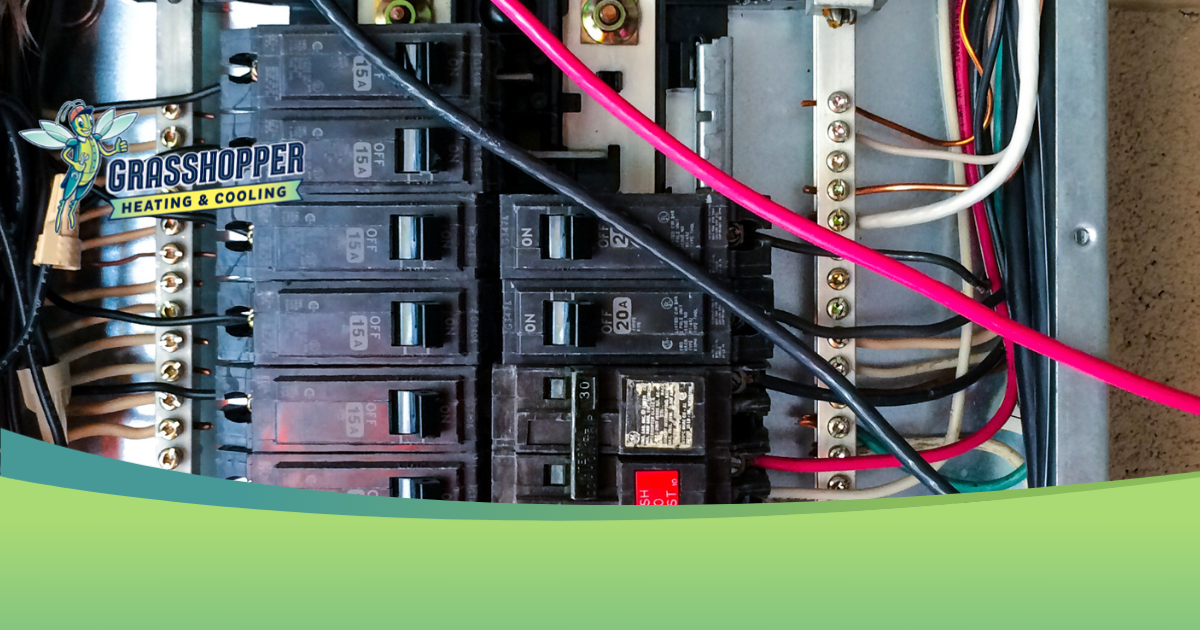
Often referred to as a breaker box, the electrical panel is the central distribution hub for all the electricity that enters your home. It allocates power to individual circuits and helps prevent overloads with protective breakers. Modern electrical panels allow for more consistent voltage and power distribution, which is essential for running multiple appliances efficiently.

Main Panels vs. Subpanels

  • Main Panels: These are the primary points of power distribution for the home.
  • Subpanels: Used to distribute power to specific areas such as home additions or workshops, helping to manage energy use more effectively.

Why Electrical Panel Upgrades Matter for Energy Efficiency

Upgrading your electrical panel isn’t only about meeting higher electrical demands—it’s also about improving your home’s energy efficiency. Newer panels are designed to:

  • Handle Modern Loads: As families add EV chargers, high-efficiency HVAC systems, and smart devices, a modern panel ensures these features operate optimally.
  • Prevent Energy Waste: Outdated panels can lead to voltage drops, power loss, and energy waste through heat and resistance.
  • Enable Advanced Technologies: Up-to-date panels are compatible with home automation, solar power, and energy monitoring systems, allowing for smarter energy management.
  • Support Future Upgrades: Preparing your electrical system for future technologies means your home can remain energy-efficient as your needs grow.

Signs You May Need an Upgrade

Energy inefficiency sometimes begins at the breaker box. Watch for these signs:

  • Frequent Breaker Trips: This could indicate your current panel can’t keep up with demand, causing power interruptions and wasting energy.
  • Flickering or Dimming Lights: These issues often occur when appliances are demanding more power than your panel can deliver efficiently.
  • Heat or Strange Odors Near the Panel: Overworked panels can overheat, leading to dangerous energy loss.
  • Limited Breaker Space: If you’re running out of breaker slots, it may be time to upgrade for both safety and efficiency.

Upgrades vs. Repairs: Making an Informed Choice

Not all panel problems require a full replacement. However, when energy efficiency is a priority, an upgrade to a modern panel can offer significant advantages. 

Consider upgrading if:

  • Your home is 20+ years old and still uses the original electrical panel.
  • You routinely trip breakers or notice power fluctuations.
  • You want to add solar panels, EV charging, or major appliances.
  • You’re planning renovations or expanding your living space.

Energy-Efficient Benefits of Modern Panels

The right upgrade, performed by a licensed electrician, can contribute to:

  • Lower Utility Bills: Less energy is wasted through heat or resistance, and appliances run at optimal efficiency.
  • Increased Home Value: Energy-efficient homes appeal more to modern buyers and may command higher prices.
  • Smoother Integration: New panels better support new technologies like smart thermostats and energy monitors.
  • Enhanced Safety: Modern safety standards not only prevent fire risks but also reduce inadvertent energy losses due to faulty wiring or outdated equipment.

Steps for Homeowners

  • Schedule an Electrical Assessment: Find out if your panel supports your current and future energy needs.
  • Review Energy Goals: Discuss any plans for electrification, solar power, or major appliance upgrades with your electrician.
  • Consider Long-Term Savings: Weigh the upfront investment in panel upgrades against the potential savings on energy bills and maintenance.
  • Stay Proactive: Regular check-ups on your panel’s health ensure your home remains safe and energy-efficient.

Final Thoughts

Electrical panel upgrades aren’t just about troubleshooting; they’re an integral part of improving energy efficiency and future-proofing your home. Grasshopper Heating & Cooling is committed to helping Clifton Park homeowners make informed decisions that keep energy use smart and safe.

To discuss your home’s energy efficiency, contact Grasshopper Heating & Cooling today.

Why Electricity Prices Are Going Up This Summer – What You Need to Know

At Grasshopper, we believe in keeping our customers informed, especially when it comes to changes that might affect your home comfort and your wallet.

As the temperatures rise, so do electricity rates—and it’s not just here in our area. Across the country, electricity prices have been trending upward, and the summer season is expected to bring another bump. Here’s what’s happening, why it matters, and what you can do about it.

The Facts: Electricity Prices Are on the Rise

According to the U.S. Energy Information Administration (EIA), retail electricity prices in the U.S. rose by 5% in 2023 and are projected to continue increasing year over year through 2026.

Here’s a breakdown of some key data:

  •  Average residential electricity price (nationwide):
    Increased from 15.5 cents per kilowatt-hour (kWh) in 2022 to 16.3 cents in 2023.

  • Summer 2024 bills saw sharp regional increases:

    • Pacific Coast: Prices jumped 7%, reaching $0.25/kWh.

    • Middle Atlantic: Bills rose by $14/month, driven by more A/C usage.

    • New England: Already facing higher rates, it saw some of the biggest increases.

These trends are expected to continue this summer due to high seasonal demand and long-term infrastructure investments made by utility providers.

Why Are Prices Increasing?

There’s no single reason—it’s a mix of market forces, fuel prices, and infrastructure costs.

  • Aging infrastructure upgrades: Utility companies are investing heavily to modernize the electric grid and generation capacity, which drives up costs.

  • Fuel fluctuations: While natural gas prices were lower in 2024 (helping reduce wholesale electricity prices temporarily), they’ve begun to climb again in many regions.

  • Summer demand: The biggest driver right now is you guessed it—air conditioning. The hotter it gets, the more we all use A/C, and that spikes demand (and rates).

What This Means for You as a Grasshopper Customer

As a local provider of HVAC and electrical services, we want to be upfront with our customers. The same market conditions affecting national utility rates also influence our service pricing.

Here’s what you can expect this summer:

  • Modest increases in electrical service pricing, especially during high-demand periods (June through August).

  • More strain on HVAC systems may lead to higher energy bills if systems aren’t running efficiently.

  • Peak hours may cost more, depending on your utility provider and home usage habits.

We’re not here to surprise you—we’re here to help you stay informed and in control.

Tips to Keep Your Energy Bills in Check This Summer

Even if rates go up, there are plenty of smart ways to reduce your energy consumption—and we can help.

Our Top 5 Energy-Saving Tips:

  1. Have your A/C serviced – A clean, tuned system runs up to 15% more efficiently.

  2. Set your thermostat wisely – Try 78°F when you’re home, and raise it a few degrees when you’re not.

  3. Use fans – They make your space feel cooler without lowering the thermostat.

  4. Seal and insulate – Leaks around doors and windows make your A/C work overtime.

  5. Consider a smart thermostat – Automated scheduling and remote control can lead to real savings.

How Grasshopper Can Support You

We’re proud to be your trusted partner in heating, cooling, plumbing, and now electrical services too. As these industry-wide changes take effect, we remain committed to providing honest pricing, high-quality service, and energy-efficient solutions.

If you have questions about your home’s energy use or want to schedule a preventive A/C tune-up or electrical inspection, we’re here for you.

Together, we can stay ahead of the curve, even as energy markets shift.


Sources: U.S. Energy Information Administration (EIA) — Today in Energy, June 2025: Electricity prices and usage trends