Rated: 4.9 / 5 based on 2,000+ reviews. Read our reviews

We're available! Call 518-545-3271 to schedule your service

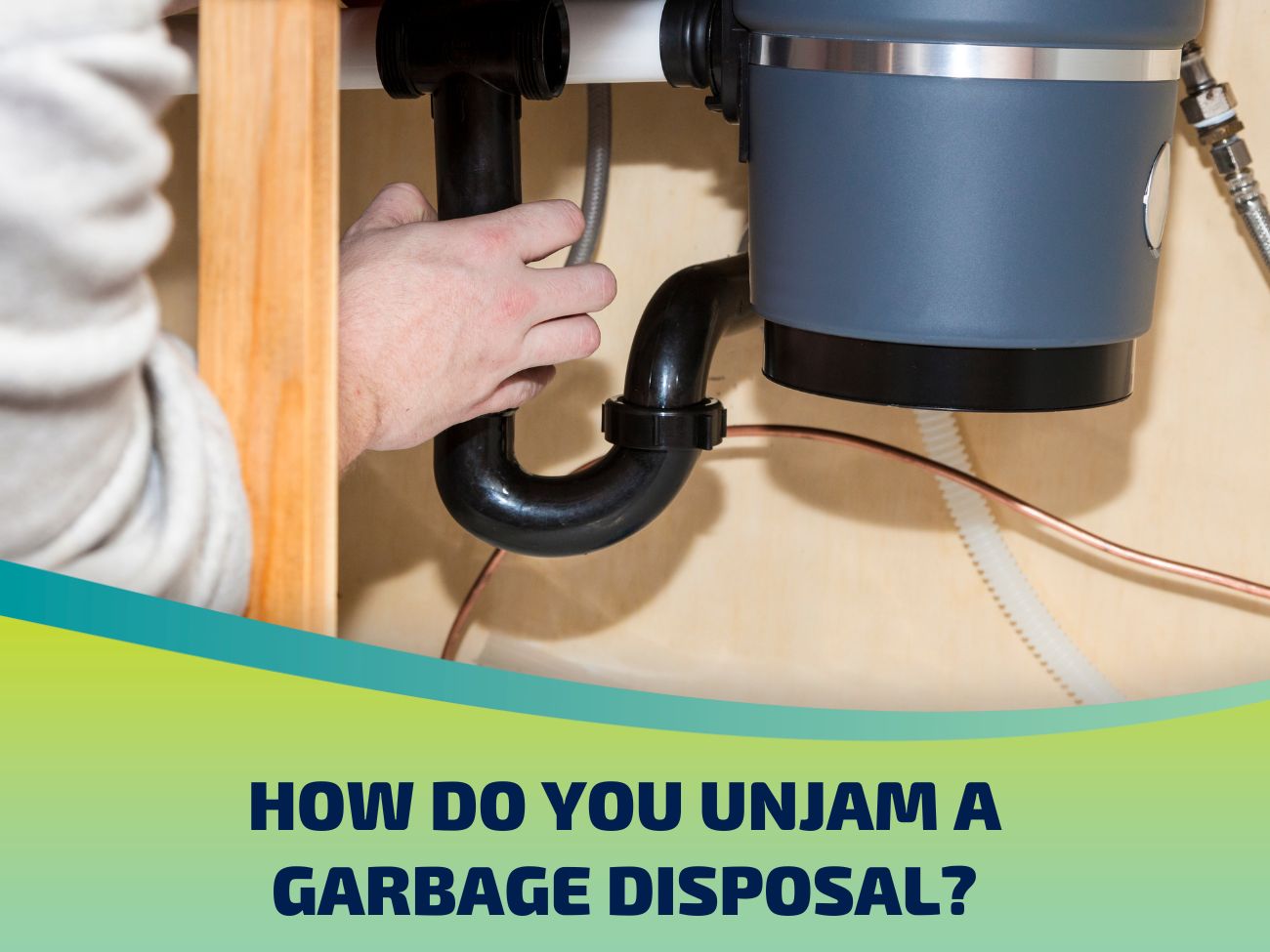
How Do You Unjam a Garbage Disposal?

Your kitchen’s garbage disposal prevents clog-forming food waste from going down your sink drain. However, a jammed garbage disposal can fail to ground up food and leave you dealing with unwanted odors and poor plumbing. How do you unjam a garbage disposal and get it working properly?

The plumbing experts at Grasshopper Heating & Cooling share the process they follow when handling malfunctioning disposal units. Reading this information lets you know what to expect during a typical repair service.

Evaluate Any Performance Problems

Before you contact a plumber for repairs, it’s important to figure out what’s wrong with your unit. Take note of the issues you’re experiencing, such as:

  • A humming sound when the system runs
  • A slow-draining sink
  • The light switch won’t turn on or off
  • A leak at the bottom of the disposal

Contact a plumber and explain what’s happening with your system. They can typically figure out what’s wrong with your unit based on the symptom and fix it quickly.

Gather the Appropriate Tools

When troubleshooting measures aren’t enough, how do you unjam a garbage disposal? Plumbers tasked with fixing jammed garbage disposals need to gather various tools, including:

  • An Allen wrench
  • A hex wrench
  • Needle nose pliers
  • Screwdrivers
  • A sink plunger

This equipment will come in handy when the system can’t grind up food particles or you hear the motor hum.

Rule Out Electrical Issues With the Circuit Breaker

Ask an expert, “How do you unjam a garbage disposal?” and they’ll tell you the first step often involves basic electrical troubleshooting. A quick inspection will let a plumber know if the problem stems from faulty electrical systems, such as a tripped circuit breaker or a power cord that isn’t connected directly to the wall outlet.

As long as there isn’t water leaking from the bottom of the unit, specialists can restore power to the system by adjusting the internal circuit breaker or plugging it into an electrical outlet. Most disposals have a reset button as well that you can press to restore its function. You’ll often find the reset power switch at the bottom of the garbage disposal.

If the disposal still doesn’t work, it’s worth exploring replacing an old fuse box or electrical service panel. When all electrical components appear fine, plumbers may have to remove a hard object that’s stuck inside the sink’s drain.

Rotate the Blades and Impeller Plate of the Garbage Disposal Unit

A foreign object may prevent the motor shaft and blades from rotating properly. To correct this issue, your Clifton Park plumber needs to move a disposal wrench back and forth on the outer edge of the unit beneath the sink. With the system still in the off position, they can take a wooden spoon or broom handle and put it into the disposal to dislodge the stuck impeller plate.

How do you unjam a garbage disposal with tight blades? If there is any standing water left in the sink, plumbers will pass it through the drain with a plunger. They then loop an Allen wrench through the blade access hole and carefully rotate it until the blades begin to move with ease.

Use Safe Garbage Disposal Practices Going Forward

Now that you know what goes into unjamming your garbage disposal, it’s important to prevent this issue from happening again. Make sure you use the unit safely with the following practices:

  • Avoid putting tough food scraps into the unit: Banana peels, chicken bones, eggshells, and other waste can all damage garbage disposals. Keep your system safe by placing them in the trash bin instead of down the drain.
  • Run cold water when you turn the disposal on: Cold water prevents any fat or grease from liquifying and clogging your drain.
  • Use the system regularly: Letting the unit sit idle for long periods makes it prone to rust and corrosion.
  • Keep the blades sharp: Pour a cup of ice into the disposal and run it every so often to help sharpen the blades.

Other maintenance tips include using the reset button when necessary and replacing a worn-out shredder ring.

Let a Professional Plumber Fix Your Faulty Garbage Disposal Unit – Contact Grasshopper Heating & Cooling

At Grasshopper Heating & Cooling, we can answer all of your questions about kitchen plumbing, including, “How do you unjam a garbage disposal?” and “What are ways to keep a garbage disposal from smelling?” Reach out to our licensed plumbers if you’re having issues with any of your kitchen plumbing fixtures, including a jammed disposal. Call (518) 545-3271 to request immediate service.
What To Do When Your Water Heater Isn’t Getting Hot Enough

Are you stressed that your water heater is not getting hot enough and sick of lukewarm showers? When you call a professional plumber with Grasshopper Heating & Cooling, you’ll love how quickly you restore your hot water supply.

Why Your Water Heater Is Not Getting Hot Enough

From faulty heating elements to a broken dip tube, several issues can prevent your hot water heater from performing well. In many cases, calling a professional for water heater repair can fix the problem. But in some cases, you may need a new water heater tank or model. When that happens, consider upgrading to a tankless water heater or another innovative model.

Thermostat Issues

Both gas and electric water heaters have a thermostat at the bottom of the tank, which sets the temperature for your water. Most homes set the thermostat between 120 and 140 degrees, and anything lower likely won’t feel warm enough. You may have bumped your thermostat or you have a faulty thermostat that needs replacement.

Broken Gas Valve

If you feel your water heater is not getting hot enough, you may have a faulty gas valve, a feature included in all gas water heaters. The valve regulates the flow of natural gas, so if it doesn’t deliver enough to your water heater, you’ll have lukewarm water.

If you don’t know whether you have an electric water heater or a gas model, your plumber can tell you. You should also never replace the gas valve yourself.

If you smell rotten eggs or feel dizzy or nauseous, you could have a gas leak. Leave your home immediately and then call your gas company once you’re a safe distance away.

Power Issues

If you have an older electrical system or faulty wiring, your water heater may cause a blown fuse. You may not know when your water heater shuts off, but a lack of hot water is a clear sign you may have power issues.

Excessive Demand

If you recently increased your hot water demand or installed a hot water heater that is too small for your home, you may experience lukewarm water. This happens because the heating elements cannot warm the incoming cold water fast enough before it leaves the water tank. Tankless units almost always avoid this issue.

Sediment Build-up

When dissolved minerals and other debris settle at the bottom of the tank, it can hurt the effectiveness of your hot water heater. At worst, you’ll experience cold water, but with only a minor problem, you’ll have only lukewarm water. A plumber can clean the water heater tank, restore the correct hot water temperature, and even help you conserve energy.

Leaking Hot Water Tank

If you’re wondering why your water heater is not getting hot enough, inspect the hot water tank for condensation or puddles. Your water tank shouldn’t leak, but corrosion and wear and tear can cause enough damage to make a hole.

Worn Out or Broken Components

Over time, your hot water heater can develop wear and tear, which leads to the following issues:

  • Broken dip tube: The dip tube guides the cold water into the bottom of the tank over the two heating elements. A broken dip tube can prevent the tank water from adequately heating up.
  • Clogged drain valve: Clogged drainage can increase the sediment in the hot water tank and prevent you from obtaining adequate hot water.
  • Old anode rod: This rod helps prevent corrosion in your hot water tank, but you must replace it every three to five years.
  • Faulty heating element: If your dip tube leads to a broken heating component, you won’t get enough hot water for your home.

What To Do When You Lack Hot Water

If you don’t have enough hot water, follow these steps:

  1. First, check the thermostat on your device to determine whether you set it too low.
  2. Next, inspect the appliance for signs of damage or puddles on the floor around it.
  3. Inspect your fuse box or electrical panel for a tripped breaker.
  4. Call for repairs or replacement.

If the plumber determines you need a new water heater, use the opportunity to buy a more efficient model that will save you money in the long term.

Helpful Resource: 8 Reasons To Consider Water Heater Replacement Now

Schedule Hot Water Services With Grasshopper Heating & Cooling Today

When your water heater is not getting hot enough, don’t delay calling Grasshopper Heating & Cooling. From regular maintenance to installing plumbing fixtures, we perform every job with excellence and for a competitive price. We take pride that our services keep you safe and comfortable.

To book an appointment, call (518) 545-3271.

Why Does My Toilet Keep Clogging?

Dealing with a toilet that keeps clogging can be frustrating, especially if you’re not sure what’s causing the disruption in the plumbing system. Use this guide to narrow down the reasons why your toilet keeps clogging and reach out to Grasshopper Heating & Cooling for professional toilet repairs and drain cleaning services.

Common Causes of a Clogged Toilet

Frequent toilet clogs can happen for a number of reasons. You might experience water backup, slow drainage, and other issues due to the following scenarios, leading to toilet clogs.

Too Much Toilet Paper

If you have a toilet that keeps clogging, evaluate your toilet paper usage. Excess toilet tissue can cause sewer line clogs and prevent your system from flushing properly. Use limited amounts of single-ply toilet tissue to preserve your drainage system.

Flushing Non-Flushable Items Down the Toilet Bowl

Human waste and toilet paper are the only items safe for flushing. Sending non-flushable paper or hygiene products like cotton balls down the toilet can form a stubborn sewer line clog that affects other plumbing fixtures in your home.

Tree Root Penetrations

Say you take care of your plumbing system by flushing only appropriate objects down the toilet drain, yet you can’t seem to resolve your toilet clogging issue. Have an expert inspect your main sewer line for damage. Many homeowners have tree roots that obstruct their sewer pipes and create huge blockages.

Plumbers often recommend the following measures to repair the clogged sewer line:

  • Hydrojetting
  • Replacing the damaged pipe
  • Removing the tree

Not addressing the underlying problem will mean the toilet keeps clogging as well as shower drains, sinks, and other essential plumbing fixtures.

Using a Low-Flow Toilet

Homeowners with older low-flow toilets tend to deal with clogs more frequently due to the poor flushing pressure. You can conserve water while experiencing a more powerful flush with modern toilets.

Blocked Toilet Vent

Every plumbing and toilet vent penetrates the roof to release gases into fresh air rather than through your home. Debris like leaves or twigs can fill the vent and prevent your toilet from flushing properly.

Clogged Toilet Trap

Similar to your sink’s P-trap, every toilet comes with its own trap that blocks the flow of harmful sewer gases. The toilet trap can fill up with bathroom waste and other debris over time, which makes it difficult for wastewater to flow through the drain pipe.

How To Repair a Clogged Toilet

When a toilet keeps clogging, it’s equally important to know what’s causing the issue as well as how to fix it. Below are essential ways to both fix and prevent toilet clogs.

Use Basic Plumbing Tools

Excess toilet paper or an obstructed toilet trap can leave you dealing with a slow-draining system. A flanged toilet plunger can usually resolve the issue and cause water to flush at full force through the drain. Sealing the plunger’s rubber base over the drain and pumping it up and down with the handle can remove the blockage with suction force.

A toilet auger, also known as a snake, can tackle clogs caused by foreign or non-flushable objects. Plumbers carefully send the toilet auger through the drain and can either break apart or remove the blockage once they reach it.

Replace Outdated Equipment

For clogs caused by damaged sewer pipes or ineffective low-flow toilets, your best bet is to replace your existing equipment. Plumbers will recommend replacing your underground pipe material when hydrojetting and other sewer line repairs don’t resolve the issue. They can also upgrade your older toilets if they don’t flush properly or require frequent repairs.

In some cases, you might need to install new equipment to safeguard your plumbing. Homes with hard water, for example, can deal with clogged drains because of the mineral buildup. Installing a water softener alleviates this problem.

Change Your Habits

Clearing the clog could only be a temporary fix if you don’t change some of your bathroom habits. For example, continuing to use too much toilet paper or flush unsafe items will require ongoing repairs. Installing a bidet in your bathroom can help you avoid toilet paper clogs, and keeping a waste bin nearby allows you to properly dispose of other toiletries.

Schedule Professional Plumbing Services and Repair Any Toilet Issue

If your toilet keeps clogging due to blocked toilet vents, damaged sewer lines, or any other issue, reach out to Grasshopper Heating & Cooling. We offer unbeatable plumbing services in Clifton Park, NY and the surrounding areas and can restore your drain line so the toilet flushes properly. Submit our online request form or call (518) 545-3271 to schedule repairs to your toilet and drain lines.

How Do I Stop My P-Trap From Leaking?

A leaking P-trap can turn into a major plumbing disaster and cause a mess beneath your kitchen or bathroom sink. This begs the question: How do I stop my P-trap from leaking? Find out how the licensed plumbers at Grasshopper Heating & Cooling address this issue and preserve plumbing systems.

What Causes a Faulty P-Trap Pipe?

The main purpose of PVC or metal traps below sinks is to keep harmful gases out of the drain line. When PVC P-traps spring a leak, these gases can flow from the pipe and cause foul odors throughout your home. In addition, wastewater will seep out of pipe sections and cause significant damage.

Improper installation and ill-fitting compression nuts often lead to this issue. You may also experience a leak because of worn-out washers and pipe corrosion.

How to Fix the Plastic Trap Beneath Your Sink Drain

Ask a professional plumber, “How do I stop my P-trap from leaking?” and they’ll tell you that fixing the trap leak involves a few different steps. Below is a breakdown of tips for repairing the equipment.

Identify the Leak

Although you’ll likely suspect a leak because of the gas odors, you’ll have to pinpoint the exact location before moving forward. Look for any dripping water around the pipe.

Tighten the Compression Collar

It’s possible that the slip nuts on the P-trap became loose. You can try to hand tighten the collar or pick up some slip joint pliers from your local home improvement store. Be careful not to over-tighten the compression collar as this can damage the pipes.

Disassemble the Entire Trap

When tightening the collar fails to stop the leak, you’ll have to take a more robust approach to fixing your plumbing. Repairing your trap assembly involves:

  • Shutting off the water supply: Use the water shut-off valve to prevent a huge mess as you work on the pipe.
  • Removing the old P-trap: Loosen the nuts in the correct direction to remove the leaking part. Wipe up any water that spills out at this time.
  • Sealing the opening: Stuff a towel into the line to act as a pipe sealant and prevent sewer gas from escaping
  • Replacing damaged pieces: Head to your local hardware store and find replacement equipment for any damaged pieces, such as slip joint nuts, washers, and O-rings.

After you put the correct pieces in place it’s time to restore your water supply and turn on your bathroom or kitchen sink. The pipe should remove all wastewater without any leaks in sight. Contact an expert if you still find evidence of a leak and aren’t sure how to fix it.

Let Grasshopper Heating & Cooling Repair Your Leaking Sink P-Trap

Why is my garbage disposal making strange noises? How do I stop my P-trap from leaking? The licensed plumbers at Grasshopper Heating & Cool can answer all of your plumbing questions.

Give us a call if you need someone to fix a leaky P-trap or tend to another plumbing issue. Call (518) 545-3271 to speak with a specialist.

How Do Drains Get Clogged?

Plumbers unclog drains on a regular basis, but how do drains get clogged in the first place? You might encounter this problem in your home and need to understand ways to fix the clog and prevent it from being a recurring problem. Grasshopper Heating & Cooling reveals everything you need to know in this helpful guide.

How a Clogged Drain Affects Your Plumbing System

Say you have a clogged sink drain and don’t do anything to fix it. The blockage will continue to grow and restrict water flow through your system. In addition, foul odors can waft from your drain because of the clog.

Be mindful of how you approach clogged drains. Some at-home remedies can fix the problem but commercial cleaning products that feature harsh chemicals can damage your pipes. Consult a professional plumber if you have concerns and let them inspect your drainage system.

Common Causes of Clogged Drains

How do drains get clogged? Multiple items can be to blame for clogging the drain pipe in your bathroom sink, toilet bowl, shower, and kitchen sink. Check out some of the biggest culprits below.

Toilet Paper, Paper Towels, and Feminine Hygiene Products

If human waste doesn’t lead to a clogged toilet, certain toiletries may be responsible. Flushing thick wads of paper towels and feminine products can block the pipe and cause water backup. Flush only toilet paper and use a reasonable amount, as this could also clog the toilet.

Mineral Deposits

Many bathroom drain clogs form because of excessive mineral buildup within the pipes. You might be tempted to use a chemical cleaner but this can eat away at your pipes. Experts recommend a hydrojetting service that uses pressurized water to blast away all built-up minerals.

Hair and Soap Scum

Shower drains tend to clog with hair and residue from bar soap. Drain screens can protect the plumbing pipes but if residue manages to get through them, you can use the following steps to break down the clog:

  • Fill the drain with a cup of baking soda.
  • Pour a cup of vinegar into the drain to form a chemical reaction.
  • Let the mixture sit for 30 minutes, and flush the pipe with boiling water.
  • Repeat the process if necessary.

Helpful article: 4 Homemade Drain Cleaner Recipes


Tree Roots

If you have a clogged kitchen sink but use a drain cover and garbage disposal to keep food out of the drain line, a tree may be obstructing the pipe. Roots expand as the tree grows and can infiltrate plumbing systems. Call a professional plumber to inspect the drain pipes and clear the obstruction.

Using hot water or chemical drain cleaners to clear the way won’t do the trick if a tree’s roots are to blame.

Schedule a Professional Drain Cleaning Service Today

Stop wondering, “How do drains get clogged?” and reach out to the plumbing professionals at Grasshopper Heating & Cooling. We’ll restore your pipes with proven drain-clearing techniques and give you tips for keeping them free of clogs. Call (518) 545-3271 to request service.

Is It Normal for a Water Heater to Make Popping Noises?

When your water heater tank starts making a popping, knocking, or banging sound, it’s definitely a cause for concern. What leads to a water heater making popping noise and what can you do about it? The licensed plumbers at Grasshopper Heating & Cooling have the answer in this brief guide.

Don’t Ignore Water Heater Maintenance

Just like any plumbing fixture, your hot water heater needs routine maintenance or it won’t work properly. Sediment buildup inside the steel tank prevents the bubbles in boiling water from escaping which results in a distinct popping noise.

Both gas and electric water heaters can experience this along with the following issues:

  • Tank leaks
  • Decrease in the water heater’s efficiency
  • Heating element damage

Discover how plumbers safeguard hot water systems by flushing the tank of sediment and mineral deposits.

How to Flush a Water Heater Making Popping Noise

Don’t hesitate to drain and flush a water heater making popping noises. You’ll enjoy a silent system that works efficiently when you perform the following steps.

Kill the Unit’s Power Supply

You must turn off the water heater before doing anything else. Cut off power to the heating element by either closing your gas valve or flipping the switch on your home’s circuit breaker, depending on which type of tank you have.

Turn the Tank’s Cold Water Supply Lever

Near the top of your tank, you should find a cold water lever that supplies the system with water. Turn this feature off to prevent the tank from filling up.

Once the cold water valve is off, start running a hot water faucet, such as your kitchen sink or shower faucet. Then locate your tank’s pressure relief valve and open it to prevent a vacuum from forming in your hot water pipes.

Connect a Hose and Drain the Tank

You’ll find the water heater’s drain valve located near the bottom of the tank. Connect a garden hose to the drain valve and turn the spigot to safely drain the tank’s contents. Make sure the other end of the hose flows into a bucket or basement drain.

The water supply that comes out of the hose may have an odd smell or appear discolored due to the sediment buildup. When the tank empties, toggle both the pressure relief and cold water valves. Let the water continue to run until all remaining sediment is going and the water comes out clear.

Restart Your Water Heater

To get your water heater working again, perform the following tasks:

  • Disconnect the hose and close the drain valve.
  • Shut off the running faucet.
  • Restore power to the system.
  • Wait a few minutes for the tank to heat up.

After all of this, you’ll have a water heater that works without issue.

Schedule Water Heater Repair and Maintenance Services Today – Contact Grasshopper Heating & Cooling

Is your water heater making popping noises? Let the experts at Grasshopper Heating & Cooling take care of your gas or electric water heater and flush it so you don’t experience any more strange sounds or unwanted water heater repairs. Give us a call at (518) 545-3271 to schedule a maintenance appointment.

Can I Flush My Water Heater Myself?

Homeowners often ask plumbers, “Can I flush my water heater myself?” Experts at Grasshopper Heating & Cooling are here to answer that question and explain how they maintain a hot water tank with annual flushing. Discover how you can tackle this project like a professional.

Importance of Water Heater Maintenance

Letting your hot water heater run without performing routine maintenance can lead to gunk and mineral deposits collecting inside the tank. Electric and gas water heaters need proper maintenance for optimum efficiency and performance. You can have a plumber flush a water heater or you can take on the entire flushing process yourself.

Steps for Flushing a Hot Water Heater

Performing gas or electric water heater maintenance requires precision. Ask an expert, “How can I flush my water heater myself?” and they’ll tell you to complete the following steps.

Shut off the Thermostat and Gas Supply

Powering off a hot water heater’s thermostat can be as simple as flipping a switch on the unit. For those with an electric hot water heater, this requires shutting off the power supply from the home’s breaker box.

Safely flushing a gas hot water heater requires you to also turn off the gas supply. Locate the gas pipe leading to the unit and turn the knob on the gas line to shut off the supply. Keep in mind that to use an older gas water heater after flushing, you’ll have to reignite the pilot light.

Turn off and Drain Your Hot and Cold Water Supply

You’ll then have to turn off your cold water valve. This prevents the tank from filling with water so you can effectively flush all of its contents. Turn on a hot water faucet and leave it running for the rest of the draining process.

Many plumbers recommend opening the water heater pressure relief valve as this facilitates draining and flushing the tank.

Connect Garden Hose to Your Drainage Spigot

Hook up a hose to your water heater drain valve and make sure that it extends either outside or inside a basin you can empty. This hot water spigot will dispense all of the tank’s water supply along with any sediment inside the tank. While draining the gas or electric heater, you might find discolored water because of the sediment and mineral deposits.

Flush the Tank

Once your tank empties, locate your cold water spigot leading to the hot water heater and switch it on. This will add water into the tank to flush out any remaining sediment. Experts recommend keeping the water running until it comes out of the hose clear.

To finish up this maintenance task, perform the following:

  • Remove the hose from your closed spigot.
  • Restore the relief valve and shut off your running faucet.
  • Restore power to your water heater.
  • Wait several minutes for the tank to heat up again.

Schedule Water Heater Maintenance With Grasshopper Heating & Cooling

After reading this guide, you no longer have to wonder, “Can I flush my water heater myself?” If you’d rather hire an expert, contact the licensed plumbers at Grasshopper Heating & Cooling. Call (518) 545-3271 to schedule a service today.

How Do I Know If My Underground Drain Is Clogged?

Various cultures have used underground plumbing and water networks for thousands of years. Therefore, the concept and usage of underground pipes is hardly new. However, they can still develop clogs despite centuries of perfecting the way they work.

Grasshopper Heating & Cooling outlines how to tell if your underground drain is clogged. We listed some tell-tale clues to help you determine when to call our experienced plumbers.

How Underground Drains Work

First, learn how your underground drain pipe network functions. Your plumbing network includes a series of subterranean pipes that direct water flow away from your home’s foundation. For example, your drainage system removes wastewater from your plumbing fixtures.

The wastewater enters the underground drain and eventually enters the sewer system. It also directs rainwater away from your home when seasonal storms raise the groundwater levels. As you can imagine, waste and water movement can lead to debris clogging the drain pipes.

You might not notice at first. However, concerning warning signs will eventually arise.

How to Tell If Your Clogged Underground Drain

A clogged drain pipe might develop because of:

  • Tree roots breaching the pipes
  • Organic material, like leaves and twigs, forming a clog in narrow pipe networks
  • Household waste, like soap, hair, oil, and grease, sticking to the inside of the pipe

These clogs can manifest in myriad ways, having noticeable and sometimes damaging repercussions on your property.

Overflowing Gutter System

Your gutters and downspouts drain water off of your roof and away from the building. The gutter system prevents ground soil erosion, roof damage, and foundational water damage. The gutter system can easily become clogged with debris.

If each downspout drain connects to your underground drain pipes, then it relies on a clear pathway to direct excessive water. As you likely know, gutters can easily become backed up with leaves and dirt. These blockages result in overflowing gutters and a backed-up downspout drain pipe.

Cleaning your gutters and downspout attachments regularly prevents clogged underground drain pipes. Remember to flush out your downspout drain and inspect the adapter seams for damage.

Water Overflowing From Drainage System

You can tell when your underground drain is clogged if an in-home water source, like a sink or tub, doesn’t drain quickly. You might also discover water moving back up into the fixture rather than flowing downward. This suggests a sizable clog that may need professional attention.

You can prevent drainage overflow by limiting the materials you rinse down the drain pipe. For example, leftover food and grease should go in the trash. Only flush water, soap, and toilet paper down your drains to prevent an overflow from a clogged underground drain.

Standing Water or Damage Near the House Foundation

Your basement, crawlspace, or garage might show damage faster than the gutter and downspout system because these areas typically make up your home’s foundation.

Periodically inspect these areas for clog evidence like:

  • Pools of water
  • Water stains
  • Warped or rotten materials
  • Mold growth
  • Foul smells

Clogged drains can push water into the lowermost level, resulting in signs that resemble a slow leak but come from a different source.

Water Leaks

Speaking of slow leaks, a severe clog can eventually lead to a leaking pipe. The excess drain water needs a place to go. If it can’t find a sufficient opening, it builds in force and pressure as the drain struggles to contain it. Eventually, the pressure may rupture the pipe, allowing water to spill in unfortunate areas.

Call the Pros at Grasshopper Heating & Cooling to Unclog Your Drain Pipe

Contact Grasshopper Heating & Cooling if your underground drain is clogged. Our plumbers will check your gutters, downspout drains, fixture drains, and other connected components to identify the location of the clog. Then, we’ll use advanced technology coupled with state-of-the-art heavy equipment to break up the blockage.

For example, our hydrojet hose can reach deep into the drainage system, blasting gutter and waste blockages with a forceful water stream. Call 518-545-3271 to schedule an inspection today!

4 Homemade Drain Cleaner Recipes

You already know store-bought drain cleaning formulas contain harsh chemicals that can destroy a drain pipe. Did you know you can make a DIY drain cleaner instead of reaching for those toxic chemicals in your cabinet? Grasshopper Heating & Cooling offers four homemade drain cleaner recipes below.

Why Use Homemade Drain Cleaners?

While the average commercial drain cleaner dissolves blockages, it also corrodes your plumbing system. Plus, it harms the environment. When it inevitably enters nearby water bodies, it kills bacteria and aquatic flora and fauna.

Before reaching for these products to alleviate slow drains, try a DIY drain cleaner. You’ll protect your plumbing system and the local ecosystem.

Our Effective Homemade Drain Cleaner Recipes

The tough clog in your bathroom or kitchen sink drain might respond just as well to a DIY drain cleaner as a chemical formula. The recipes below use common household ingredients you likely have in your cupboard or pantry.

#1 Boiling Water and Dish Soap

Sometimes, you just need boiling water to dislodge a blockage. If you need extra help, pour boiling water down the drain. Then, squeeze liquid dish soap into it as well.

Wait at least an hour so the soap can dissolve the grease clog. Follow up with another pot of boiling water. Then, you can run hot tap water into the drain until the suds dissipate.

#2 Baking Soda and Vinegar

A combination of sodium bicarbonate or baking soda and white vinegar is incredibly effective at unclogging drains. Run hot water into the affected drain to loosen any trapped debris. Then, pour baking soda directly into the clogged drain.

Next, pour an equal amount of vinegar on top of the baking soda. The baking soda and vinegar will eat away at the blockage. If you can’t find any white vinegar, use lemon juice instead as it reacts similarly.

#3 Baking Soda, Salt, Cream of Tartar

A lesser-known homemade drain cleaner involves:

  • 1/4 cup of baking soda
  • 1/4 cup of table salt
  • One tablespoon of cream of tartar

Mix these ingredients into a bowl. Then, sprinkle the mixture into any clogged drains. After a 30-minute wait, slowly pour a pot of boiling water down each drain. Repeat this DIY drain solution as needed.

#4 Salt, Borax, and Vinegar

As one of the more effective recipes for homemade drain cleaners, this recipe requires borax. Borax is generally considered non-toxic if not ingested. Keep it away from children and animals to prevent any complications.

The recipe calls for:

  • A half cup of borax
  • A half cup of salt
  • A cup of white vinegar

Thoroughly mix the ingredients in a bowl until they form a thick paste. Then pour the concoction into the slow drain, letting it sit for half an hour. Use a rag or drain stopper to cover the clogged sink drain.

Finally, pour boiling water down the drain to loosen remaining debris. If necessary, repeat this homemade drain recipe or add more hot water to your currently clogged drain.

Other Ways to Protect Your Plumbing System

You can prevent clogs, foul odors, and other undesirable plumbing issues with the following accessible tools:

  • Hot water: Pouring boiling water down each drain monthly encourages trapped debris to move along. Hot water liquefies grease and loosens stubborn particles.
  • Drain snake: The drain snake is the champion of DIY drain cleaners. Just push it down a blocked drain and pull it out to see what it catches.
  • Drain trap: Covering your drain with a trap prevents food particles and other materials from entering your drainage system.
  • Wire coat hanger: If you drop a piece of jewelry or another small object down the drain, you can straighten a wire hanger to retrieve it.
  • Baking soda: Not only is baking soda a must-have for homemade drain cleaners, but it can eradicate odors. Pour a cup of baking soda down a stinky drain.

Grasshopper Heating & Cooling Can Combat Difficult Clogged Drains

If these homemade drain cleaners don’t work, our services will! Schedule a local Clifton Park plumber visit from Grasshopper Heating & Cooling at 518-545-3271.

How Can I Unclog My Main Drain Line?

Your main sewer line connects to numerous household drains. As hot water collects around your ankles while you shower, you ponder to yourself, “How can I unclog my main drain line?” Allowing the clogged sewer line to fester is not optional.

Grasshopper Heating & Cooling understands the frustrations that come with slow drains, nasty smells, and stubborn blockages. Our advice might help you prevent future sewer line clogs and take action when they cause problems.

Why Clogs Form in the Main Sewer Line

You can’t unclog the main sewer line without figuring out the problem first. A main sewer line clog can develop for myriad reasons, including:

  • Tree roots: A tree’s root system naturally gravitates toward running water sources. Sometimes, the roots infiltrate the municipal sewer system, blocking the lines.
  • Sagging sewer lines: An older main sewer drain may need replacement. As it ages, the materials sag beneath the dirt, creating a divot that prevents water from freely flowing.
  • Mineral buildup: Does your municipal water supply have a high mineral content? Minerals might stick to the main line, creating a stubborn clog that requires professional attention.
  • Broken pipes: A broken pipe in a sewer line allows organic material to seep into the system. Dirt, roots, and rocks can form a stubborn blockage.
  • Improper waste disposal: If you rinse materials besides toilet paper, water, and dissolved soap down your bathroom or kitchen sink drain, you could inadvertently contribute to a clogged main sewer line. This can be especially problematic if you rely on a septic tank.

Often, a professional plumber has to inspect and diagnose the cause of your blocked sewer line. Once the plumber finds the issue, you might ask them, “How can I unclog my main drain line?”

How Can I Unclog My Main Drain Line?

Their recommendations will likely include hydrojetting. Clogged sewer lines often contain tough, compacted, or sticky debris. The average drain cleaner won’t do much to dissolve the blockage.

Hydrojets shoot forceful streams of water at high speeds and pressures to loosen debris and unclog a main sewer line. If your plumbing fixtures can’t drain properly because of a damaged or infiltrated main sewer pipe, your plumber might suggest sealing or replacing the drain pipes altogether.

Finally, they may use a professional plumbing snake or auger to access and remove a nearby sewer clog. The chosen remedy to unclog the main sewer line ultimately depends on:

  • The clog’s location.
  • The clog material.
  • Whether the main sewer line sustained damage.

Preventing Blocked Sewer Lines

An adage says that an ounce of prevention is worth a pound of cure. You can protect your sewer line or septic system from blockages with a few drain cleaning habits.

Limit Materials That Go Down the Drain Lines

As mentioned above, only toilet paper, water, and dissolved soap should enter your drains. Cover your fixture drains with protective grates or nets. These tools catch large debris that might otherwise escape into your drainage system.

You can also use a drain snake to pull out hair and other substances that escape into tub drains. Alternatively, pour a drain-cleaning solution of baking soda and vinegar into the clogged fixture to dissolve and push out blockages.

Don’t Overwhelm Your Sewer System

If you have multiple bathrooms and household occupants, discuss not flushing toilets at once. Too many flushes at one time can overwhelm the septic or sewer system. Additionally, limit the amount of toilet paper flushed at a time to prevent an overflowing or clogged toilet.

Maintain Your Plumbing System and Sewer Pipes

Don’t forget those annual inspections from professional plumbers. While drain snakes, baking soda and vinegar concoctions, and routine care are fantastic preventative measures, clogs form regardless of your habits. Your plumber can inspect the network and alert you to developing concerns.

Contact Grasshopper Heating & Cooling About Your Clogged Drain Concerns

Wondering, “How can I unclog my main drain line?” Call 518-545-3271 to schedule routine or emergency drain cleaning services in Clifton Park, Albany, and the surrounding areas from Grasshopper Heating & Cooling. Your favorite HVAC company also tackles plumbing issues!

Schedule Service

This field is for validation purposes and should be left unchanged.

* By clicking “Submit”, I am providing express written consent to receive autodialed and pre-recorded calls, texts, and SMS/MMS with marketing communications from Grasshopper Heating and Cooling regarding home services at the phone number provided above, even if the number is on a corporate, state, or national Do Not Call list. Consent is not a condition to purchase services or products.