Home Energy Assessments: The First Step to Lower Utility Bills
Rising utility bills have become a major concern for many New York homeowners, especially during seasonal temperature swings. Clifton Park residents know all too well how harsh winters and humid summers can send energy costs soaring. While many homeowners look for quick fixes like adjusting thermostats or switching to LED bulbs, there’s a more strategic approach that can unlock significant savings.
One of the most overlooked ways to reduce energy costs is through a comprehensive Home Energy Assessment. This professional evaluation goes beyond surface-level solutions to identify the real culprits behind high utility bills. This blog will explain how assessments work, why they matter, and how you may qualify for assistance through EmPower New York and HEAP programs.
What Is a Home Energy Assessment?
A Home Energy Assessment is a comprehensive evaluation of your home’s energy use performed by certified professionals. Unlike a simple walkthrough, this detailed analysis identifies specific problem areas that drive up your utility costs, including air leaks, poor insulation, inefficient appliances, outdated lighting, and HVAC inefficiencies.
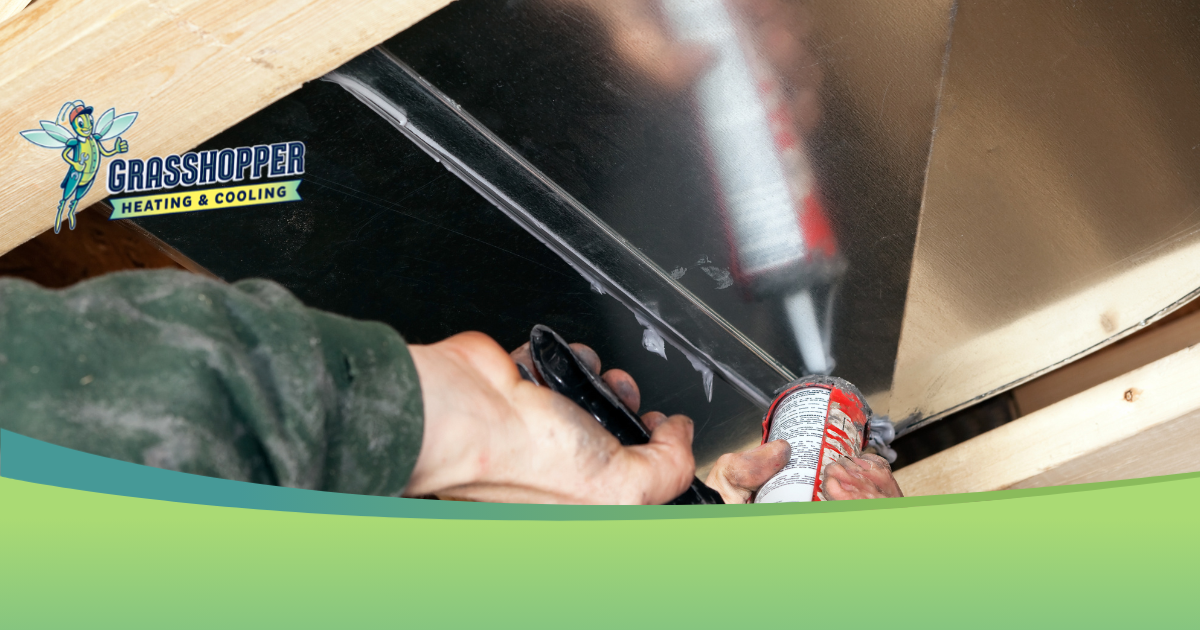
During the assessment, technicians typically conduct a blower door test to measure air leakage, infrared scanning to detect insulation gaps, ductwork inspection to find energy losses, and appliance evaluations to identify upgrade opportunities. The result is a prioritized list of improvements tailored specifically to your home’s unique needs.
Why It’s the First Step Toward Lower Utility Bills
Pinpoints the Real Problems
Instead of guessing what’s causing high energy bills, a Home Energy Assessment reveals exactly where your home is losing energy. Many Clifton Park homeowners are surprised to discover that their biggest energy losses come from unexpected sources like basement rim joists or attic air leaks rather than obvious culprits like old windows.
Informs Smarter Upgrades
A professional assessment helps you avoid wasting money on the wrong fixes. Rather than spending thousands on new windows when your home actually needs better insulation, you can focus on improvements that deliver real savings. This targeted approach typically provides a much better return on investment.
Boosts Home Comfort and Health
Energy efficiency improvements do more than reduce bills. They eliminate drafts, hot and cold spots, and indoor air quality issues that make your home uncomfortable. Better air sealing and insulation can improve humidity control and reduce allergy triggers, creating a healthier living environment for your family.
Helps You Access Rebates and Funding
Many state and utility rebate programs require a Home Energy Assessment to qualify for incentives. This professional evaluation serves as the foundation for accessing valuable funding programs that can significantly reduce the cost of energy improvements.
EmPower New York & HEAP: Making Energy Improvements Affordable
What Is EmPower New York?
EmPower New York is an income-based program through NYSERDA that offers free energy upgrades for qualifying households. The program can provide insulation, air sealing, LED lighting, and energy-efficient appliances at no cost to eligible homeowners. However, you must complete a Home Energy Assessment to qualify and determine which improvements your home needs most.
What Is HEAP (Home Energy Assistance Program)?
HEAP helps income-eligible New Yorkers with heating and cooling costs through direct utility assistance and equipment grants. The program may provide funding toward equipment repair or replacement, making it easier to upgrade inefficient heating and cooling systems. HEAP is often used alongside EmPower for maximum benefit.
Who Qualifies?
Both homeowners and renters may be eligible for these programs based on income, household size, and utility usage. Grasshopper Heating Cooling & Plumbing can help you determine eligibility and walk you through the application process, ensuring you don’t miss out on valuable assistance.
What to Expect When You Schedule with Grasshopper
When you schedule a Home Energy Assessment with Grasshopper Heating Cooling & Plumbing, you can expect a free or low-cost evaluation depending on your eligibility for assistance programs. Our friendly, certified technicians respect your home and time, providing clear recommendations without pressure to purchase additional services.
You’ll receive a detailed report explaining your home’s energy performance and prioritized improvement recommendations. We’ll also guide you through next steps, available rebates, and program applications to help you maximize your savings.
Why Choose Grasshopper Heating Cooling & Plumbing
As local experts serving Clifton Park and the Capital Region, Grasshopper Heating Cooling & Plumbing understands the unique energy challenges facing homeowners in our area. We’re a NYSERDA-approved contractor for Home Energy Assessments with extensive experience guiding homeowners through EmPower, HEAP, and utility rebate processes.
Our commitment goes beyond the assessment itself. We’re dedicated to helping you save energy and live more comfortably while navigating the often complex world of energy efficiency incentives and programs.
Start Your Journey to Lower Energy Bills Today
Don’t let another season of high utility bills drain your budget. A Home Energy Assessment is the smart first step toward meaningful energy savings and improved home comfort. Contact Grasshopper Heating Cooling & Plumbing today to schedule your assessment and learn how we can help you apply for EmPower New York and HEAP assistance.
Take control of your energy costs and discover how much you could save with a professional Home Energy Assessment tailored to your Clifton Park home’s specific needs.