Rated: 4.9 / 5 based on 2,600+ reviews. Read our reviews

Available 24/7! Call now to schedule! (518) 545-3271

How To Extend the Lifespan of Your HVAC Systems: Tips Every Homeowner Should Know

Your HVAC systems work tirelessly to keep your home comfortable year-round, but this continuous operation takes a toll over time. Did you know that the average HVAC system lifespan is about 14 years, but you can significantly extend that timeline with proper care?

Proper maintenance is crucial for maximizing your system’s efficiency and longevity. In this guide, Grasshopper Heating, Cooling, Plumbing & Electrical will explain how to extend the lifespan of your HVAC systems with tips every homeowner should know.

Essential HVAC Maintenance Tips for Maximum System Lifespan

Regular professional maintenance is the cornerstone of prolonging the life of an HVAC system. Your heating and cooling equipment should receive professional tune-ups at least once per year, with spring being ideal for air conditioner service and early fall for furnace maintenance.

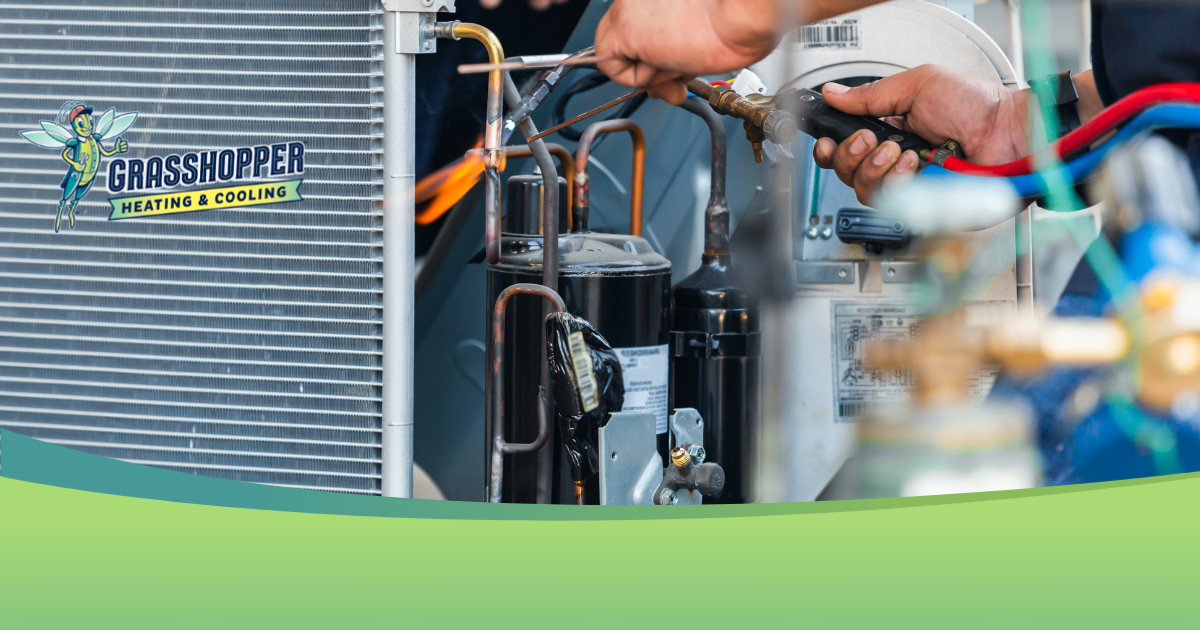
These professional inspections typically include lubricating moving parts, cleaning condensers, checking refrigerant levels, and inspecting heat exchangers for cracks. A well-maintained system experiences less wear and tear, operates more efficiently, and lasts significantly longer than neglected equipment.

Home HVAC longevity also depends on your attention between professional visits. Replace air filters every one to three months, depending on usage and household conditions like pets or allergies.

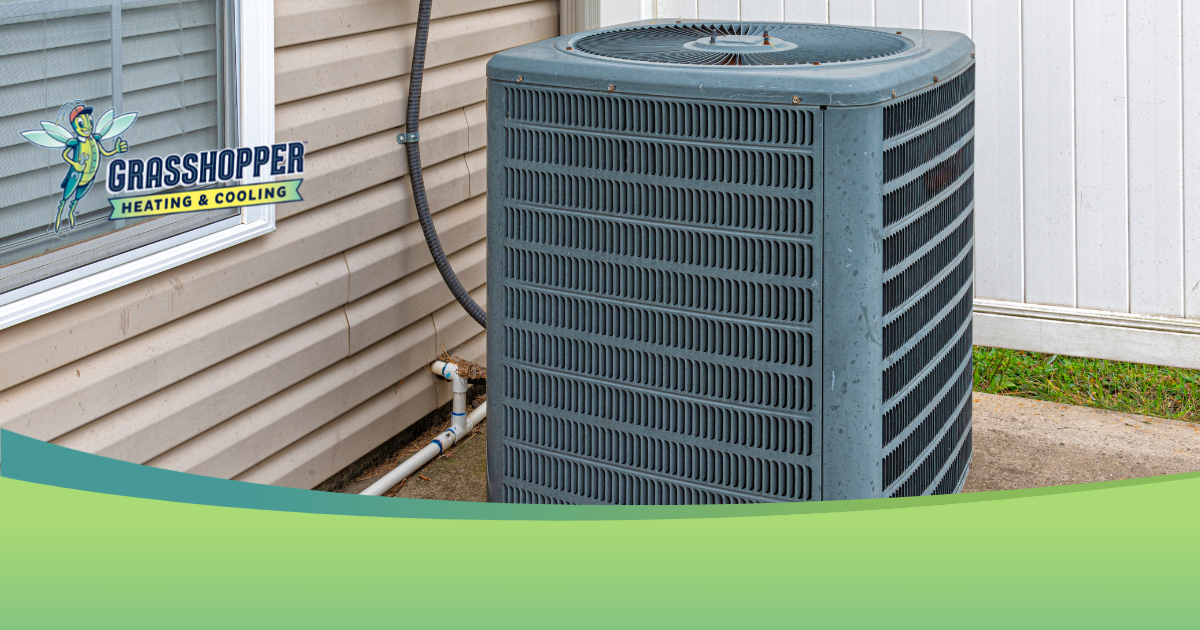
Dirty filters force your system to work harder, increasing energy consumption and shortening equipment life. Keep outdoor units clear of debris like leaves, grass clippings, and plants that can obstruct airflow and damage components.

Smart Technology and Home Improvements for HVAC System Care

Installing a programmable or smart thermostat is one of the most effective ways to extend HVAC life. These devices allow you to create customized temperature schedules that reduce system runtime when you’re away or sleeping.

Smart thermostats can learn your preferences and make automatic adjustments, potentially saving you 10% to 15% on heating and cooling costs while reducing strain on your equipment. They also provide valuable system performance data that can help you identify efficiency problems before they cause damage.

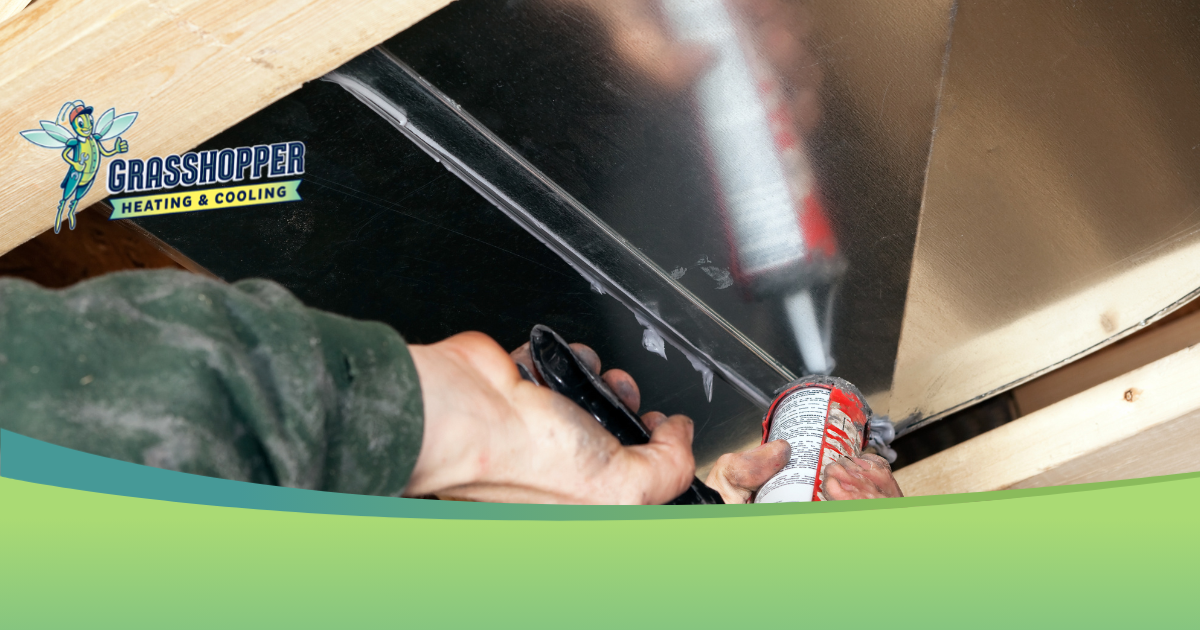
Improving your home’s insulation and sealing air leaks directly contributes to HVAC system care. Also, check for drafts around windows and doors, and consider adding insulation to your attic or walls if needed. 

Recognizing Warning Signs and Taking Prompt Action

If you’re wondering how to extend the lifespan of your HVAC systems, you should know what problems to watch out for. Unusual noises, inconsistent temperatures, or sudden increases in energy bills often signal developing issues.

Address these warning signs immediately rather than waiting for a complete breakdown. Strange sounds like grinding, squealing, or banging typically indicate mechanical problems that will worsen if ignored.

Our Guide to HVAC Excellence

Don’t let your comfort system fade before it’s time! Prolonging HVAC system life is an investment that pays off through improved comfort and lower utility bills. Now you know how to extend the lifespan of your HVAC systems with our tips every homeowner should know.

If you need more help, call Grasshopper Heating, Cooling, Plumbing & Electrical today at (518) 252-7939 to schedule professional maintenance with our crew!

Why Winter HVAC Inspections Are Essential

As temperatures drop and your heating system kicks into high gear, you might wonder if your HVAC system is ready for the demands of winter. Even in regions with mild winters, your heating system works overtime to keep your home comfortable and warm.

At Grasshopper Heating, Cooling, Plumbing & Electrical, we understand the role of preventive maintenance in keeping your HVAC system running efficiently throughout the cold season. In this guide, we’ll explain why winter HVAC inspections are essential, what they include, and their financial benefits.

Winter HVAC Safety Concerns and Their Impact on System Efficiency

Your heating system becomes your home’s lifeline during winter months. A properly maintained HVAC system not only ensures your comfort but also protects your family’s safety. Regular winter inspections help identify potential hazards like carbon monoxide leaks, electrical issues, or worn components that could lead to system failure.

Professional technicians examine critical components during a winter inspection:

  • Heat exchanger integrity and combustion efficiency
  • Electrical connections and safety controls
  • Ventilation systems and air quality monitors
  • Gas line connections and pressure readings
  • Thermostat calibration and programming

These inspections also boost your system’s efficiency. When components are clean and properly adjusted, your heating system requires less energy to maintain comfortable temperatures. This translates directly into lower utility bills and reduced environmental impact.

How Regular HVAC Maintenance Helps Boost Heater Productivity and Longevity

Just as your car needs regular maintenance to run reliably, your HVAC system requires consistent professional care. System reliability depends on fixing small issues before they turn into major problems. By scheduling winter HVAC inspections, you’ll protect your system from premature wear and extend its lifespan.

Invest in regular maintenance and you’ll protect your HVAC system from unnecessary strain. A complete winter inspection includes:

  • Cleaning or replacing air filters to improve airflow
  • Lubricating moving parts to prevent wear
  • Testing and calibrating system controls
  • Checking and tightening electrical connections
  • Inspecting ductwork for leaks and damage

Long-Term Financial Benefits of Winter HVAC Inspections

Smart homeowners recognize that preventive HVAC maintenance saves money in multiple ways. Beyond the obvious energy savings from improved efficiency, regular inspections help you avoid costly emergency repairs during the coldest days of winter.

Studies show that properly maintained HVAC systems consume up to 25% less energy than neglected units, potentially saving hundreds of dollars annually on heating costs. Additionally, addressing minor repairs during scheduled maintenance costs significantly less than emergency service calls.

Most manufacturers require proof of regular maintenance to maintain warranty coverage. Without documented inspections, you could face denied warranty claims for major component failures. The small investment in winter inspections protects both your equipment warranty and your budget from unexpected repairs.

Trust Grasshopper Heating, Cooling, Plumbing & Electrical for Reliable Winter HVAC Inspections

Now that you understand why winter HVAC inspections are essential, take action before issues develop. Avoid costly emergency repairs and ensure reliable heating when you need it the most. 

Call Grasshopper Heating, Cooling, Plumbing & Electrical today at 518-216-0051 to schedule your winter HVAC inspection in Clifton Park, New York, and ensure your system runs reliably all season long. Our trained technicians deliver comprehensive heating system inspections that protect your comfort and investment.

Why your furnace smells

SOLVED! 6 Reasons Why Your Furnace Smells & What It Means

Understanding Furnace Odors and Their Causes

If you’ve ever noticed an unusual smell coming from your furnace, you’re not alone. Furnace odors can range from harmless to hazardous, and understanding what these smells mean is critical for maintaining a safe and efficient home heating system. Below, we’ll break down common furnace odors, their potential causes, and the appropriate steps to address them.

1. Furnace Smells Like Burning

When you first turn on your furnace in the fall, you might notice a burning smell. This is typically caused by dust and debris that accumulate on the furnace’s components during the offseason. As the furnace heats up, this material burns off, releasing an odor through the ductwork.

What to Do:

  • Allow the furnace to run for a few hours. The smell should dissipate on its own.
  • To prevent this odor, schedule a cleaning of your furnace and evaporator coil before the heating season begins.

However, if the burning smell persists or changes to a metallic or electrical burning odor, it could signal overheating furnace components or frayed wiring. In such cases, shut off your furnace immediately and contact a professional HVAC technician. Ignoring these signs can increase the risk of a house fire.

2. Furnace Smells Like Gas or Rotten Eggs

A gas or rotten egg smell is a clear warning sign of a natural gas leak. Gas companies add a sulfur-like odor to natural gas for easy detection.

Immediate Steps:

  1. Turn off your gas supply using the shutoff valve if it’s safe to do so.
  2. Leave your home immediately.
  3. Call 911 and your gas company to report the leak.

Symptoms of natural gas exposure include headaches, dizziness, nausea, and breathing difficulties. Seek medical attention immediately if you experience any of these symptoms.

In rare cases, a rotten egg smell could be caused by issues with nearby sewer lines, such as a dry sewer trap. Pouring water down your floor drain can often resolve this issue. If the smell persists, contact a professional plumber.


Helpful resources: Report a Gas Emergency (National Grid) | Natural Gas Safety (NYSEG)


3. Furnace Smells Like Dust

A dusty smell is common and usually stems from dust accumulation in the air filter, air ducts, or furnace during the cooling season.

What to Do:

  • Replace or clean your air filter regularly—every three to six months, depending on the type of filter.
  • Consider professional duct cleaning if dust buildup is excessive.

Dirty filters restrict airflow, reducing your furnace’s efficiency and increasing heating costs.

4. Furnace Doesn’t Smell but Carbon Monoxide Detector is Going Off

A silent but deadly problem can occur if your carbon monoxide detector activates, even without a noticeable smell. This often indicates a cracked heat exchanger, a crucial furnace component that vents dangerous gases.

Signs of a Cracked Heat Exchanger:

  • A sweet or formaldehyde-like smell may occasionally accompany carbon monoxide leaks.

Why Heat Exchangers Fail:

  • Incorrectly sized furnaces causing excessive stress.
  • Frequent short cycling, leading to rapid heating and cooling of the metal.
  • Clogged air filters that cause overheating.
  • Lack of regular maintenance.

What to Do:

  • Turn off the furnace immediately and ventilate your home.
  • Contact a professional HVAC technician to inspect and repair your system.

Regular furnace maintenance and functional carbon monoxide detectors are critical to preventing this life-threatening hazard.

Suggested reading: Exploring Heat Exchangers: How They Work and Why They’re Essential

5. Furnace Smells Damp or Musty

A musty or damp smell often indicates water has seeped into your furnace. This can happen due to a loose hose connection or issues with the furnace’s drain pan.

What to Do:

  • Check for loose connections and clean up any visible water.
  • If the smell persists, consult a professional technician for HVAC repair.

Persistent dampness can lead to mold growth, which can harm indoor air quality and exacerbate respiratory issues.

Why Does My Furnace Smell? Understanding Furnace Odors and Their Causes

If you’ve ever noticed an unusual smell coming from your furnace, you’re not alone. Furnace odors can range from harmless to hazardous, and understanding what these smells mean is critical for maintaining a safe and efficient home heating system. Below, we’ll break down common furnace odors, their potential causes, and the appropriate steps to address them.

6. Furnace Smells Like Car Exhaust

A car exhaust smell may suggest problems with your furnace’s venting system. Furnaces vent gases like carbon monoxide through a pipe, and any obstruction can cause these gases to back up into your home.

Steps to Take:

  • Inspect the vent pipe for blockages like snow, ice, or bird nests.
  • For high-efficiency furnaces, ensure PVC pipes are clear of debris.

If you’re unsure, always consult a heating professional to inspect and clear the venting system.

Conclusion & Next Steps

Furnace odors can be alarming, but many are preventable with proper care and maintenance. By recognizing the signs and taking appropriate action, you can ensure a safe, efficient, and odor-free heating system for your home. Always prioritize safety and consult professionals when in doubt. If you need a trusted HVAC expert to come take a look, contact the pros at Grasshopper Heating, Cooling, Plumbing & Electrical.

Heat Pump Troubleshooting: Common Issues and Solutions

When you don’t have a comfortable climate inside your home because of a malfunctioning heat pump, you may be unsure of what to do. Could you try a couple of heat pump troubleshooting techniques before you reach out for repair? Usually, it’s a smarter option to call for professional heat pump service from locals like Grasshopper Heating, Cooling, Plumbing & Electrical.

Read on to learn more about some common issues that can affect your heat pump efficiency.

Heat Pump Won’t Start

Heat pumps that won’t start when you need them for heating or cooling could have many different causes for acting up. For example:

  • Always check for a dirty air filter. Replace it with a clean one to see if the heat pump responds.
  • Recalibrate the system. Improper calibration of the thermostat settings could cause an issue. Look at the thermostat and make sure it’s ready to run with a fresh battery. 
  • Check the status of the outdoor unit. Make sure you don’t have tree branches or other plants blocking the airflow around the heat pump’s outdoor unit. Free air movement helps the system avoid overheating and allows for proper heat dissipation.

During winter, heat pumps can also end up with a layer of frost or ice on them. Turn on the heat pump’s defrost mode or call for repair help.

Heat Pump Won’t Stop Running

A heat pump that won’t stop running is a sign of a major problem. The unit should shut down for a few minutes at least a few times per hour, even in extremely hot or bitterly cold weather.

Check the thermostat’s settings. What’s the status of the filter? These could both be causing a constantly running heat pump.

Leaking Liquid Near the Heat Pump

If you notice liquid on the ground near a heat pump that isn’t running properly, you might have a refrigerant leak. This problem goes beyond simple heat pump troubleshooting. You need to call our heat pump repair experts for help right away.

A lack of refrigerant can cause the system to operate inefficiently or to break down prematurely. However, the more immediate problem is the substance itself. Leaks can harm nearby plants or put your pets and children in danger upon contact with the refrigerant.

Odd Noises and Smells

If you notice odd noises or smells coming from the heat pump, it could indicate:

  • A loose part
  • A failing motor
  • A refrigerant leak
  • A wiring problem
  • An overheating system

You rarely can fix the various problems that cause odd smells and noises on your own. Call a repair technician. These problems worsen over time without intervention.

Let Grasshopper Heating, Cooling, Plumbing & Electrical Help Fix Your Heat Pump

If your heat pump troubleshooting techniques aren’t working to give your home the comfort you want, it’s time to reach out for help. At Grasshopper Heating, Cooling, Plumbing & Electrical, we deliver repair services that will have your heat pump running like new again. To set up an appointment or to learn more about why your heat pump may be malfunctioning, call us today at (518) 545-3271.

Exploring Heat Exchangers: How They Work and Why They’re Essential

Just about every household HVAC system uses a heat exchanger. Other, larger mechanisms may use them for temperature maintenance and energy conservation, but how do these components work?

There are two things people want to know when exploring heat exchangers: how they work and why they’re essential. Grasshopper Heating, Cooling, Plumbing & Electrical’s staff hold the proper licensing and training for these types of HVAC technologies. Here are the basics regarding heat exchangers and why they make your property’s heating, ventilation, and air conditioning systems work.

What Are Heat Exchangers, and Why Do We Use Them?

You’ve learned about three basic states of matter – gasses, liquids, and solids – that can each contain thermal energy. Heat exchangers transfer heat between gasses and liquids. That ability to “exchange” heat is how manufacturers can design machines to stay at a reasonable temperature as they operate. 

Overheated HVAC components start fires, cause explosions, and lead to catastrophic system failures, so heat transfer is vital. The main reason a unit’s heat exchanger is so essential is that it reduces safety hazards and prevents injuries in residential, commercial, and industrial applications. Another reason heat exchangers are critical is that they’re how some appliances heat and cool – one example is a heat pump.

Types of Heat Exchangers

You only need to know two basic things when exploring heat exchangers: how they work and why they’re essential. However, heat exchanger types are important, too. These are the four common heat exchangers technicians use:

#1 Shell-and-Tube

This version utilizes several tubes inside a cylindrical shell, with liquids running through each of these two areas. Heat energy inside the tube liquid transfers to the shell liquid, cools, and returns to the system. Shell-and-tube exchangers work best in power plants and oil refineries for controlled fluid heating.

#2 Plate-and-Frame

Plate-and-frame heat exchangers rely on stacks of thin, grooved plates with gaps between them for liquid. The large surface area on the plates increases their thermal efficiency, so the liquids exchange thermal energy through the plates. Food and chemical processors use plate heat exchangers to stabilize fluid heat levels with little to no loss in liquid pressure.

#3 Air-to-Air

Many air-to-air heat exchangers use refrigerant, a substance that changes from gas to liquid and back again. Refrigerant heats up when under pressure, and to cool it, HVAC systems will blow cool air over the coils or reduce the pressure levels. Most air conditioners and other ventilation systems use fans to blow hot or cold air over the refrigerant tubes to exchange thermal energy.

#4 Double-Pipe

Double-pipe exchangers have a smaller pipe inside a larger one. They work like the shell-and-tube heat exchanger on a smaller scale. A system like this works best for smaller industrial plants or as temperature management for certain renewable energy systems.

New York’s Leading Company for HVAC Care

That’s all you need to know when exploring heat exchangers: how they work and why they’re essential in your property’s heating and cooling. If you’re in New York, learn more by calling (518) 252-7939 or visit Grasshopper Heating, Cooling, Plumbing & Electrical’s contact page for a free quote today!

Factors To Consider When Choosing a Heating System

Comparing the heating system options for your Albany home can feel overwhelming. It doesn’t help that almost everyone has an opinion about the “best” way to keep your home warm, but in actuality, there’s no one-size-fits-all solution. What’s right for someone else’s home might not work in yours.

Although your budget is undoubtedly a big part of the decision-making process, there are other factors to consider when choosing a heating system. To get started, focus on these considerations to ensure you get the most cost-effective and energy-efficient equipment. 

What To Think About When Buying a New Heating System 

To get the most for your money and enjoy consistent and reliable heat, compare your options using this checklist. 

Size and Heating Capacity 

Can the heating system warm your home the way you want it to? A system that’s too small won’t produce enough heat, while an oversized furnace will use excessive energy. Your home’s square footage and number of rooms are part of the calculation, but HVAC professionals also take into account your home’s orientation, insulation, and the number of people who live there when calculating the perfect heater size. 

You cannot overlook climate suitability, either, as one of the factors to consider when choosing a heating system. New York winters can be brutal, so a heating system that can keep up with frigid temperatures that consistently drop well below freezing is non-negotiable. This usually means a traditional combustion furnace is the best choice for most homeowners.

Heat pumps offer exceptional energy efficiency, but because they work by transferring heat, they’re not always the best choice for an area that frequently experiences subzero temperatures. 

Energy Source 

Heating systems can get energy from oil, gas, or propane, as well as electricity. When choosing your system, you’ll need to compare the cost of running the furnace as well as the availability and convenience of the energy source. If you already have an oil or propane furnace, you may opt to stay with that style since you likely already have the storage tank in place. 

Energy Efficiency

The U.S. Department of Energy rates furnaces using the Annual Fuel Utilization Efficiency (AFUE) rating to measure the energy efficiency of furnaces, and the Heating Seasonal Performance Factor (HSPF) to rate heat pumps. The higher the efficiency rating, the less it costs to operate the system. 

Overall Cost 

The price of the furnace or heat pump isn’t the only expense to consider. Look at how much you’ll spend to own it, including installation costs and maintenance requirements, when comparing options. Some systems might seem expensive upfront but are actually more affordable over the life of the unit.

Get Help From the Local Experts 

Albany, NY, homeowners who need help making sense of the factors to consider when choosing a heating system can get help from Grasshopper Heating, Cooling, Plumbing & Electrical. 

Call (518) 252-7939 and one of our experienced HVAC professionals can help you navigate these issues and find the perfect solution for your needs and budget. 

Our crew will manage the installation, too, ensuring flawless operation and thermostat compatibility so your home stays comfortable, despite the cold weather. 

Emergency HVAC Repair: Your Guide to Handling System Breakdowns

Imagine your cozy cocoon suddenly morphing into an icebox as the heating system sputters to a halt, or your haven transforming into a sauna when the air conditioning bows out without so much as a warning. These are not just inconveniences; they signal an emergency in the heartbeat of your home—your HVAC system.

Navigating the tumultuous waters of emergency HVAC repair can feel like decoding a cryptic map without a compass, but fret not. Armed with the right knowledge, you can transform from a distressed homeowner into a savvy guardian of your climate comfort.

Identifying Your HVAC Emergency: When to Call for Help

The key to weathering this storm lies in your ability to quickly identify the warning signs that scream for immediate attention. Ignoring these signs is akin to sailing into the tempest with battle-worn sails; it only magnifies the risk of substantial damage, transforming a salvageable situation into a catastrophic one.

Before you reach for the phone in a panic, it’s imperative to assess your system’s symptoms with a discerning eye. This critical evaluation serves as your compass, guiding you to make informed decisions about whether to summon professional aid or apply a temporary patch.

Recognize the Signs That Require Immediate Attention

At the heart of discerning when to call for help is recognizing the signs that demand immediate attention: the shrill cry of metal against metal, the acrid scent of overheating wires, or the utter silence when your furnace refuses to awaken in the heart of winter. These are not mere inconveniences but clarion calls for emergency intervention. No homeowner should turn a deaf ear to these ominous whispers of impending doom, for they herald a critical point where delay could spiral into disaster.

  • Complete loss of heating or cooling, transforming your home into an icebox or sauna, signals a system’s cry for urgent help.
  • Strange noises—the clanks, bangs, and whistles—become a haunting symphony indicating mechanical distress.
  • Burning smells or the unmistakable odor of gas whisper threats of danger, necessitating immediate action to avert potential tragedies.
  • Noticing ice formation on the outdoor unit during summer, or the indoor coils freezing over points to refrigerant issues or airflow obstructions.
  • The sight of water pooling around your furnace or air handler suggests a leak or a condensation issue that, left unchecked, could invite mold or structural decay.

Preparing for the HVAC Technician’s Arrival

As you find yourself standing on the precipice of an emergency HVAC repair, anticipation building with every tick of the clock, the preparation for your technician’s arrival becomes your next crucial step.

This moment is more than a mere waiting game; it’s an opportunity to streamline the repair process, ensuring that when help arrives, they can dive straight into the heart of the issue without delay. Don’t overlook the basics—verify the status of your thermostat and circuit breaker, as these can sometimes offer simple solutions or reveal larger problems.

Facilitating easy access to your HVAC system isn’t just about opening doors; it’s about ensuring a swift, unencumbered path to diagnosis and repair, paving the way for a quick return to comfort and safety.

Tips for Choosing a Reliable Emergency HVAC Service

In the labyrinth of unexpected HVAC breakdowns, equipping yourself with knowledge about reliable emergency services transforms from a mere advantage to a necessity. Embarking on the quest for the right service provider before calamity strikes is like planting a beacon of hope in an otherwise dark situation.

Seek out local HVAC heroes who stand guard around the clock, ensuring their commitment to your safety with 24/7 emergency service availability. Diving into the sea of reviews and testimonials offers a glimpse into the experiences of those who have navigated these treacherous waters before you.

Certification assures a technician’s prowess in facing down even the most daunting HVAC issues.

What to Expect During an Emergency HVAC Repair Visit

Embarking on an emergency HVAC repair journey invariably begins with the palpable tension of the unknown—what exactly went wrong, and how swiftly can normalcy be restored? As you brace yourself, the initial phase unfurls with a comprehensive assessment and diagnosis of the issue, a crucial step where the veils of uncertainty begin to lift, revealing the heart of the problem.

This clarity leads to a candid conversation about repair options and costs, providing a transparent overview that empowers you to make informed decisions aligned with your comfort and budget.

Moreover, understanding the timeframe for repair and parts availability becomes a beacon of hope, illuminating the path to resolution.

This sequence of steps, while daunting, is navigated with the expertise of your chosen professional, ensuring a journey toward restoration rather than a voyage into deeper distress.

How to Minimize Future HVAC Emergencies

As the dust settles following an emergency HVAC repair, your journey toward safeguarding your home against future breakdowns begins.

The significance of recognizing safe operation practices and interpreting the whispers of maintenance needs cannot be overstated—these are the cornerstones of preventing minor issues from escalating into full-blown emergencies.

Moreover, the foresight to undertake timely repairs and consider upgrades when necessary acts as your beacon, guiding you through the fog of potential system failures toward a horizon of uninterrupted comfort and reliability.

Understanding the Costs Associated With Emergency HVAC Repairs

Stepping into the financial landscape of emergency HVAC repair can often feel like navigating a maze without a map. Understanding how these fees are structured is crucial, as it arms you with the knowledge needed to anticipate and plan for these expenses.

Breakdown of Typical Emergency Repair Costs

Embarking on emergency HVAC repairs ushers you into a realm where understanding the financial nuances becomes as critical as the technical repair itself. The gamut of expenses spans labor, which often includes a premium for after-hours, weekend, or holiday service, and the cost of parts, which can vary significantly based on the nature of the breakdown and the specific system components affected. Navigating this landscape demands a keen awareness of these potential costs, preparing you to meet them without undue pressure on your finances.

Call the Grasshopper Experts Today!

Opting for trusted emergency HVAC services with proven track records and the necessary certifications ensures quality and reliability. Regular maintenance, attentive operation, and timely upgrades are key strategies to minimize future emergencies.

Understanding and planning for repair costs, including labor and potential after-hours charges, equip homeowners to navigate financial aspects confidently. Overall, a proactive, informed approach to emergency HVAC repairs paves the way for a swift return to comfort and normalcy while optimizing long-term system health and efficiency.

Spring into Action: Wake Up Your AC from Winter Slumber!

As we transition into a new season and the world bursts into color, it’s time to refresh our homes too, starting with slumbering air conditioners. 

Reactivating your AC goes beyond a simple switch flip—it’s a meticulous journey to guarantee comfort, efficiency, and dependability as temperatures rise. From unclogging filters to recalibrating the thermostat, it must be done with care and precision.

Kickstart Your AC: Essential Steps for Spring Awakening

Transitioning your AC from its winter slumber to springtime readiness is a pivotal step in ensuring your home remains a sanctuary of comfort as the seasons change.

Grasshopper Heating, Cooling, Plumbing & Electrical recommends your first move is to always have a meticulous evaluation of the unit for any visible damage that may have occurred during the colder months.

With an eagle eye, delve into inspecting signs of rust, wear, or any hazard that might compromise its efficiency. Following this, great emphasis should be placed on clearing any debris, such as fallen leaves or twigs, around the outdoor unit.

This simple yet crucial step aids in maintaining unobstructed airflow, which is key to optimal performance.

Lastly, checking and tightening electrical connections is a task the professionals at Grasshopper carry out with precision.

Given the intricate dance between electricity and the machine’s components, this ensures safety and functionality, preventing any unforeseen interruptions in service.

These initial actions are a launching pad into the broader realm of AC readiness for the warmer days ahead.

Deep Cleaning Before Summer Hits

Embarking on the journey toward summer, ensuring a deep clean of your AC system becomes imperative to maintain its efficiency and extend its lifespan.

The task begins with paying close attention to the air filters—these are the first line of defense against particulates and dirt, and whether they need cleaning or replacing can make a significant difference in air quality and system performance.

Next, the focus turns to the heart of the outdoor unit, the condenser coils and fins.

These components, crucial for heat exchange, often harbor dirt and debris that can impair the system’s ability to cool your home effectively.

Lastly, the drainage system demands a thorough check.

A clogged drain line is more than a nuisance; it can lead to water damage and impact indoor humidity levels, creating a less-than-ideal indoor environment.

Each of these steps plays a foundational role in prepping your AC for the relentless heat to come, ensuring it operates smoothly, efficiently, and safely.

Clean or Replace Your Air Filters

One of the most transformative actions to take each spring involves addressing the condition of your AC’s air filters. These filters function as gatekeepers, purifying the air that circulates through your home by trapping dust, pollen, and other airborne particulates. It’s imperative to either thoroughly clean or replace these filters to ensure that the air quality in your home remains optimal and that your AC operates without unnecessary strain.

Clean the Condenser Coils and Fins

These components are instrumental in the heat exchange process and vital for cooling your home efficiently. You gently hose them down, removing layers of dirt and grime that have built up, mindful of not bending the fragile fins. This act, while seemingly minor, significantly boosts the unit’s performance by ensuring the air flows freely and the heat exchange occurs as intended.

Check the Drain Line for Blockages

Proceeding with your spring AC tune-up, shine the spotlight on the drainage system, particularly inspecting the drain line for any possible blockages. It’s a well-known fact that a clogged AC drain line not only poses the risk of water damage but can also elevate indoor humidity levels, detracting from the comfort of your home. By ensuring the drain line is clear, you are actively preventing unwanted moisture issues that could lead to mold growth or other water-related problems.

Testing the System Before Daily Use

As the sunnier days draw near and we edge closer toward a season filled with warmth and vibrant growth, ensuring your AC system transitions smoothly from the quiet of winter to the buzz of spring is imperative.

The process doesn’t just end with cleaning and physical inspection; it’s equally crucial to power up your system and give it a thorough test run before settling into a routine of daily use.

For me, this involves a few critical actions: adjusting the thermostat to cooling mode to coax the system back to life, attentively listening for any unusual noises during startup that might signal an urgent need for AC repair in spring, and closely monitoring the cooling efficiency during the initial hours of operation to confirm everything is functioning as expected.

These steps form the crux of your approach, allowing me to address potential issues early and ensure your home remains a cool haven as temperatures climb.

Setting Up Your AC for Optimal Spring Performance

Shifting into the spring season, you must fine-tune your AC’s settings for peak efficiency and comfort.

The cornerstone of this transition revolves around two pivotal actions: adjusting your thermostat settings for the spring and programming it for an energy-efficient temperature range.

This isn’t just about embracing the warmer weather; it’s about doing so smartly and sustainably.

Always aim to strike a balance between maintaining a comfortable indoor climate and optimizing energy use, ensuring that your home remains a haven of comfort without unnecessary energy consumption.

Tailoring the thermostat to spring’s unique demands, sets the stage for a season of efficient cooling, preparing your AC to respond seamlessly to the fluctuating temperatures that define this time of year.

Professional Maintenance: When to Call in the Experts

Transitioning your AC system from a dormant state to fully operational for springtime involves a series of precise steps, most of which you can handle personally.

However, recognizing when to seek professional help is crucial to guaranteeing the system’s longevity and optimal performance.

Identifying issues that might require expert intervention, scheduling a preseason maintenance check-up, and voicing any performance concerns are actions that necessitate the keen eye and skilled hands of a specialist.

Spotting Problems That Require Expert Intervention

Even with your careful inspections and diligent maintenance, there are times when issues arise that are beyond your expertise. Recognizing signs of distress in your AC unit, such as persistent unusual noises, a significant drop in cooling efficiency despite all maintenance efforts, or an unexpected spike in your energy bills, signals it’s time to call in the professionals. These are not mere quirks but potential red flags indicating deeper problems that require expert intervention.

It’s essential to understand that some AC troubles, like a coolant leak or electrical issues that lead to inconsistent cooling, are not just inconvenient but could pose serious risks if mishandled. In instances like these, you don’t hesitate to reach out for professional help. The expertise that technicians bring to the table ensures that any complex issues are accurately diagnosed and resolved. This not only safeguards your home’s comfort but also extends the life of your AC system, making professional maintenance a critical component of your springtime AC preparations.

Schedule a Preseason Maintenance Check-Up

Anticipating the shift to warmer days, prioritize scheduling a preseason maintenance check-up with a trusted HVAC professional. It’s an action that underscores your commitment to ensuring your cooling system is not merely functional but operates at peak efficiency as spring ushers in the need for consistent cooling.

This preemptive step allows a seasoned technician to scrutinize every aspect of the system, from electrical connections and refrigerant levels to the overall operational integrity. Securing a professional’s evaluation guarantees that your AC is primed for the spring and summer months, providing peace of mind and the promise of uninterrupted comfort.

Discuss Any Concerns About Your AC’s Performance

Engaging in an open dialogue with professionals about your AC’s performance is a step to never overlook. Expressing any concerns, whether they’re about strange sounds or the system struggling on hotter days, enables the technicians at Grasshopper to tailor their approach to suit your specific needs.

Maintaining Indoor Air Quality as Seasons Change

As the spring season unfolds, the attention you give to your AC system extends beyond just mechanical efficiency; you equally prioritize the quality of air circulating through your home.

With allergens like pollen at their peak, maintaining indoor air quality becomes indispensable.

To this end, consider an upgrade to a higher-efficiency air filter, integrating air purifiers into rooms most affected by allergies, and committing to a regular cleaning schedule for vents and registers throughout your house.

Your Trusted HVAC Professionals

Transitioning your AC from its winter hibernation to spring action is crucial for ensuring your home stays comfortably cool and energy-efficient as temperatures rise. The process begins with a thorough inspection of the unit for any damage or wear and the removal of debris around the outdoor unit to maintain airflow.

It’s vital to check and tighten electrical connections for safety and functionality. Deep cleaning, especially of air filters, condenser coils, fins, and the drain line, is paramount to prevent blockages and maintain efficiency.

Equally important is testing the system, adjusting the thermostat to cooling mode, and listening for unusual noises to catch potential issues early. Setting your thermostat for spring temperatures and opting for an energy-efficient range can substantially reduce energy costs.

Recognizing when to call in professionals for maintenance or issues beyond one’s expertise ensures the longevity and optimal performance of your AC unit. Overall, carefully transitioning your AC for spring guarantees not just a cool home but also a healthy, energy-efficient environment as we embrace the warmer months.

When Should I Schedule Boiler Repair Near Me?

Scheduling prompt boiler repair near Clifton Park or surrounding areas can prevent your hydronic heating system from breaking down. Since your boiler provides heating and hot water, it should be fixed quickly. Boilers operate at high temperatures and pressures, so there are also safety considerations. Call the team at Grasshopper Heating, Cooling, Plumbing & Electrical if you experience any of the issues we’ll detail in this article.

Signs You Need Boiler Repair

If you have no heat or hot water, that’s a sign your boiler isn’t working. Your home may be cold even if you set the thermostat to “Heat”. However, there are several signs your boiler may need repair or is on the brink of a complete breakdown. Call us for immediate boiler repair near you for signs such as:

  • Water Leak: Boilers contain water, so some people think a periodic leak is normal. A leak is never a good sign. Some leaks can be fixed inexpensively. However, water can spread quickly and lead to costly damage to your home. A boiler leak is often a sign of a hidden problem, such as corrosion, a damaged seal, a broken valve, or a faulty connection.
  • Strange Odor: A foul smell may occur if the boiler isn’t burning properly or if there’s bacterial growth inside it. A rotten egg smell often indicates a gas leak. If your boiler is releasing bad odors, it may also have an issue that’s potentially causing a carbon monoxide leak. 

You can’t smell carbon monoxide, but it is dangerous and often deadly, so evacuate the building and call for help. Signs of exposure include headaches, nausea, breathing problems, and loss of consciousness. 

  • Yellow Burner Flame: The pilot light should be blue. If the flame is yellow, there may be a carbon monoxide leak. Call for emergency boiler service. Also, contact your local heating repair company if the pilot light keeps going out. A gas supply issue, faulty thermocouple, or poor airflow may be the cause.
  • Loud Noise: The occasional rumbling or popping from your boiler doesn’t signify immediate danger. However, if you hear loud banging, whistling, gurgling, clunking, whirring, or other sounds, there’s a problem somewhere in the unit. The noises can be indicative of issues ranging from a bad pump or fan to low water pressure to mineral buildup. Prompt repairs can prevent a minor issue from escalating to a boiler breakdown or failure.
  • Water Isn’t Hot Enough: If the water in your home is lukewarm or not getting hot enough, the boiler’s heating element may need to be replaced. Various other problems can cause issues with water heating. Our technicians have the tools and expertise to thoroughly check the system and find and fix any issues.
  • Low Water Pressure: A sudden pressure drop can prevent your boiler from distributing heated water effectively. Low water pressure can indicate a leak, malfunctioning pressure relief valve, or bleeding radiator. If the pressure drops below a certain level, a safety cutoff switch will automatically turn the boiler off.
  • Condensation: If there’s excess condensation or the area around your boiler is suddenly damp, a heat exchanger or other problem may be the cause. Condensation around a new boiler can mean it was improperly installed.
  • Your Energy Bill Goes Up: If you have a boiler and your energy bill suddenly spikes, a professional may be able to repair it quickly. An aging boiler causing high energy bills may be near the end of its life. Call for help if your energy bills increase with no change in usage. You can prevent or delay such an issue with regular maintenance; however, wear and tear can eventually impact a boiler’s efficiency.

How Much Do Boiler Repairs Cost?

Boiler repairs generally cost a few hundred dollars. The actual cost varies depending on the type of repair or part that needs to be replaced. Major repairs can be even more expensive.

Is It Worth Repairing My Boiler?

When your boiler needs a repair, you may consider replacing it. Whether a repair is worth it depends on the frequency and cost of repairs (replace the unit if fixing it costs nearly as much as a new boiler). Also, consider the unit’s age. If your boiler is nearly 15 years old and needs a major repair, replacement is a good option.

Call Grasshopper for Boiler Repair Near You

If you live in or near Clifton Park, NY, and experience a boiler problem, contact Grasshopper Heating, Cooling, Plumbing & Electrical. We’re available 24/7 in case you have an emergency. Our certified professionals can provide any type of boiler repair or replace the unit with a high-efficiency system. To request prompt service and learn about financing and options, call (518) 252-7939 today.

8 Reasons to Consider Water Heater Replacement Now

Generally, tank-based water heaters last 8 to 12 years (tankless units are known to last up to 20 years), but there are reasons to consider water heater replacement at any time, regardless of the unit’s age. A person uses hot water up to 20 times a day on average. Therefore, a water heater undergoes a considerable amount of wear and tear during its lifetime. Signs of a failing system should be noticeable, although some appear more subtly as the system ages.

We’ll look at the reasons to replace a water heater in Clifton Park now, so you’re not suddenly without hot water and waiting for a new unit.

1. Inconsistent Water Temperatures

No hot water is surely a sign your water heater needs attention. However, the symptoms of a declining system are often more subtle. Hot water should be between 120℉ and 140℉ and stay at the set temperature. In other words, it should be consistently hot. If the water temperature suddenly starts fluctuating between hot and cold and back again, or hot water starts running out much faster than before, it’s time to consider water heater replacement.

2. Hot Water Looks Rusty

Rust is not good, no matter where it shows up. If your hot water is coming out brown or rusty-looking, chances are there’s corrosion inside the water heater tank. Call a professional if this is so or if you see discolored or cloudy water. The issue could be due to old pipes. But if your water heater is getting up there in age, it could be contributing to rusty tap water.

3. Poor Water Quality

A defunct water heater may not only release water that looks rusty. Water quality may be unsafe. Poor temperature regulation can allow bacteria, many of which can cause illnesses, to form in the water. If tap water has a metallic smell and taste, corrosion in the tank may be wearing it out and causing the lining to deteriorate and break up. Therefore, your water supply ends up filled with particles that shouldn’t be there. 

4. The Water Heater Is Noisy

Tank sediment becomes more problematic as water heaters age. Loud rumbling or banging sounds mean hardened minerals and particles are heating up and being pushed around in the tank, which can eventually cause it to crack. Nonetheless, there can be various sources of noise. If your water heater is becoming louder, it’s best to call a technician to inspect it, find the source, and determine whether you need a repair or water heater replacement

5. Water On or Around the Unit

Whether you see water dripping down the side of the water heater or pooling around its base, it’s not a good sign. The tank has likely eroded and is in danger of failing. Leaks can also be caused by loose connections or old pipes. Condensation is another issue to look for; it often causes small pools of water to appear intermittently but can indicate a potentially serious problem. Call a professional if you see any water outside your water heater.

6. Frequent Repairs Are Needed

Even if your water heater is in mid-life, frequent repairs will cost you more than necessary. Premature wear can be due to heavy usage or a lack of maintenance. If you’re calling a plumber once every few months to fix your water heater, replacing it can save you the cost of dealing with more repairs in the future. 

7. Increasing Utility Bills

Hikes in utility rates aren’t uncommon. However, steady or sudden spikes in your water bill are suspicious. Your water heater may be leaking or running inefficiently. Also, monitor your electric bill. If your water heater is working harder to maintain a consistent supply of hot water, replacing it may be the only way to keep your utility bills in check.

8. The Water Heater Is Over 15 Years Old

Kudos if your water heater has lasted this long. But is it working as well as it once did?
The system is most likely less efficient and there’s a higher risk of it breaking down, leaving you without hot water. Schedule an inspection by a licensed plumber as soon as you can. They’ll help determine its condition and whether you have a reason to consider water heater replacement.

Clifton Park, NY Water Heater Replacement Company

At Grasshopper Heating, Cooling, Plumbing & Electrical, we’re experts in high-quality, budget-friendly water heater replacement. Our technicians are EPA- and NATE-certified, so you can expect the best in service. You can reach us 24/7 in an emergency, and we’ll send a team equipped to diagnose and fix the problem or determine whether to replace your system. Financing is available and we’ll even provide a free estimate on your new water heater. Contact us at (518) 241-1642 for assistance.

Source:

https://www.bobvila.com/articles/when-to-replace-a-water-heater/