Rated: 4.9 / 5 based on 2,600+ reviews. Read our reviews

Available 24/7! Call now to schedule! (518) 545-3271

AC Unit in Snow in Clifton Park, NY

Is It a Good Idea to Cover an HVAC System in the Winter?

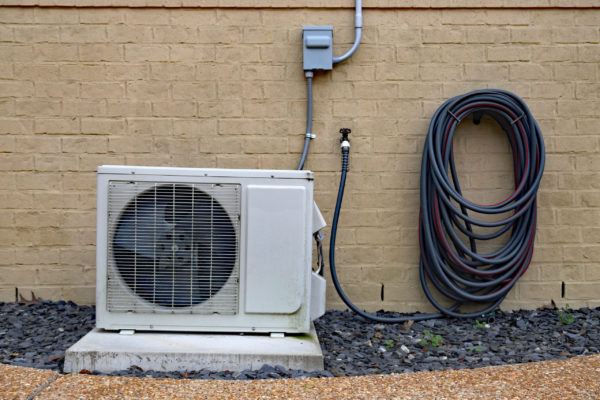
An HVAC system is a big investment for any homeowner in Clifton Park, NY, and everywhere else, for that matter. That’s especially true when you consider that the average HVAC system might last anywhere between 10 and 25 years. So, it’s perfectly reasonable for homeowners to wonder if there’s anything they can do to have their HVAC end up at the top of that range. One of the things many homeowners ask us is if it’s worthwhile to cover their HVAC system in the winter. Here’s the answer.

How HVAC Systems Fare in the Winter

For many years, conventional wisdom held that covering your HVAC’s outdoor unit during the winter would protect it from the harsher elements. Even the US Department of Energy still advises homeowners to cover their outdoor HVAC units in the winter. In the old days, there was some logic to the notion. The components and metals used in older HVAC systems did tend to wear out from the effects of snow and ice.

Today, however, that’s no longer the case. Modern HVAC systems aren’t as susceptible to damage from ice and snow as they once were. Manufacturers design HVAC units to last, even in the harshest outdoor conditions. Therefore, there’s no reason to worry about covering your outdoor HVAC unit before winter sets in — at least not completely.

Cover Your HVAC the Right Way

The reason you don’t want to cover your outdoor HVAC unit completely is that doing so impedes airflow through the unit. It may also trap moisture on and around the unit’s metal components, ironically leading to the very wear and tear you’re trying to prevent. Also, trapped moisture can lead to the growth of mold on your HVAC’s coils. That’s not the kind of surprise you’d like to unwrap when spring rolls around.

If you want to cover your air conditioner’s outdoor unit, the best thing to do is purchase some plywood and cut it to match the top. Then, weigh it down with some bricks to keep it secure throughout the winter. Doing so will keep twigs, dirt, and debris from falling into the unit, which can do far more harm than snow. Plus, it will prevent you from having to clean those things out before using your HVAC the following season.

HVAC Maintenance You Should Do

Although covering your HVAC in the winter isn’t necessary, there are some things you should do to your HVAC when you’re done using it for the year. Before the temperature drops too low, use a garden hose to clean any accumulated dirt off the outdoor unit’s coils. Then, clean up the area around the outdoor unit to remove any debris or detritus that gathered there.

You should also change your HVAC filter, especially if your system provides heat in the winter. That will make sure you have fresh, clean air all winter long, or when summer comes again. It’s also a good idea to contact us at to schedule a maintenance visit if you haven’t had one in a while. Our expert technicians can let you know if there’s anything with your HVAC that needs attention and help you prepare it for the cold and the next cooling season.

And, although snow buildup won’t harm your HVAC, it’s not a bad idea to go out and brush off snow that piles up on your outdoor unit. That will do far more to protect your HVAC from harm in the winter than covering it ever could.

Contact the Cooling Experts

Now you know that covering your HVAC’s outdoor unit isn’t as important as you might have believed. And you know the right way to do it if you plan on covering it anyway. The most important takeaway, however, is that there are some specific maintenance items you can do to extend your HVAC system’s lifespan.

Also, can help you to keep your HVAC unit running well year after year. We’re a locally owned and operated HVAC company that offers complete heating, cooling, and air quality solutions to the greater Clifton Park area. Our NATE-certified technicians can service and maintain heating and cooling systems of all kinds, and we back up our work with our five-star customer service.

So, if you need help getting your HVAC ready for winter, contact today!

HVAC Maintenance in Clifton Park, NY

SEER Rating and Energy-Efficiency in HVAC

What the SEER Rating Means for HVAC Efficiency

When choosing a new HVAC unit for your home, one rating to be mindful of is the SEER rating. This measurement, otherwise known as the seasonal energy efficiency rating, is an indicator of how energy-efficient your unit is.

SEER ratings, as determined by the Air-Conditioning, Heating, and Refrigeration Institute, were first implemented to ensure that HVAC systems are safe, productive, and environmentally friendly. The SEER rating for an HVAC system is calculated by determining its average cooling output versus the amount of energy it consumes. In general, the higher the rating a unit has, the more efficient and environmentally friendly it is.

SEER Rating and Cost

HVAC systems with higher SEER ratings do cost more, but you’ll more than make up for the up-front cost with significant energy savings on your monthly utility bills. Using less energy also means that you are doing your part to reduce your carbon footprint.

SEER Regulations and Recommendations

The U.S. is divided into three regions based on climate, which means that recommended and required SEER ratings for HVAC units can vary from state to state. Regional guidelines were put in place in January 2015. Until June 2017, older HVAC systems that were not in compliance were still able to be sold. As of now, most HVAC units sold or operated within the United States should be in compliance with updated SEER guidelines.

Northern States

Most of the U.S. falls into the Northern region as it applies to SEER ratings. The minimum required SEER rating is 14 for packaged systems and 13 for split systems. Heat pumps must be rated at 14 or above to be in compliance with regional guidelines.

Southwest

Southwest regional states include Arizona, Nevada, California, and New Mexico. The minimum SEER rating requirement in this region of the country is 14, regardless of what type of unit you purchase and operate. All AC units must meet an additional EER rating, which calculates a system’s efficient function where outdoor temperatures are consistently above 95 degrees Fahrenheit. This EER rating is a more accurate indicator of performance for homes that endure high heat. A typical EER rating varies from 11 to 12.2.

South

The South regional states include the following:

  • Delaware
  • Maryland
  • Virginia
  • North Carolina
  • South Carolina
  • Georgia
  • Alabama
  • Florida
  • Tennessee
  • Kentucky
  • Mississippi
  • Louisiana
  • Arkansas
  • Oklahoma
  • Texas

Hawaii and the District of Columbia are also included in this region, and the minimum requirement for a SEER rating is at least 14, regardless of the type of system that is used in a home. There is no EER requirement for homes in this part of the country.

Choosing the Right Rating

When choosing an HVAC system for your home, don’t just assume that bigger is better. Square footage and the floorplan of a home also play an important part in choosing a system that works for you. Units that are too big for a small area will not work well; they will overcompensate. Units that are too small for the square footage of your home will struggle. Both of these systems will cause higher-than-normal energy bills for you, as well as additional strain on your HVAC system. Addressing needed improvements that affect your home’s temperature can ensure more efficient use of energy. Consider these improvements as you seek to improve your unit’s energy efficiency:

  • Resealing ductwork
  • Installing an attic exhaust fan
  • Adding insulation
  • Installing solar screens
  • Installing low thermal emissivity windows
  • Adding a radiant roof barrier

Benefits of a Good SEER Rating

An energy-efficient HVAC system in combination with a home that is well-sealed and ventilated will yield you the most significant energy savings over time. There may even be federal tax rebates available to you if you choose to purchase an ENERGY STAR-certified system. Doing a bit of research to find the right system for your home will save you money as it pertains to your energy bill.

We Have Your HVAC Needs Covered!

is dedicated to providing you with quality heating and cooling solutions in the Clifton Park area and beyond. Locally owned and operated since 2016, we have a stellar reputation for HVAC service, and it continues to grow with each satisfied customer. Our NATE-certified technicians are ready to service any AC or heating system that you have in your home, and our five-star customer service ensures that you’ll get the answers you seek for heating, cooling, and improving indoor air quality. Whether you need installation, maintenance, or repair, rely on us.

Contact us today to make an appointment, and you can look forward to more comfortable days ahead.

Ductless Mini-split in Albany, NY

Is Ductless AC System Worth It? Pros and Cons of Mini-Split Units

Your Clifton Park home should be an oasis of comfort, and your HVAC equipment works hard to maintain optimal temperatures. Surprisingly, heating and cooling can be a cause of major arguments in homes.

Some people have a higher or lower heat tolerance. Traditional heating and cooling systems make it impossible to please everyone. You get one constant temperature for the entire home. Fortunately, ductless mini-splits can bring these arguments to an end. But are ductless mini-splits worth the money?

Let’s discuss the pros and cons of ductless mini-split systems in this guide.

What Are the Pros of Mini-Split Systems?

Many homeowners in Clifton Park and the surrounding areas know that their heating and cooling equipment needs to be energy efficient and environmentally friendly. Because of their energy efficiency, ductless systems are becoming the most installed HVAC systems. They also offer tons of other benefits.

Tailor the Temperature of Each Room

The chances are that there is a room in your house that never seems to get to the ideal temperature. It gets too cold during winter and too hot during summer. It might be a basement, man cave, sunroom, spare bedroom, home extension, or attic. A mini-split system is all you need to create a more livable space in your home.

Flexibility

Unlike conventional HVAC systems, mini-split systems can add more flexibility to controlling your home’s temperature. Depending on how many zones you choose, each family member could set the desired temperature in their rooms. You can also reduce the heating and cooling that goes into parts of the house that see little use.

Energy Efficiency

Ductless mini-split systems are designed to be more energy efficient than conventional systems. For instance, most mini-splits use inverter technology to regulate how hard your system works. As a result, these systems use minimum energy to provide consistent heating and cooling throughout the year.

On average, central air conditioners use around 3,000 to 3,500 watts per hour. In contrast, mini-split air conditioners use about 2,000 watts per hour. Beyond that, the SEER rating of mini-split systems is between 16 and 22, while central air conditioners have a lower rating.

Better Humidity Control

These systems can also control humidity to improve indoor air quality in your home. Some mini-splits have a dry mode that you can use to remove excess moisture from the air. Removing that mugginess from your home can make it more comfortable and prevent mold and mildew growth.

Range of Styles and Sizes

Mini-split systems come in various styles, sizes, and shapes to fit your home’s unique needs. You can choose between wall-mounted mini-splits and ceiling cassette systems. Wall-mounted systems are perfect if you want to heat or cool a wide area. On the other hand, ceiling mount mini-split systems are ideal if you don’t have wall space. It is also the best choice to hide the intrusive unit from view. You can also opt for a concealed mini-split system for a more discrete appearance.

Ductless

Mini-split systems don’t use ductwork to distribute cool or warm air throughout your home. You won’t have to deal with expensive and time-consuming ductwork maintenance. You also won’t lose conditioned air through leaky ducts.

Easy to Install

Since mini-splits don’t use ductwork, they are easier to install than ducted HVAC systems. However, the installation process is not so easy to be considered a DIY project. It still requires the expertise of trained technicians.

They Are Quieter

Mini-splits have lower decibel ratings than conventional systems. Some brands run as low as 19 decibels. For context, a ticking watch is 20 decibels, and a whisper is 30 decibels.

What Are the Cons of Ductless Mini-Splits?

Like all your home comfort equipment, your ductless mini-split system also has its fair share of drawbacks.

They Cost More Upfront Than Traditional Systems

One of the drawbacks of mini-split systems is that they cost more upfront than traditional systems. For instance, a central air conditioner costs around $3,500 to install, while a mini-split system costs more than $5,000 per zone.

They Might Be Less Attractive

Since mini-split systems are installed indoors, they can be less attractive than conventional systems. Fortunately, homeowners can install concealed and ceiling-mount mini-splits for a more discrete appearance.

Ready to Go Ductless and Save Money?

Whether you are tired of dealing with a ducted HVAC or looking for a reliable system for your new home, the technicians at are ready to help. Count on us to help you explore different mini-split systems on the market and provide reliable installation for optimal performance.

Our technicians also provide reliable heating and AC repair, installation, and maintenance. We are also the trusted experts for indoor air quality services. Contact today to learn more about our services.

Helpful article: Top Ductless HVAC Brands for Homeowners

Smart Thermostat in Albany, NY

How to Choose the Right Smart Thermostat for Your Needs

A smart thermostat is a great way to save money on your energy bill and have more control over your home’s temperature. But with so many different models and features on the market, it can be tough to know which one is right for you. Here are a few things to keep in mind as you shop for a smart thermostat.

Your Home’s Size and Layout

A smart thermostat is only effective if it can accurately sense the temperature in your home. That means it needs to be placed in a location where it can get a good read on the ambient temperature.

If you have a large or oddly-shaped home, you may need a particularly sensitive thermostat to get an accurate reading. In some cases, you may need more than one thermostat, which may affect your budget and, the specific model you choose.

Features

Smart thermostats come with a variety of features that can make it easier to keep your home comfortable, depending on your needs.

Some models can be controlled with a mobile app, so you can adjust the temperature even when you’re not at home. This can be helpful if you want to save energy while you’re away or if you forgot to adjust the thermostat before leaving for the day.

Other models come with features like automated scheduling, which can help you save energy by pre-heating or cooling your home only when necessary. Some thermostats also come with built-in voice assistants, like Amazon Alexa or Google Assistant, which can make it even easier to control your home’s temperature.

Compatibility

Before you buy a smart thermostat, you’ll also need to make sure it’s compatible with your home’s heating and cooling system. Many models are only compatible with certain types of HVAC systems, so it’s important to check before you purchase.

You’ll also need to make sure the thermostat you choose works with any other smart home devices you have, like a smart speaker or smart lights. Otherwise, you won’t be able to control all of your devices from one central location.

Cost

Finally, you’ll need to consider the cost of the smart thermostat itself, as well as the cost of installation. Some models are easier to install than others, but in general, it’s best to hire a professional to do the job.

You should also factor in the cost of any additional features you might want, like energy monitoring or automated scheduling. Some smart thermostats require a monthly subscription fee to access certain features, so that’s something else to keep in mind when you’re budgeting for your new device.

Most Popular Smart Thermostat Models

Now that you know what to look for in a smart thermostat, let’s take a look at some of the most popular models on the market so you can compare and contrast.

Nest Learning Thermostat

The Nest Learning Thermostat is a popular choice for its easy installation and wide compatibility with different HVAC systems. It also comes with features like energy monitoring and automated scheduling, although you’ll need to pay a monthly subscription fee to access those features.

ecobee4 Smart Thermostat

The ecobee4 is another popular choice, thanks to its easy installation and wide range of features. It comes with a built-in Amazon Alexa voice assistant, as well as energy monitoring and automated scheduling. You can also control it with your mobile phone, even when you’re not at home.

Honeywell Lyric T5 Smart Thermostat

The Honeywell Lyric T5 is a good choice for those on a budget. It doesn’t have as many bells and whistles as some of the other models on this list, but it’s easy to install and compatible with most HVAC systems.

Emerson Sensi Touch Smart Thermostat

The Emerson Sensi Touch is another budget-friendly option that’s easy to install and compatible with most HVAC systems. It doesn’t have as many features as some of the other models on this list, but it does come with a mobile app so you can control it even when you’re not at home.

Let Us Help You Choose the Right Smart Thermostat

Still not sure which smart thermostat is right for you? The team of experts at can help you find the perfect model for your needs and budget. We can also help you with the installation process, so you can start saving money on your energy bills as soon as possible.

We’ve been providing superior air conditioning, heating, and indoor air quality services to Clifton Park homeowners like you since 2016, so you can count on us for all your HVAC needs. Contact us today for more information.