Rated: 4.9 / 5 based on 2,600+ reviews. Read our reviews

Available 24/7! Call now to schedule! (518) 545-3271

Author: Amanda Triolo

Heat Pump Troubleshooting: Common Issues and Solutions

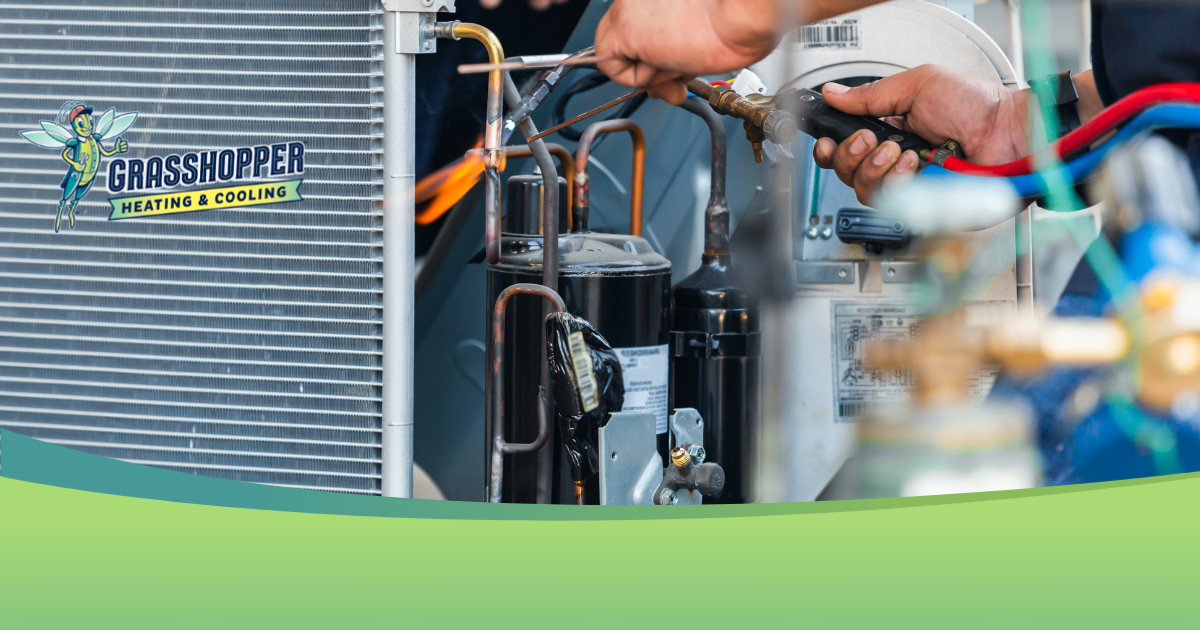
When you don’t have a comfortable climate inside your home because of a malfunctioning heat pump, you may be unsure of what to do. Could you try a couple of heat pump troubleshooting techniques before you reach out for repair? Usually, it’s a smarter option to call for professional heat pump service from locals like Grasshopper Heating, Cooling, Plumbing & Electrical.

Read on to learn more about some common issues that can affect your heat pump efficiency.

Heat Pump Won’t Start

Heat pumps that won’t start when you need them for heating or cooling could have many different causes for acting up. For example:

  • Always check for a dirty air filter. Replace it with a clean one to see if the heat pump responds.
  • Recalibrate the system. Improper calibration of the thermostat settings could cause an issue. Look at the thermostat and make sure it’s ready to run with a fresh battery. 
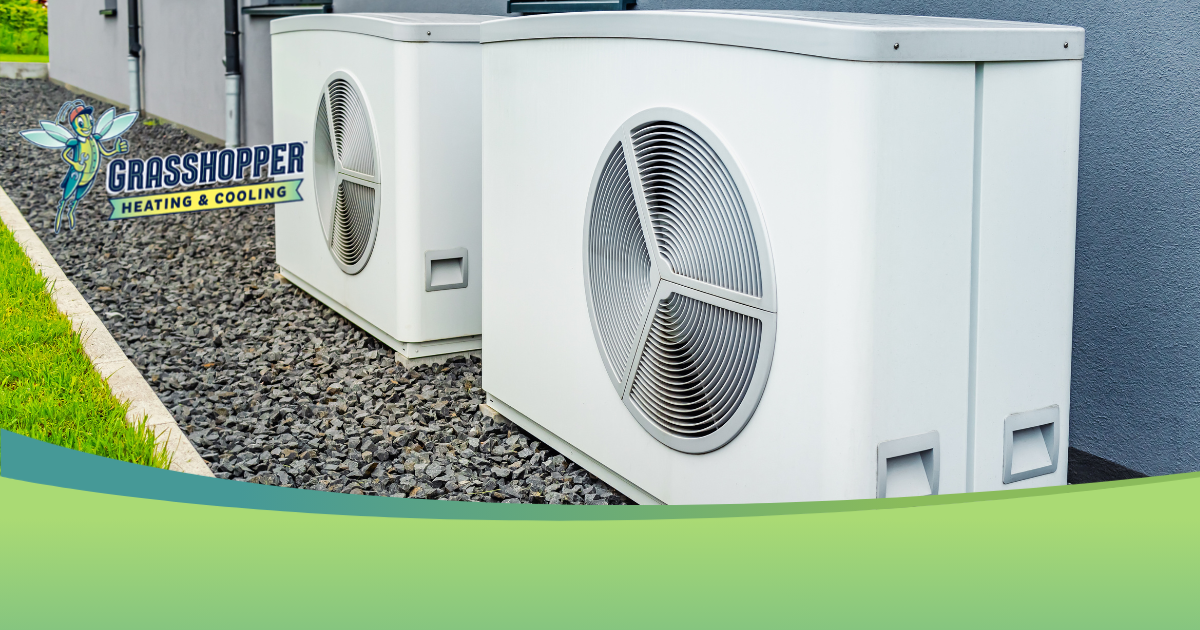
  • Check the status of the outdoor unit. Make sure you don’t have tree branches or other plants blocking the airflow around the heat pump’s outdoor unit. Free air movement helps the system avoid overheating and allows for proper heat dissipation.

During winter, heat pumps can also end up with a layer of frost or ice on them. Turn on the heat pump’s defrost mode or call for repair help.

Heat Pump Won’t Stop Running

A heat pump that won’t stop running is a sign of a major problem. The unit should shut down for a few minutes at least a few times per hour, even in extremely hot or bitterly cold weather.

Check the thermostat’s settings. What’s the status of the filter? These could both be causing a constantly running heat pump.

Leaking Liquid Near the Heat Pump

If you notice liquid on the ground near a heat pump that isn’t running properly, you might have a refrigerant leak. This problem goes beyond simple heat pump troubleshooting. You need to call our heat pump repair experts for help right away.

A lack of refrigerant can cause the system to operate inefficiently or to break down prematurely. However, the more immediate problem is the substance itself. Leaks can harm nearby plants or put your pets and children in danger upon contact with the refrigerant.

Odd Noises and Smells

If you notice odd noises or smells coming from the heat pump, it could indicate:

  • A loose part
  • A failing motor
  • A refrigerant leak
  • A wiring problem
  • An overheating system

You rarely can fix the various problems that cause odd smells and noises on your own. Call a repair technician. These problems worsen over time without intervention.

Let Grasshopper Heating, Cooling, Plumbing & Electrical Help Fix Your Heat Pump

If your heat pump troubleshooting techniques aren’t working to give your home the comfort you want, it’s time to reach out for help. At Grasshopper Heating, Cooling, Plumbing & Electrical, we deliver repair services that will have your heat pump running like new again. To set up an appointment or to learn more about why your heat pump may be malfunctioning, call us today at (518) 545-3271.

Top 8 Reasons Your Heat Pump Is Not Heating

Are you having problems with your heat pump not heating?

As experts in heat pump diagnostics and repairs in Albany, New York, and the surrounding areas, Grasshopper Heating, Cooling, Plumbing & Electrical can always fix your HVAC system. Keep reading to discover the most common reasons your device isn’t producing quite enough heat for your liking and what you should do.

The Eight Most Common Causes of a Heat Pump Not Heating or Emitting Hot Air

Copper tubing makes heat pumps efficient, but there are many other parts that can go wrong. Whether your pump is blowing cool breezes in winter or simply failing to keep your home warm, a professional HVAC technician will diagnose the problem correctly.

Typically, heating devices suffer from one of the following eight issues.

1. Your Thermostat May Have Problems

An apparent issue with heat pump systems can come from a faulty thermostat. Do you have incorrect thermostat settings or other issues? Try the following:

  • Check to confirm you set your thermostat to the heating mode or constant fan.
  • Replace the batteries in your thermostat to see if that fixes the issue.
  • Determine the age of your thermostat (get a new one if it’s more than 10 years old).
  • Clean your device to see if it has a dirty sensor.
  • Clear furniture and curtains away from your thermostat. Also, block sunlight that could cause your thermostat to misread a temperature setting by a few degrees.

If none of these work, you could have a technician double-check for a malfunctioning thermostat at the next service.

2. Your Unit May Have a Clogged Air Filter

If you have problems with your heat pump not heating, it could have a dirty air filter. Do you remember the last time you changed it? You should change the filter once a month.

If you replace your air filter and it doesn’t solve the issue, you likely have a more complicated problem than reduced airflow.

3. Your Heat Pump Could Have Deficient Refrigerant Levels

Like an air conditioner, your heat pump uses refrigerant to transfer heat to and from cold air or warm air. If your unit has low refrigerant levels, the heat pump can’t reach your desired temperature. Refrigerant issues usually result in lukewarm air.

Be careful; only a qualified professional should address leaking refrigerant. It’s a toxic substance that requires special training to handle safely.

4. Do You Have a Blocked Outdoor Unit?

Is your heat pump not heating? Check whether you have debris or vegetation blocking your outdoor unit.

Your heat pump has both an indoor unit and an outside unit. The portion outside your home remains the most vulnerable to blockages.

5. Consider Whether You Have Power Problems

If your heat pump isn’t working at all, you could have any number of electrical issues. Do you experience a blown fuse in your electrical panel or circuit breaker every time you flip a specific light switch? Also, check your indoor unit power switch to see if you flipped it off.

Is your heat pump running but not blowing the air through your home? The power problem may reside with your indoor air handler unit.

6. A Faulty Reversing Valve Could Cause the Issue

If your heat pump has a bad reversing valve, it may only emit cool or cold air. The reversing valve determines whether your heat pump cools or heats, as it directs the flow of refrigerant.

With a broken reversing valve, the heat pump may become stuck in cooling mode.

7. Your Heat Pump Has a Frozen Outdoor Unit Coil

Your heat pump can experience ice buildup and frozen coils during winter and summer. However, it has a greater vulnerability to a frozen outdoor coil in the winter because of the cold weather.

Freezing occurs most often because of low refrigerant. Dirt buildup on the coils or air filter or other debris blocking the unit can also cause problems (your device can’t properly regulate the temperature through evaporation).

8. You May Have an Undersized Heat Pump

You should carefully select the best-sized heat pump for your home. If you buy a device too small for your home, it won’t provide the level of heating you need.

If you feel the heat pump blowing hot air but your home never reaches a comfortable temperature, consider an upgrade.

Schedule Reliable Heat Pump Repairs Today

If you’re struggling with your heat pump not heating, contact Grasshopper Heating, Cooling, Plumbing & Electrical. We’ll determine why you feel cool air when you shouldn’t and offer a personalized and efficient solution.

Call 518-545-3271 to schedule an appointment today!

Why Does My Furnace Have A Flashing or Blinking Red Light?

What causes a blinking red light on furnaces?

Grasshopper Heating, Cooling, Plumbing & Electrical can determine whether you have a problem with your heat exchanger, gas pressure, or something else. We’re New York’s trusted source of diagnostics and repairs for all furnace models in the Albany, NY area.

Here, we discuss the most common reasons behind your furnace’s blinking red light.

Most Common Reasons You See a Blinking Red Light On Furnaces

If a red furnace light blinks or flashes, you can assume one thing right off the bat: the furnace isn’t functioning properly! An HVAC system professional will read the error code specific to your unit’s problem, but one of the following issues is likely:

A Flashing Furnace Light Can Mean You Have Igniter Failure

A professional HVAC technician can determine if your furnace light flashes because your unit has ignition issues. In a gas furnace, this component ignites your fuel so that your device can heat the air. Ignition problems can occur for several reasons, such as:

  • A dirty flame sensor
  • A dirty burner chamber or combustion chambers
  • A faulty gas valve
  • A vent blockage
  • Reduced airflow from clogged furnace filters or a faulty blower motor
  • Lack of a hot flame or pilot light (it looks like a yellow light)
  • Flame failure from broken burners

Learn more about what heat exchangers are and how they work

A Blinking Light Can Indicate a Roll-Out Switch (High Limit Switch) Problem

Do you sometimes see a blinking red light on furnaces? Your roll-out switch provides an essential safety feature by shutting off your device when it overheats. If the high-limit switch doesn’t accurately read the internal temperature, it may shut down your device and activate the error code light.

This occurs most often when you have clogged air filters and dirt buildup.

You Could Experience a Heating System Lock Out

A lock-out is another safety feature in modern furnaces.

Your furnace has several sensors that monitor conditions within your furnace. If they sense an issue, they shut down your device. You’ll see a blinking red light.

Do You Have Thermostat Issues?

One issue homeowners often overlook in the furnace manual includes that a furnace’s blinking red light can occur when your thermostat malfunctions.

Can your thermostat not properly communicate with your heating system? It may activate your furnace’s blinking red light to show the right error code.


Related article: How high can I turn up my thermostat?


You May Have Heat Exchanger or Power Issues

You may see an error code if your furnace components aren’t receiving power correctly. Several issues can cause power problems, such as:

  • Circuit board failure
  • Issues with your circuit breaker box
  • Loose wire connections
  • Old wiring
  • Frequent power surges

Do You Have Problems with Your Gas Valve?

A gas valve issue remains the most common cause of a blinking red light on furnaces. This occurs most often when the gas flowing into your furnace doesn’t have enough pressure to ignite.

Only a professional HVAC technician should handle issues with your gas supply.

Is Your Pressure Switch Malfunctioning?

Your furnace’s pressure switch shuts off power to your device when it detects unsafe pressure levels. If you have pressure switch problems, it could misread the pressure and turn off the furnace unnecessarily.

An HVAC professional can help determine if you have a malfunction or if you have increased pressure from the following complications:

  • Blocked condensate drain
  • Dirty air filters
  • Improperly sized equipment

What Should You Do If Your Furnace Has a Blinking Red Light?

So, what should you do when you notice a blinking light on your furnace? You can perform basic diagnostics yourself to help determine the issue. Safely complete the following tasks:

  • Check your recent utility bills. Do you have a decrease in your device’s energy efficiency?
  • Inspect your device for clogged filters. Change them if necessary.
  • Reset your thermostat. Try an extreme temperature. Does your furnace activate?
  • Stay vigilant for unusual smells and sounds. The furnace may need repairs.

By performing initial troubleshooting, you can help your HVAC technician determine the source of your furnace problems.

Remember, if your furnace has problems during a period of extremely cold weather, you need it for safety. You should consider it an emergency and call for repairs immediately.

If you smell natural gas, exit your home immediately. Call for service from a safe distance.

Schedule Reliable Furnace Repairs Today

Now that you know how to handle a blinking red light on furnaces, contact Grasshopper Heating, Cooling, Plumbing & Electrical. Our experienced technicians can interpret the error codes on all furnace brands, including your Carrier furnace. We can efficiently return your furnace to normal operation for a competitive price.

To schedule service, call 518-545-3271.

Preparing Your Heating System for Winter

Whether you look forward to the stark beauty of a snowy landscape or you’re already counting down the days until spring, preparing your heating system for winter is key. It doesn’t matter whether you love winter or hate it; you need your furnace to keep your home warm and comfortable.

Learn more about the key steps you should take to make sure your furnace is ready to perform in top condition.

Perform Furnace Maintenance

Furnace maintenance involves taking several steps to keep your system running in top condition all winter long.

Replace the Furnace Filter

You should change your furnace’s air filter at least every three months and before the heating season starts. A clogged furnace doesn’t allow maximum heated air flow through the system.

Check the Vents

After replacing the air filter, one of the key steps for preparing your furnace or heat pump for winter is ensuring maximum air movement into and out of the HVAC system. Walk around your home and look at the vents. Move any items that are blocking either the supply or return air vents.

Clear the Space Around the Furnace

If you stacked boxes and other items around the furnace all summer, now is the time to move them to a new location. Storing items near the furnace while it’s running increases the risk of fire.

Clean the Interior of the Unit

The interior of the furnace and heat exchanger accumulate dust, dirt, and grime throughout the year. Removing these particles allows the moving parts inside the furnace to operate freely, ensuring maximum performance efficiency when preparing your heating system for winter.

The blower motor and other parts contain bearings that may need lubrication, too.

Test the Performance

Turn on the furnace or heat pump and make sure it delivers warm air as expected. If you hear odd noises or if the heater doesn’t seem to be responding to your settings on the thermostat, you should call our HVAC system repair team.

Reach Out for a Tune-up

Many of the maintenance steps required to prepare a furnace for winter are more complicated than homeowners can easily handle on their own. Our expert heating unit technicians can visit your home annually to do the necessary maintenance on the furnace.

Our certified furnace professionals can run diagnostic tests on your heater, looking for parts that are close to failing. We can do repairs on these parts, ensuring your furnace is ready to run in an energy-efficient and reliable manner all winter.

Our diagnostic tests can spot areas where wear is occurring, allowing us to fix them before they cause a complete breakdown.

Check the Safety Systems

Just before winter is a good time to check your smoke detectors and carbon monoxide detectors. If they need fresh batteries, you should change them as part of preparing your heating system for winter.

If you use a chimney, have a professional inspect and clean it to reduce the risk of a fire.

Our heating technicians can check the integrity of the natural gas lines and electrical connections. We ensure everything is ready to operate safely for you all winter.

Take Advantage of the Thermostat’s Features

As a final option for preparing your heating system for winter, you should familiarize yourself with your thermostat. You might not understand all the features that your thermostat offers that can help you keep your home more comfortable and cut down on heating costs.

The changeover from cooling to heating season is a good time to learn more about the thermostat. Some of the features of your programmable thermostat that you may want to consider using include:

  • Program the furnace to shut down overnight
  • Measure heating performance in real-time
  • Control the thermostat from an app
  • Set up different heating zones in the home

If you have a newer thermostat and a smart home system installed, you can connect the thermostat to the system. This makes it easier to control from an app.

You should also check the thermostat’s settings related to the furnace. Make sure the furnace’s temperature is exactly where you want it.

Call Grasshopper Heating, Cooling, Plumbing & Electrical for a Furnace Tune-up Today

If you want to ensure your furnace is ready to deliver hot, not cold, air for the upcoming winter season, the expert heating and cooling system technicians at Grasshopper Heating, Cooling, Plumbing & Electrical are ready to help. By letting us tune up your heating equipment, you receive benefits like lower heating bills, a longer lifespan for your furnace, and better home comfort.

To learn more about preparing your heating system for winter and the tasks we will perform for you, call (518) 545-3271.

Most Common Winter Plumbing Problems

Are you concerned about winter plumbing problems? Grasshopper Heating, Cooling, Plumbing & Electrical keeps your home safe with reliable plumbing repair, inspections, and maintenance. Keep reading to learn about how you can avoid these issues.

Frozen Pipes Across Your Property

Your indoor and outdoor pipes become vulnerable once outdoor temperatures drop below freezing. When your pipes freeze, it can rupture your water supply lines, sewer lines, and more. It can cause damage to your yard if it bursts outside your home.

Protecting Your Pipes From Freezing Temperatures

How can you protect your pipes from cold weather? Take the following preventive measures to prevent freezing in cold temperatures:

  • Disconnect hoses and drain water from them before storing them.
  • Turn off any water lines that provide water to your outdoor spigots.
  • Leave your outdoor faucets open all winter.
  • Install pipe insulation in your outdoor plumbing or any pipes in your exterior wall.
  • Cover your outdoor drains with weather-proof sleeves.
  • Have pressure relief valves installed on water lines.

Drains That Clog Frequently

When you have a frozen drain line, it can affect your drains throughout your house. Drains are like arteries; when they have buildup or minor clogs, they can’t handle the same water flow capacity. Your drains won’t empty as quickly and will back up or clog frequently.

Fixing and Reducing Your Risk of Clogging Drains

When your kitchen sink drains clog in the winter, try pouring boiling water down them. You can also run the garbage disposals to help troubleshoot winter plumbing problems. If neither of those works, you should call a plumber for help.

You can protect outdoor drainage systems or metal drains in the same way you protect your pipes. Implement the following habits:

  • Avoid sending fibrous (fruit peels), grainy (coffee grounds), starchy (rice), and fatty substances (cooking oil) down the drain.
  • Regularly clean your garbage disposals.
  • Don’t use chemical drain cleaners (they corrode pipes).
  • Install a catcher in your drains to reduce the amount of soap scum and hair entering your pipes.

Your Water Heater Runs Out of Hot Water

If your water heater can’t produce enough hot water, showering feels challenging. Does your hot water last about an hour before running out? You may need to drain it or install a bigger model.

Best Practices for Maintaining Your Water Heater

How can you protect your water heater from winter issues?

  • Consider whether upgrading to a tankless model can better meet your needs and give you a longer supply of water.
  • Schedule annual maintenance check.
  • Install a water heater blanket.

Your Sump Pump Backs Up Frequently

Consider it one of the worst winter plumbing problems when your sump pump fails. You’ll need your sump pump to keep your basement dry if you’re anticipating a large snow melt. Schedule repairs quickly.

What Are the Best Ways to Care for Your Sump Pump?

How can you protect your sump pump from freezing in the winter?

  • Schedule regular maintenance.
  • Confirm your basement has a steady supply of warm air.
  • Insulate its discharge line.

Issues with a Frozen Septic System

A septic system remains vulnerable to freezing in the winter. From the septic tank’s access cover to the septic pipe outlet, if any portion freezes or clogs, you’ll see backups in your home. You should schedule immediate help even though the frozen ground makes winter repairs more difficult.

Can You Prevent Your Septic Tank From Freezing?

How can you help prevent your private sewage system from freezing?

  • Insulate your septic tank cover and tank by laying a straw over it.
  • Pump your tank before winter.
  • Never drive on your tank or drainage field, especially in the winter.

Snow Melt That Floods Your Basement

Melting ice and snow buildup can flood your basement. The invading water could cause damage to your home if you don’t have proper drainage. You can’t always predict what level of snow and ice will cause a problem.

How to Prevent Problems From Snow Melt

Take the following precautions to prevent basement flooding:

  • Patch cracks with hydraulic cement.
  • Install and maintain a sump pump.
  • Immediately clear snow in a five-foot radius around your foundation.

Schedule Reliable Plumbing System Services Today

Do you need help fixing or preventing winter plumbing problems? Grasshopper Heating, Cooling, Plumbing & Electrical can fix all plumbing issues.

We provide a wide range of services, from replacing pressure relief valves to repairing your home’s main drain line. We help prevent mold growth and damage to your home with preventive maintenance and prompt repairs for water leaks.

How High Can I Turn Up My Thermostat?

How High Can I Turn Up My Thermostat?

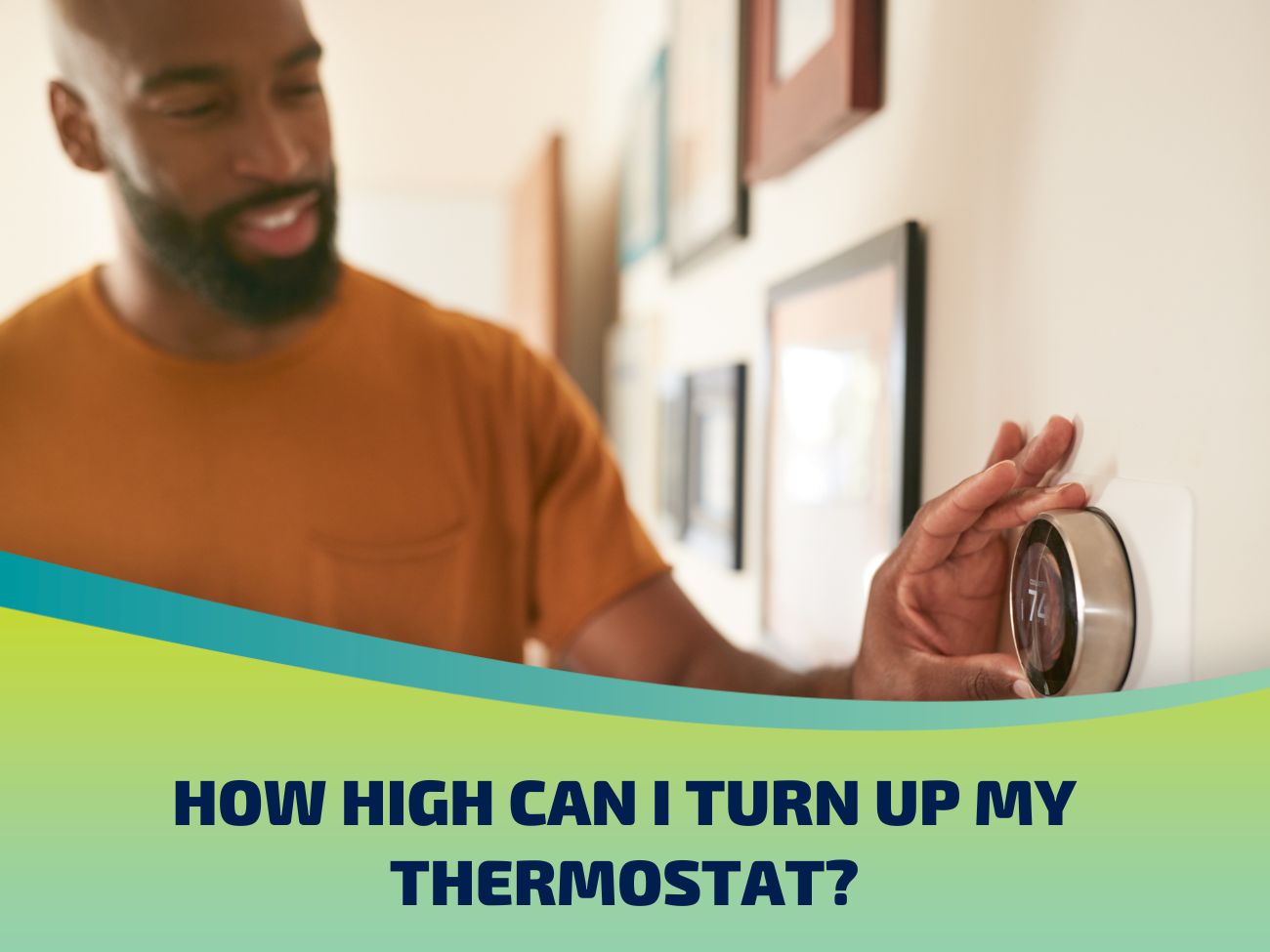
If you’re sensitive to cold winter weather, you may ask, “How high can I turn up my thermostat?” At Grasshopper Heating, Cooling, Plumbing & Electrical, we know how your heating system operates and help you keep it in excellent condition. Keep reading to discover the ideal temperature for winter comfort and long-term savings on your energy bills.

How Your Thermostat Interacts With Your Heating System

Your thermostat works by sensing the ambient temperature in your home and comparing it with your temperature set point. In the winter, if you’ve set your thermostat to heating mode, it activates your furnace when it notices the ambient air is lower than your desired temperature. In the summer, it does the same thing but activates your cooling system instead.

The Problems of an Excessively High Thermostat Setting

Concerning your HVAC system in the winter, is higher always better? If you set your thermostat too high, you could experience the following issues:

  • Higher energy bills: The higher you set your temperature, the longer your furnace or heater runs and the more money you spend keeping your house warm.
  • Lack of optimal comfort: Even if you like an excessive level of warmth during the winter months, you’ll reach a level where you, or other people in your house, feel uncomfortable.
  • Increased wear and tear: A higher temperature means more frequent heating system use and increased wear and tear. You’ll replace your device early, and experience decreased energy efficiency.
  • Uneven temperature distribution: When you set your thermostat too high, it won’t keep every room in the house at the same temperature. You’ll experience pockets of cold and warm air.

The Best Winter Thermostat Settings to Save Money and Enhance Comfort

If you’re asking, “How high can I turn up my thermostat,” instead reframe your question. What setting helps you obtain a warm comfort level but can still save you money on heating your house? Remember, you don’t have to rely only on your home’s temperature to keep you warm!

The Best Temperature for Energy Savings

The United States Department of Energy suggests setting your thermostat to 68 degrees during the day. This can save energy by running your furnace or heater to obtain a minimally comfortable temperature.

While it may seem daunting, the department also suggests lowering your thermostat setting to 60 degrees at night while you sleep or when you leave your home. This will help you conserve energy more by keeping your target temperature at a minimal setting for safety.

Creating a Comfortable Living Space With a Lower Set Temp

Does 68 seem too low for a comfortable indoor temperature? You can optimize the savings on your energy costs by relying on the following methods for staying comfortable:

  • Wear multiple layers of warm clothing like sweatshirts and hats.
  • Use blankets, heating pads, or
  • Consider using a space heater, though carefully read the instructions for safe use.
  • Eat hot foods like soup and chili and drink coffee or tea for extended periods.

Helping Your Heating Systems Stay Energy-Efficient

What’s one answer to “How high can I turn up my thermostat?” When you take steps to save energy by increasing the efficiency of your home, the benefits will spread to your air conditioner use, too.

Choose the Right Thermostat

When you install smart thermostats in your home, you can control your thermostat settings from your phone. Did you forget to turn the heat down before you left for work? It’s never too late to save money by lowering it.

Do you need a more affordable thermostat solution? A programmable thermostat can provide similar convenience. While you can’t operate most programmable thermostats from your phone, you can still set them on a specific schedule.

Insulate Your Home

Heat loss can significantly hinder your home’s energy efficiency, especially at night when the temperature drops. When you insulate your home exterior and interior walls, you prevent the heat from escaping and can run your heating system less frequently. Always consider upgrading old insulation a smart investment.

Invest in Regular Maintenance

Annual furnace maintenance is the best thing you can do for your HVAC system. Your heating and cooling system will run more efficiently and keep your home more comfortable. It also saves you money by reducing the frequency of repairs.

Schedule Services for Your Heating System Today

Are you satisfied with the answer to, “How high can I turn up my thermostat?” When you partner with Grasshopper Heating, Cooling, Plumbing & Electrical, we keep your furnace, heat pump, and air conditioning in peak condition. No matter what temperature you keep your thermostat at, we’ll optimize its efficiency and your savings.

To book an appointment, call (518) 545-3271 or contact us online.

Why Your Furnace Won’t Turn Off

When cold winter weather is invading your region, you need your furnace to heat your home and deliver energy efficiency. If you are wondering why your furnace won’t turn off, it’s time to reach out to professional repair technicians for help with diagnosing the issue.

Learn more about why your heating system won’t stop running and how our heating technicians can solve this problem.

Common Reasons for a Constantly Running Furnace

Even though it might feel warm and toasty in the home when the furnace is running constantly during extremely cold weather, this signifies a significant problem with the unit. Several different reasons may explain the reason for a constantly running furnace. You can consider these troubleshooting steps to try to diagnose the problem when the furnace is constantly running.

Broken Thermostat

If your thermostat is not measuring temperature properly or is sending incorrect signals to the furnace, it might never shut down. 

Check the settings on the thermostat controls to make sure someone didn’t turn it to a high temperature setting. Use a separate thermometer to measure the actual temperature in the house and compare it to the desired temperature measurement on the thermostat settings.

Thermostats typically last about 10 years. If you have an older thermostat, it may be time for a replacement.

Clogged Air Filter

If you have a clogged air filter inside the gas furnace, it inhibits the ability of the system to move air. A lack of air movement causes the heating system to work harder, which could lead to parts inside the heating unit breaking down prematurely.

The dirty air filter may block the movement of heated air throughout the home, leading to cold spots in different rooms.

You should change a dirty filter every three months in the HVAC system at a minimum.

Wrong Size of Furnace

If you moved into a home with an existing furnace that will not shut off, it’s possible that the furnace is too small. It simply cannot move enough hot air throughout the square footage of the home to reach the thermostat’s temperature setting.

If you recently expanded your home’s size through remodeling, figuring out why your furnace won’t turn off might relate to the now larger home.

The only way to fix this issue is replacing the existing furnace with a larger capacity unit.

Furnace Blower Motor Issues

If the heat pump or furnace blower is not functioning properly, it may inhibit the furnace’s ability to circulate air through the system. The thermostat might not send a signal to the furnace to shut off because the warm air is not moving through the home properly.

A professional Clifton Park furnace repair company can investigate this problem and fix it.

Loss of Heat Outdoors

If you do not have the proper level of insulation inside the home, it’s possible that the furnace simply cannot keep up during extremely cold weather. The home is not holding the heat inside like it should because of the issue with insulation.

Perhaps someone left open windows or doors in the home, and cold air is entering the home at a fast rate. Walk through the home and check for broken windows and open doors.

Consequences When a Furnace Won’t Turn Off

Typically, a furnace will run up to 15 minutes per heating cycle before shutting down for a few minutes. It can then start the new heating cycle.

When the furnace doesn’t shut off, it’s still delivering heat to the home. You might choose to ignore this issue because the furnace is still running.

However, the furnace cannot continue to operate this way without suffering a failure at some point.

Some of the problems you might experience when the furnace will not shut down include:

  • Higher energy bills
  • Home that’s too warm
  • Shorter furnace lifespan
  • Potential fire hazard
  • Increased risk of carbon monoxide exposure
  • Furnace breakdown

All these problems show the importance of having repairs done as quickly as possible to the HVAC system when your furnace won’t turn off.

Let Grasshopper Heating, Cooling, Plumbing & Electrical Help You Understand Why Your Furnace Won’t Turn Off — and Fix It

Don’t continue to put up with a furnace that wants to run continuously. Let our experts diagnose why your furnace won’t turn off and do something about it. 

Our professional HVAC technicians at Grasshopper Heating, Cooling, Plumbing & Electrical are ready to help with all your heating system needs. We do not cut corners when repairing and maintaining your furnace. To set up an appointment or to learn how we can help you with your furnace problem, call us today at (518) 545-3271.

Exploring Heat Exchangers: How They Work and Why They’re Essential

Just about every household HVAC system uses a heat exchanger. Other, larger mechanisms may use them for temperature maintenance and energy conservation, but how do these components work?

There are two things people want to know when exploring heat exchangers: how they work and why they’re essential. Grasshopper Heating, Cooling, Plumbing & Electrical’s staff hold the proper licensing and training for these types of HVAC technologies. Here are the basics regarding heat exchangers and why they make your property’s heating, ventilation, and air conditioning systems work.

What Are Heat Exchangers, and Why Do We Use Them?

You’ve learned about three basic states of matter – gasses, liquids, and solids – that can each contain thermal energy. Heat exchangers transfer heat between gasses and liquids. That ability to “exchange” heat is how manufacturers can design machines to stay at a reasonable temperature as they operate. 

Overheated HVAC components start fires, cause explosions, and lead to catastrophic system failures, so heat transfer is vital. The main reason a unit’s heat exchanger is so essential is that it reduces safety hazards and prevents injuries in residential, commercial, and industrial applications. Another reason heat exchangers are critical is that they’re how some appliances heat and cool – one example is a heat pump.

Types of Heat Exchangers

You only need to know two basic things when exploring heat exchangers: how they work and why they’re essential. However, heat exchanger types are important, too. These are the four common heat exchangers technicians use:

#1 Shell-and-Tube

This version utilizes several tubes inside a cylindrical shell, with liquids running through each of these two areas. Heat energy inside the tube liquid transfers to the shell liquid, cools, and returns to the system. Shell-and-tube exchangers work best in power plants and oil refineries for controlled fluid heating.

#2 Plate-and-Frame

Plate-and-frame heat exchangers rely on stacks of thin, grooved plates with gaps between them for liquid. The large surface area on the plates increases their thermal efficiency, so the liquids exchange thermal energy through the plates. Food and chemical processors use plate heat exchangers to stabilize fluid heat levels with little to no loss in liquid pressure.

#3 Air-to-Air

Many air-to-air heat exchangers use refrigerant, a substance that changes from gas to liquid and back again. Refrigerant heats up when under pressure, and to cool it, HVAC systems will blow cool air over the coils or reduce the pressure levels. Most air conditioners and other ventilation systems use fans to blow hot or cold air over the refrigerant tubes to exchange thermal energy.

#4 Double-Pipe

Double-pipe exchangers have a smaller pipe inside a larger one. They work like the shell-and-tube heat exchanger on a smaller scale. A system like this works best for smaller industrial plants or as temperature management for certain renewable energy systems.

New York’s Leading Company for HVAC Care

That’s all you need to know when exploring heat exchangers: how they work and why they’re essential in your property’s heating and cooling. If you’re in New York, learn more by calling (518) 252-7939 or visit Grasshopper Heating, Cooling, Plumbing & Electrical’s contact page for a free quote today!

Why Is My Garbage Disposal Leaking Underneath?

Garbage disposals might just be a modern marvel. The appliance eliminates slimy food remnants after you rinse your dishes and place them in the dishwasher. At some point, however, you may find yourself facing an unexpected mess in the cabinet beneath and suddenly asking, “Why is my garbage disposal leaking underneath?”

Read Grasshopper Heating, Cooling, Plumbing & Electrical’s diagnostic guide on how to fix a leaking garbage disposal unit. It takes more than some plumber’s putty to plug that leak, so be sure to keep the team’s number on speed dial.

What Causes a Leaking Garbage Disposal?

A garbage disposal unit might leak because of the following circumstances:

  • Regular use: Garbage disposal leaks happen more frequently as the disposal ages. In the worst-case scenario, you’ll replace that old disposal.
  • Too much garbage: Rinsing too much or excessively large portions down the sink drain might clog and build water pressure. Eventually, the pipes will spring a leak.
  • Inappropriate food waste going down the sink: Things like coffee grounds and apple cores wreak havoc on the disposal machinery. It’s best to avoid them.

Homeowners who aren’t sure how to safely navigate garbage disposal problems don’t have to worry. Plumbers like Grasshopper Heating, Cooling, Plumbing & Electrical can check that the unit is connected properly to the kitchen sink drain and flush clogs to prevent garbage disposal leakage.

How to Find Leaks on Garbage Disposals

“Why is my garbage disposal leaking underneath?”

You can often pinpoint the problem area on a leaking garbage disposal unit if you run cold water from your sink into the sink drain. Open the cabinets and watch the water leaking from the exposed plumbing. Put a bucket beneath the sink to catch the running water.

Where does the leak come from? The average garbage disposal unit is cylindrical with a cone-like tapered top. It should be connected or adjacent to the sink plumbing. Identify whether the disposal leak drips from the top, side, or bottom of the appliance. Then, read below to learn how a trained plumber might fix a leaking garbage disposal unit.

Leaks at the Top Might Be the Sink Flange

The sink flange is the metal mounting ring that connects the sink with the disposal. Many homeowners find their flange to blame for the leak.

Check for loose metal connections and tighten or re-attach them to solve this problem. You might also discover cracks across the disposal casing, allowing water to seep through the structure.

Leaks on the Side Are Because of Loose Drain Lines

Typically, the garbage disposal drain pipe connects to the dishwasher drain pipe. That dishwasher hose connection empties food remnants into the garbage disposal drain. Then, the waste collection travels to the sewage system through a second drain pipe.

The existing drain line connecting the unit, dishwasher hose, and sewage drain has a metal clamp on each connection to secure the pipe materials. Is that clamp secure? Professionals will inspect these drain pipe lengths for holes or cracks that might cause a leak, too.

Leaks From the Bottom Are Because of Damaged Seals

If the garbage disposal is leaking from the bottom, it might be because one of the internal seals or the rubber gasket has loosened or broken. A broken seal allows water to escape from the bottom-most portion of the unit.

A plumber from the team at Grasshopper might replace that internal seal or fix it with some plumber’s putty. However, you’re usually better off having the whole disposal replaced.

Why Is My Garbage Disposal Leaking Underneath? Other Reasons for a Failing or Leaky Garbage Disposal

Leaks aren’t the only issues that arise in garbage disposals. For instance, the mounting assembly can slowly loosen, masking a garbage disposal leak and other problems. The reset button may also get stuck, cutting power to the garbage disposal.

In any situation that involves power, like a reset button or breaker box, it’s best to leave repairs to the professionals. Otherwise, you could risk electrical shock and other injuries. For safety reasons, get a skilled plumber like Grasshopper Heating, Cooling, Plumbing & Electrical to repair things and help you prevent future leaks.

Call Grasshopper Heating, Cooling, Plumbing & Electrical to Fix It!

“Why is my garbage disposal leaking underneath?” Why not contact Grasshopper Heating, Cooling, Plumbing & Electrical for answers and relax knowing you have all the professional disposal unit service you need? We can replace parts, put in your new garbage disposal installation, or issue garbage disposal repairs to ensure it can run efficiently.

Whether you need professional help with a garbage disposal flange, unresponsive reset switch, or clogged drain lines, call 518-545-3271 to schedule your plumbing service with us!

Why Did My Garbage Disposal Stop Running?

You run your garbage disposal after rinsing the dishes to pulverize any food waste left in the drain. But the garbage disposal stopped working, much to your dismay. “Why did my garbage disposal stop running?” you mutter, wondering where you left your allen wrench and needle nose pliers.

Read Grasshopper Heating, Cooling, Plumbing & Electrical’s brief garbage disposal guide below to quickly troubleshoot the problem. Our plumbing experts know what makes this appliance fail and shared their knowledge.

How You Can Tell You Have a Broken Garbage Disposal

Press the reset button when the garbage disposal stops working. This might help reboot it without a big fuss. Otherwise, look out for the following additional symptoms:

  • The garbage disposal smokes.
  • You hear a humming noise.
  • The sink water is draining slowly.
  • You can see leakage coming from the drain line.

These issues typically indicate something amiss deep within the system. But what do they mean, and how do they contribute to the garbage disposal not working?

Clogged Garbage Disposal Drain Trap

The problem might originate from the depths of the drain trap. The sink’s drain piping probably has excessive food waste trapped inside if the garbage disposal is not working. You need to unclog the sink drain pipe with a cup plunger to loosen and free the debris.

Otherwise, the issue might be deeper inside the drain system where the discharge drain line expels waste substances. The discharge tube or discharge pipe collects food debris from the disposal trap.

You might have small blockages in the discharge line or sink’s plumbing system with boiling water, baking soda, and white vinegar. But you should avoid pouring chemical drain cleaners down the sink since they can corrode plumbing materials.

Power Supply Problems

Electrical issues are sometimes responsible for a broken-down garbage disposal. Some examples include:

  • A tripped circuit breaker: Power surges following an outage can trigger the circuit breaker in charge of your garbage disposal. Check the breaker box for flipped switches and restore power to them.
  • Loose connections: Burnt wires or an unplugged power cord keep electricity from flowing the device. Securely plug the cord back in or request help from a plumber to tackle wire damage.
  • Flipped reset button: The reset switch acts like an internal breaker. If the reset button flips in the wrong direction, it cuts electrical power.
  • Malfunctioning disposal switch plate: You likely have a switch installed on a wall that lets you turn the disposal on without opening the sink cupboard. Sometimes that switch doesn’t work correctly and keeps power from flowing to the appliance.

Jammed Flywheel

“Why did my garbage disposal stop running?” You wonder, scratching your head as the garbage disposal hums without pulverizing food. The garbage disposal is not working because the flywheel might be stuck in one position. Tiny particles, like coffee grounds, can become wedged in flywheel.

One small, precarious piece of food can keep the unit from doing its job. You can try to free the foreign objects by inserting a wooden spoon into the drain. Tap the spoon on the blades to encourage the item to loosen. Tongs might work for larger substances.

Motor Issues

A motor frying, overheating, or dying might be to blame if your garbage disposal stopped working. Motors fail for numerous reasons, including:

These issues almost always require a skilled plumber’s keen eye.

Preventing Garbage Disposal Problems

What can you do to protect your garbage disposal and prolong its lifespan? Our team has a few recommendations based on our experiences in fixing these convenient appliances:

  1. Use a drain strainer. Drain strainers are metal covers that fit over the drain opening. You can lower the cover onto the opening before rinsing plates and cookware to capture large food particles.
  2. Rinsing the lower grinding chamber with cold water. Let cold tap water flow through the drain system after every disposal use. This leaves a clean pathway for your next operation.
  3. Grind more modest amounts of food. Never grind more than one cup of food at a time. Doing so could overheat the system.
  4. Dispose of destructive substances in other ways. Things like egg shells, rice, oil, and celery can destroy a garbage disposal faster than anything else. Read through a list of things to throw away versus grind up with the disposal unit.

Grasshopper Heating, Cooling, Plumbing & Electrical Fixes Out-of-Order Garbage Disposals

“Why did my garbage disposal stop running?”

Grasshopper Heating, Cooling, Plumbing & Electrical can figure it out. We can also install a new garbage disposal unit if your old one burns out. Call 518-545-3271 for service from NATE-certified plumbers.