Rated: 4.9 / 5 based on 2,600+ reviews. Read our reviews

Available 24/7! Call now to schedule! (518) 545-3271

Author: Amanda Triolo

What Is the Best Deodorizer for Garbage Disposal?

What Is the Best Deodorizer for Garbage Disposal?

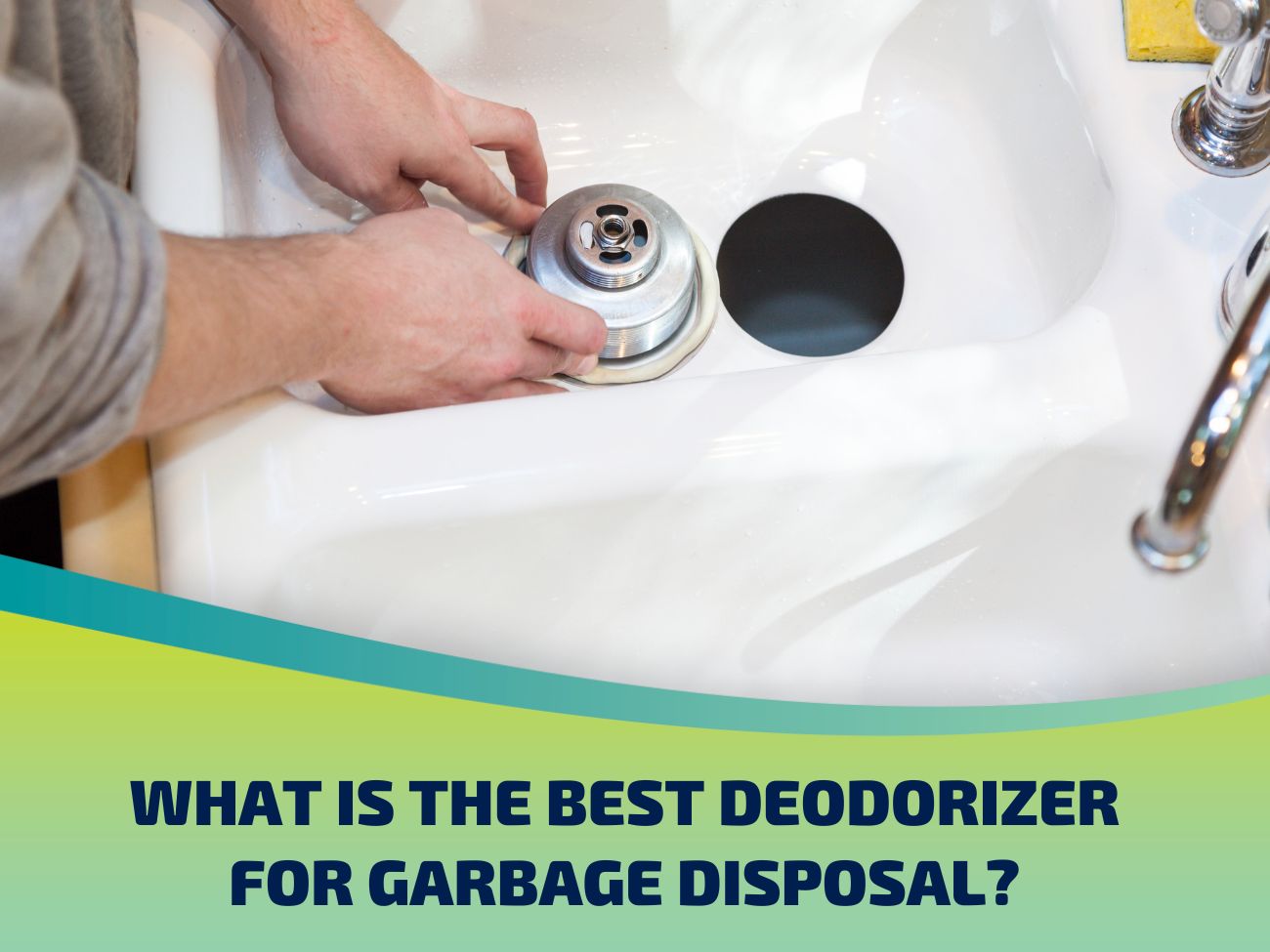
Your kitchen’s garbage disposal can collect many bad smells given the amount of food scraps and liquid that pass through it. If you want to keep it smelling fresh, you might be wondering, “What is the best deodorizer for garbage disposal smells?”

Grasshopper Heating, Cooling, Plumbing & Electrical shares some ways you can clean your garbage disposal and eliminate foul odors. Discover simple methods to get rid of any nasty garbage disposal stench and keep your home smelling clean.

Prevent Smells in the First Place

Why does your garbage disposal stink? You might not think about the food waste you’re sending down the sink but try to be mindful of items that end up in the disposal. As the scraps build up inside, they can form harsh odors that waft throughout the kitchen.

You can use various natural remedies to eliminate smells but the best course of action is to prevent them in the first place. Avoid putting the following items into garbage disposals to keep them from smelling:

  • Grease: Pouring grease down the drain not only makes increases the risk of the garbage disposal clogging but also allows different substances to stick. You’ll not only have to deal with a clogged drain but also harsh odors.
  • Runny foods: You’ll have to clean your system thoroughly when runny foods like eggs or honey get stuck inside the disposal.
  • Small food particles: You might not think that ground coffee beans or other small items would cause a smell, but they contribute to clogs and require a good clean.

Try Baking Soda and Vinegar

What is the best deodorizer for garbage disposals? Experts swear by the proven home remedy of mixing baking soda with white vinegar. All you have to do is pour about a half a cup of baking soda into the kitchen sink drain followed by a half a cup of vinegar.

These basic pantry ingredients form a chemical reaction that will fizz inside your garbage disposal and eliminate existing scraps or particles. Wait a few minutes and then flush out the smell and remaining fizz with hot water.

Utilize Ice With Salt and Vinegar

Cleaning your garbage disposal and getting rid of unwanted odor is as simple as grabbing some ice cubes, rock salt, and vinegar. These household staples are ideal for cleaning debris inside the walls of the disposal so your kitchen doesn’t stink. They combine to scrub any kitchen waste while a hot water rinse completes the process and leaves you with a fresh-smelling sink.

Follow these steps for effective at-home garbage disposal cleaning:

  • Place two ice cubes into the drain.
  • Put either three tablespoons of rock salt or a cup of vinegar into the garbage disposal.
  • Turn on the system and let it operate for a minute.
  • Turn off the disposal and then rinse it with warm water.

Manually Scrub the Garbage Disposal

When you run water from your kitchen faucet and can’t escape the smell coming from your garbage disposal, it’s a telltale sign that it’s due for cleaning. But what is the best deodorizer for a garbage disposal? You don’t have to look further than items already inside your kitchen.

Run cold water into the disposal and then start cleaning it with dish soap and a bottle brush. Manual cleaning allows you to get rid of stubborn food particles and the odor that they emit.

Use Deodorizing Citrus Fruits

While ice, baking soda, and rock salt can effectively clean a garbage disposal, many homeowners prefer to use citrus fruits like:

  • Lemons
  • Oranges
  • Limes
  • Grapefruit

The acidity of these fruits is powerful enough to cut through lingering bacteria and best of all, you’ll enjoy a wonderful, fresh citrus smell after cleaning. Cut up some of the produce, including the peel, and stick slices of fruit into your garbage disposal. Let the system run for a few seconds as you let some cold water run.

If you don’t have any fruit on hand, you can pour some mouthwash into the disposal and let it run to safely get rid of waste and build-up. Mouthwash is also powerful enough to eliminate bacteria without damaging the equipment.

Enhance Your Kitchen Plumbing With Grasshopper Heating, Cooling, Plumbing & Electrical

After reading this guide, you no longer have to wonder, “What is the best deodorizer for a garbage disposal?” Everything from baking soda and vinegar to citrus fruits can help freshen up your kitchen sink and keep your garbage disposal clean. For help repairing or installing this vital plumbing fixture, reach out to Grasshopper Heating, Cooling, Plumbing & Electrical at (518) 545-3271.

How Do You Unjam a Garbage Disposal?

How Do You Unjam a Garbage Disposal?

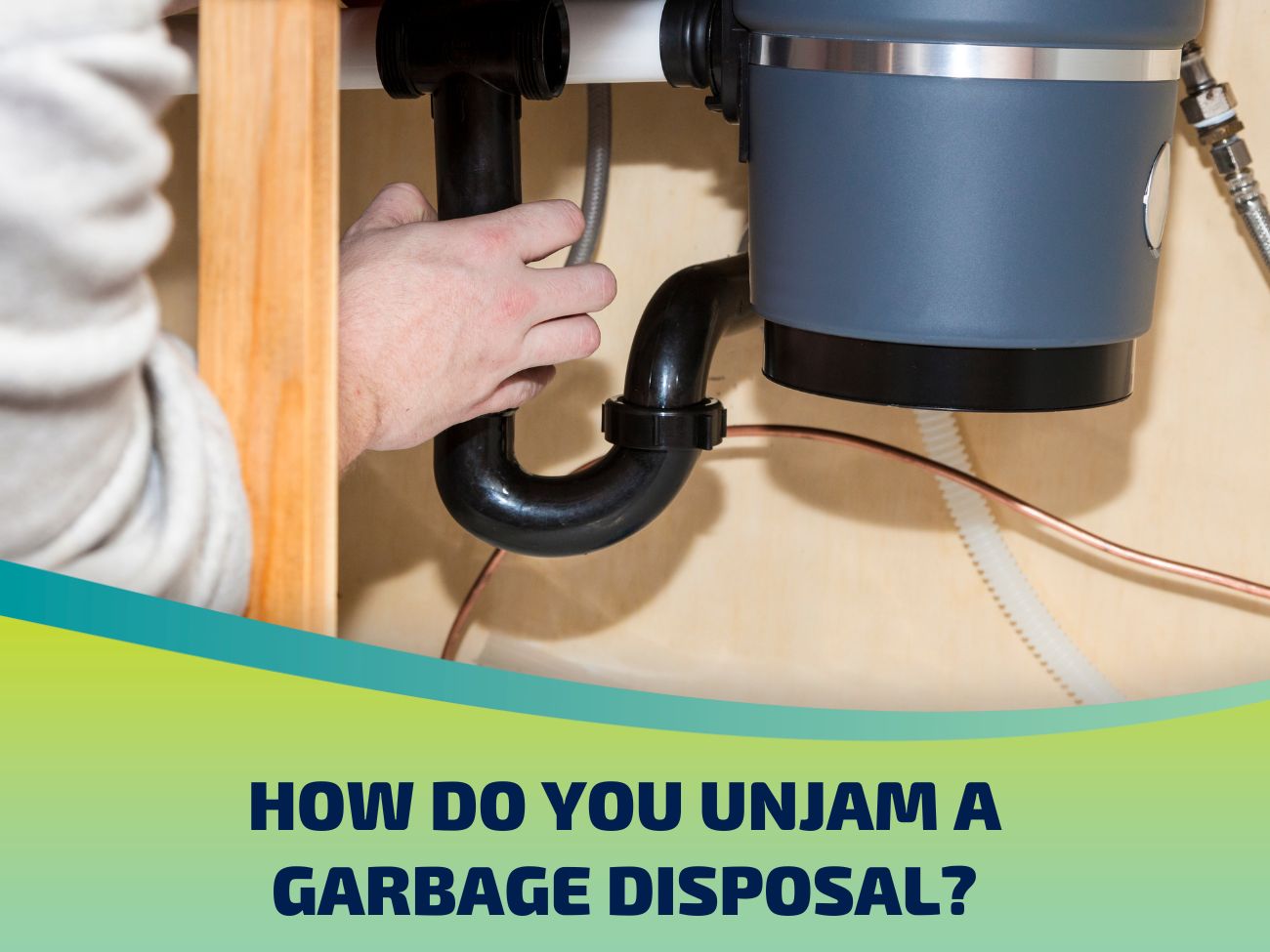
Your kitchen’s garbage disposal prevents clog-forming food waste from going down your sink drain. However, a jammed garbage disposal can fail to ground up food and leave you dealing with unwanted odors and poor plumbing. How do you unjam a garbage disposal and get it working properly?

The plumbing experts at Grasshopper Heating, Cooling, Plumbing & Electrical share the process they follow when handling malfunctioning disposal units. Reading this information lets you know what to expect during a typical repair service.

Evaluate Any Performance Problems

Before you contact a plumber for repairs, it’s important to figure out what’s wrong with your unit. Take note of the issues you’re experiencing, such as:

  • A humming sound when the system runs
  • A slow-draining sink
  • The light switch won’t turn on or off
  • A leak at the bottom of the disposal

Contact a plumber and explain what’s happening with your system. They can typically figure out what’s wrong with your unit based on the symptom and fix it quickly.

Gather the Appropriate Tools

When troubleshooting measures aren’t enough, how do you unjam a garbage disposal? Plumbers tasked with fixing jammed garbage disposals need to gather various tools, including:

  • An Allen wrench
  • A hex wrench
  • Needle nose pliers
  • Screwdrivers
  • A sink plunger

This equipment will come in handy when the system can’t grind up food particles or you hear the motor hum.

Rule Out Electrical Issues With the Circuit Breaker

Ask an expert, “How do you unjam a garbage disposal?” and they’ll tell you the first step often involves basic electrical troubleshooting. A quick inspection will let a plumber know if the problem stems from faulty electrical systems, such as a tripped circuit breaker or a power cord that isn’t connected directly to the wall outlet.

As long as there isn’t water leaking from the bottom of the unit, specialists can restore power to the system by adjusting the internal circuit breaker or plugging it into an electrical outlet. Most disposals have a reset button as well that you can press to restore its function. You’ll often find the reset power switch at the bottom of the garbage disposal.

If the disposal still doesn’t work, it’s worth exploring replacing an old fuse box or electrical service panel. When all electrical components appear fine, plumbers may have to remove a hard object that’s stuck inside the sink’s drain.

Rotate the Blades and Impeller Plate of the Garbage Disposal Unit

A foreign object may prevent the motor shaft and blades from rotating properly. To correct this issue, your Clifton Park plumber needs to move a disposal wrench back and forth on the outer edge of the unit beneath the sink. With the system still in the off position, they can take a wooden spoon or broom handle and put it into the disposal to dislodge the stuck impeller plate.

How do you unjam a garbage disposal with tight blades? If there is any standing water left in the sink, plumbers will pass it through the drain with a plunger. They then loop an Allen wrench through the blade access hole and carefully rotate it until the blades begin to move with ease.

Use Safe Garbage Disposal Practices Going Forward

Now that you know what goes into unjamming your garbage disposal, it’s important to prevent this issue from happening again. Make sure you use the unit safely with the following practices:

  • Avoid putting tough food scraps into the unit: Banana peels, chicken bones, eggshells, and other waste can all damage garbage disposals. Keep your system safe by placing them in the trash bin instead of down the drain.
  • Run cold water when you turn the disposal on: Cold water prevents any fat or grease from liquifying and clogging your drain.
  • Use the system regularly: Letting the unit sit idle for long periods makes it prone to rust and corrosion.
  • Keep the blades sharp: Pour a cup of ice into the disposal and run it every so often to help sharpen the blades.

Other maintenance tips include using the reset button when necessary and replacing a worn-out shredder ring.

Let a Professional Plumber Fix Your Faulty Garbage Disposal Unit – Contact Grasshopper Heating, Cooling, Plumbing & Electrical

At Grasshopper Heating, Cooling, Plumbing & Electrical, we can answer all of your questions about kitchen plumbing, including, “How do you unjam a garbage disposal?” and “What are ways to keep a garbage disposal from smelling?” Reach out to our licensed plumbers if you’re having issues with any of your kitchen plumbing fixtures, including a jammed disposal. Call (518) 545-3271 to request immediate service.

Factors To Consider When Choosing a Heating System

Comparing the heating system options for your Albany home can feel overwhelming. It doesn’t help that almost everyone has an opinion about the “best” way to keep your home warm, but in actuality, there’s no one-size-fits-all solution. What’s right for someone else’s home might not work in yours.

Although your budget is undoubtedly a big part of the decision-making process, there are other factors to consider when choosing a heating system. To get started, focus on these considerations to ensure you get the most cost-effective and energy-efficient equipment. 

What To Think About When Buying a New Heating System 

To get the most for your money and enjoy consistent and reliable heat, compare your options using this checklist. 

Size and Heating Capacity 

Can the heating system warm your home the way you want it to? A system that’s too small won’t produce enough heat, while an oversized furnace will use excessive energy. Your home’s square footage and number of rooms are part of the calculation, but HVAC professionals also take into account your home’s orientation, insulation, and the number of people who live there when calculating the perfect heater size. 

You cannot overlook climate suitability, either, as one of the factors to consider when choosing a heating system. New York winters can be brutal, so a heating system that can keep up with frigid temperatures that consistently drop well below freezing is non-negotiable. This usually means a traditional combustion furnace is the best choice for most homeowners.

Heat pumps offer exceptional energy efficiency, but because they work by transferring heat, they’re not always the best choice for an area that frequently experiences subzero temperatures. 

Energy Source 

Heating systems can get energy from oil, gas, or propane, as well as electricity. When choosing your system, you’ll need to compare the cost of running the furnace as well as the availability and convenience of the energy source. If you already have an oil or propane furnace, you may opt to stay with that style since you likely already have the storage tank in place. 

Energy Efficiency

The U.S. Department of Energy rates furnaces using the Annual Fuel Utilization Efficiency (AFUE) rating to measure the energy efficiency of furnaces, and the Heating Seasonal Performance Factor (HSPF) to rate heat pumps. The higher the efficiency rating, the less it costs to operate the system. 

Overall Cost 

The price of the furnace or heat pump isn’t the only expense to consider. Look at how much you’ll spend to own it, including installation costs and maintenance requirements, when comparing options. Some systems might seem expensive upfront but are actually more affordable over the life of the unit.

Get Help From the Local Experts 

Albany, NY, homeowners who need help making sense of the factors to consider when choosing a heating system can get help from Grasshopper Heating, Cooling, Plumbing & Electrical. 

Call (518) 252-7939 and one of our experienced HVAC professionals can help you navigate these issues and find the perfect solution for your needs and budget. 

Our crew will manage the installation, too, ensuring flawless operation and thermostat compatibility so your home stays comfortable, despite the cold weather. 

What Are the Components of a Gas Furnace?

You probably don’t give much thought to what’s inside your furnace, at least, not until something goes wrong. What are the components of a gas furnace, and how do you know when it’s time to call for furnace repairs? Discover the answers in this guide from Grasshopper Heating, Cooling, Plumbing & Electrical.

Your Furnace’s Major Components Demystified

Gas furnaces feature an array of parts, and unless you’re an HVAC industry pro, it’s tough to know which part does what. Here, we break down the parts of a furnace in plain English.

  • Control board: The control board, or control system, does exactly what it sounds like. This part is the “brains” of your gas furnace, and it consists of electrical controls and a thermostat. The thermostat tells the furnace when to kick on by sending electrical signals to the unit.
  • Pilot light or electronic ignition: Older furnaces have pilot lights, while newer models usually have an electric hot surface igniter that glows red-hot when it’s time for the furnace to kick on. Whichever system your furnace has, it’s responsible for igniting the gas and starting the combustion process.
  • Burner: The burner’s role is to take natural gas from your gas line and turn that gas into fire that provides heat to your home. You’ll find your burner, naturally, in the burner chamber.
  • Blower motor: Blower motors are responsible for transferring heat from the furnace throughout your home. Working together with the blower fan, the blower motor transfers heat by pushing heated air through your home’s ducts. High-efficiency furnaces may have a variable blower that allows you to control the speed of the fan.
  • Flame sensor: The flame sensor recognizes when there’s a fire in the burner chamber and opens the gas valve, allowing gas to flow until the air reaches the desired temperature. If the sensor’s flame rollout switch doesn’t detect a heat source, it will close the gas valve.
  • Combustion chamber: This chamber holds fire-producing components, including the pilot light or electric ignition.
  • Heat exchanger: When your furnace runs, it produces combustion gasses which pass through the heat exchanger. Hot metal heats the air circulating around the heat exchanger, and with the help of the draft inducer motor, gasses travel through your exhaust vents and outside of your home via the vent pipe. Without proper ventilation and a working inducer motor, exhaust gas wouldn’t be able to leave your house.
  • Pressure switch: The pressure switch is a safety feature that sits near the motor. If it detects negative pressure, it shuts the heating system down to prevent back-drafting.
  • Secondary heat exchanger: After leaving the main heat exchanger, flue gas travels into the secondary heat exchanger. Here, water vapor forms, and the liquid adds more heat to the air.
  • Air filter: Because the parts of your furnace burn fuel, you’ll need a high-quality air filter for your furnace system. Filters are responsible for trapping soot, dust, pet dander, and other debris. The higher the filter’s MERV rating, the better it is at filtering contaminants.
  • Carbon monoxide detectors: Carbon monoxide is always a risk with gas furnaces and space heaters, so you’ll need a detector to alert you if it recognizes this dangerous gas drifting through your home.

How Regular Maintenance Keeps Your Furnace Components in Great Shape

Now that you know the answer to the question, “What are the components of a gas furnace?” it’s time to discuss the many benefits of furnace maintenance for furnace components. Here are the perks you’ll get when you schedule maintenance for gas furnaces:

  • Efficient heating: Tired of high heating bills? With furnace system maintenance, you could slash your heating costs by hundreds annually. Our maintenance crew inspects and tests your furnace to ensure it’s running in top condition for peak energy efficiency.
  • Fresh air: A dirty, poorly maintained furnace pushes contaminant-laden air throughout your home. With a well-maintained furnace, you’ll enjoy clean, fresh-smelling air that’s free of gasses and soot.
  • Beat the winter chill: If your home’s internal temperature is starting to dip despite the furnace running nonstop, your furnace needs maintenance right away. Hire us for maintenance and stay cozy when temperatures plummet this winter.
  • Maintain your warranty: Your new HVAC system probably came with a warranty, but without regular maintenance, the manufacturer might refuse to cover repairs. Don’t risk it; call for maintenance today.

How To Know if Your Furnace’s Components Need Repairs

Does your furnace blow cool air instead of warm and refuse to complete the heating cycle? Maybe the heating unit won’t turn on at all. Here’s how to tell if it’s time to call the pros for furnace system repairs.

  • The furnace won’t turn on: If your furnace won’t start in the middle of a New York winter, you’ll definitely want to call a repair crew ASAP. The problem may be something simple, like a faulty thermostat, or something more complex, such as an issue with the flame sensor.
  • The furnace won’t blow warm air: Does your furnace blow cool or lukewarm air? A broken blower motor or cracked heat exchanger may be to blame. Heat exchangers aren’t cheap to repair, but it’s still less expensive than buying a new furnace.
  • The furnace makes scary noises: If your furnace is working properly, you shouldn’t hear anything from it but a gentle hum. Banging, grinding, or screeching noises indicate that something is amiss. If you don’t fix the problem, your furnace might provide inefficient heating or stop working altogether.
  • You smell something bad when passing by the unit: Your furnace and air conditioning system shouldn’t smell bad when it runs. If you smell mold, a rotting stench, or gas, call a pro right away.

Has Your Furnace Stopped Working? Call the Pros at Grasshopper Heating, Cooling, Plumbing & Electrical

Still wondering, “What are the components of a gas furnace?” Our experts at Grasshopper Heating, Cooling, Plumbing & Electrical are happy to explain more about your furnace’s inner workings. When you need repairs for your furnace or air conditioning system, you can count on us to do the job right.

Call (518) 545-3271 to schedule your HVAC service today.

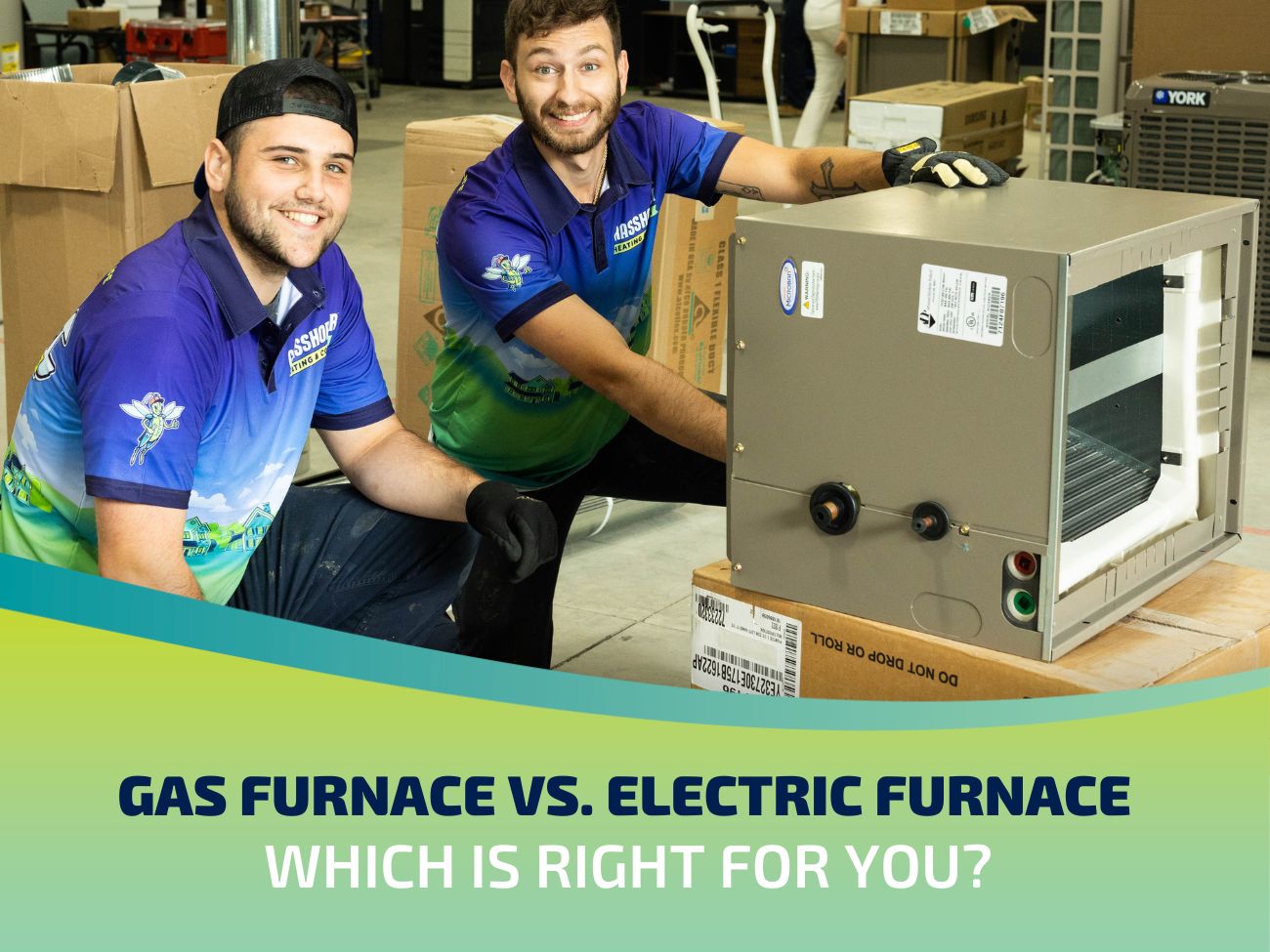
Gas Furnace vs. Electric Furnace: Which Is Right for You?

Your old furnace has broken down yet again, and you’re not willing to pay for repairs. You’d rather buy a new, more reliable furnace that won’t fail you during cold winters. But which should you choose: a gas furnace or an electric model?

This guide compares the pros and cons of a gas furnace vs. electric furnace to help you make the call.

How Do Gas and Furnaces Heat Your Home?

The biggest difference between gas and electric furnaces is how they create heat to keep your house warm. Electric furnaces feature an ignition that triggers the heating system to kick on. The unit sucks cold air into the heat exchanger and heats it over a set of coils. Once the air is sufficiently warm, the furnace’s blower fan pushes it through your home’s ductwork.

A gas furnace, as the name suggests, uses natural gas to keep your home cozy. Gas furnaces feature a pilot light which ignites the burner and warms up the heat exchanger. The exchanger then heats air and pushes the warmed air through your ducts, just like an electric furnace. The pilot light turns off once the thermostat detects that the air has reached your desired temperature.

Electric Furnace vs. Gas: Which Will Save You the Most Money?

This is one of the most common questions we get here at Grasshopper Heating, Cooling, Plumbing & Electrical. Which type of furnace is easiest on your wallet?

To answer this question, you’ll have to weigh the initial cost of the unit against utility costs. How much does an electric furnace cost vs. a gas unit? Initial costs tend to be lowest for electric furnaces. Electric models cost an average of $800*, and you’ll pay an HVAC company anywhere from $2,000* to $7,000* to install one.

Gas furnaces are more expensive upfront. The unit itself costs around $2,000*, and furnace installation will run you anywhere from $3,800* to $10,000*. If you don’t already have a natural gas line serving your home, you’ll have to pay extra for one.

Although gas furnaces cost more to buy and install, they take the prize for being cheaper to run. A gas furnace has lower operating costs at an average of just $16 per BTU. Compare that to electric furnaces, which cost an average of $41 per BTU. Electricity almost always costs more than gas, so you’ll pay higher operating costs if you go electric.

Where you live makes a big difference in your heating bills, too. If you live in a warm place and don’t use your furnace often, it makes sense to stick with electric heat. In colder climates, like New York’s, natural gas furnaces are more affordable to run.

There are also maintenance costs to consider. Both types of furnaces need regular maintenance to keep the warm air flowing and your energy bill as low as can be. Annual maintenance ensures your furnace keeps on kicking for years to come. With good maintenance, the expected lifetime of a gas furnace is 15-20 years, and electric units last about 20-30 years.

*costs are based on a national average report by Angi and are not necessarily reflective of Grasshopper Heating, Cooling, Plumbing & Electrical’s pricing. For an accurate furnace replacement/installation estimate, please call our office at 518-545-3271.

Electric or Gas Furnace: Which Is Safest?

Despite the many gas furnace pros, there’s no getting around the fact that they produce carbon monoxide. Carbon monoxide production occurs when a natural gas furnace combusts fuel. If there are clogs in your venting systems or cracks in the gas lines or heating equipment, you’ll end up with dangerous carbon monoxide leaks. Annual maintenance for high-efficiency gas furnaces is a must to detect leaks and keep air quality high.

If you’d rather not worry about such safety concerns and don’t want to risk carbon monoxide poisoning, you may want to stick with an electric forced-air furnace.

Which Is the Most Environmentally Friendly?

If you care about minimizing carbon emissions from your energy usage, you’re probably comparing a gas furnace vs. electric furnace to figure out which is more eco-friendly.

Gas heat may not be the best choice if you’re worried about your carbon footprint. Gas furnaces burn natural gas, which produces emissions and greenhouse gases. Electric furnaces don’t burn gas or heating oil, so they’re usually more environmentally friendly.

However, exactly how environmentally friendly an electric furnace is depends on the source of electricity. If the electricity comes from a clean source such as wind or hydro, the environmental impact is low. But if the electricity relies on burning fossil fuels, an electric furnace can be just as damaging to the environment as a gas model.

For the ultimate in heating efficiency and environmental friendliness, consider a heat pump. These systems rely on warmth from the air or ground to heat your home. In addition to serving as a heat source, a heat pump can also cool your home, so you may not need to use a separate air conditioning system. Heat pumps perform best in moderate climates, but you can find some heat pump models (such as dual-fuel systems) that work well in cold climates like New York’s.

Choosing Between Electric and Gas Furnaces

Still having trouble deciding between an electric furnace vs. gas? Here’s a recap to help you decide whether an electric or gas furnace is right for you.

  • Gas and oil furnaces are usually more expensive than electric ones upfront, but typically cost less than an electric furnace to run. A gas furnace is a good pick for homeowners in colder climates.
  • Gas furnaces produce carbon monoxide, while electric furnaces don’t.
  • An electric furnace is more environmentally friendly than a gas heating system.
  • Electric furnaces generally last a few years longer than gas furnaces.

Ready To Install Your Furnace? Call Grasshopper Heating, Cooling, Plumbing & Electrical

Gas furnace vs. electric furnace: Which should you choose? If you can’t decide between the many models of gas, electric, and oil furnaces, give Grasshopper Heating, Cooling, Plumbing & Electrical a call. We’ll help you pick the right furnace for your Clifton Park home. We offer furnace maintenance and air conditioning maintenance, too!

To schedule furnace installation, call Grasshopper Heating, Cooling, Plumbing & Electrical at (518) 545-3271.

A Comprehensive Guide to Water Heater Longevity

Maybe your showers aren’t as hot as they used to be, or perhaps your water heater is making some disconcerting noises when it runs. You’re staring anxiously at your water heater, wondering whether it’s running on borrowed time.

How long can water heaters last, and is there anything you can do to squeeze more life out of yours? Find out in this guide to water heater longevity.

Factors Affecting Water Heater Life

What determines how long your water heater will last? Here are the main factors:

  • Type of water heater: The type of water heater you have is one of the biggest factors in determining its lifespan. Traditional tank units typically last eight to 12 years, while tankless models can keep on trucking for up to 20 years.
  • Fuel source: The fuel source your water heater relies on determines its lifespan as well. Electric water heaters generally last 10 to 15 years. Gas models typically last eight to 12 years.
  • Excessive use: Using your water heater too much will, naturally, decrease its lifespan.
  • Too-high temperatures: Those ultra-hot showers may feel great, but you’re not doing your water heater any favors.

Extending Water Heater Life

Here’s how to improve water heater longevity and get the most out of your unit:

  • Install a filtration system: Filtration systems can slash the mineral content of your water, reducing the risk of sediment buildup and corrosion.
  • Use moderate temperature settings: Setting your unit to a moderate temperature reduces component wear. Your energy bills will go down, too.
  • Insulate the tank and pipes: Wrapping the unit and pipes in insulation can extend the water heater’s lifespan. That’s because the unit won’t have to work as hard to maintain the water temperature.
  • Schedule regular maintenance: Annual maintenance catches little issues before they become life-ending problems for your water heater. Additionally, regular maintenance might be required to maintain your water heater warranty.

Home owners often wonder if it is possible to perform a DIY water heater flush. Read more about the challenges you may face doing it yourself.

Signs Your Water Heater Needs Replacement

Is your water heater on its way out? Here’s how to tell.

  • It’s ancient: If your water heater is past its prime, it’s time to start thinking about a replacement. Not sure of your unit’s age? Find the serial number and search for it online. That’ll tell you when the unit was made.
  • Water heater efficiency is plummeting: Skyrocketing utility bills often mean that a replacement water heater is in the cards. The good news? Energy-efficient water heaters can slash your utility bills big time.
  • Inconsistent water temperature: Does the water suddenly turn freezing during your morning shower? Get ready to start shopping for a water heater replacement.
  • Strange noises: If your system is making scary noises, it’s usually best to replace it sooner rather than later.
  • Leaks: Leaks are never a good sign. If your unit has sprung a leak, a replacement might be in order.

Continue Reading: Is It Normal for A Water Heater To Make Popping Noises?

Water Heater on Its Last Legs? Call Grasshopper Heating, Cooling, Plumbing & Electrical

Want to improve water heater longevity or swap your aging unit out for a more efficient model? Call Grasshopper Heating, Cooling, Plumbing & Electrical and we’ll spring into action! Reach out to us at (518) 545-3271 to schedule water heater maintenance or replacement today.

What Does a Furnace Tune-Up Include?

Do you rely on your furnace to get you safely and comfortably through those cold winter months? When you prioritize scheduling a furnace tune-up with Grasshopper Heating, Cooling, Plumbing & Electrical, you’ll have confidence it will last throughout the coldest parts of the season. With friendly and expert technicians, we find a solution to every problem.

Everything Included in Furnace Tune-Ups

What happens when you schedule a tune-up for your HVAC system? The HVAC technician will take the following steps to ensure your system makes it through the entire heating season.

Inspecting the Furnace

The first part of an annual furnace tune-up is inspecting the entire system, not just the furnace. To keep your furnace running smoothly, the technician will inspect the following components:

  • Heat exchanger: The heat exchanger is an essential part of your heating system that warms the air that passes over it. A cracked heat exchanger can cause serious problems like carbon monoxide leaks and skyrocketing energy bills.
  • Ductwork: Your venting system distributes warm air throughout your home. A heating tune-up ensures the vents are not blocked and delivers the air evenly to each room.
  • Fire hazards: The HVAC technician will inspect your system for a gas leak or curtains or furniture that could cause a fire around the furnace cabinet.
  • Air filter: When your air filter clogs, it can cause a furnace breakdown or raise utility bills. The technician will replace your filter.
  • Ignition: Gas furnaces use pilot lights, so one essential part of heating system tune-ups includes confirming it doesn’t have any issues.
  • Electrical connections: Loose or corroded electrical connections can prevent your heating system from working. Any furnace tune-up and inspection must include checking these elements.

The above is just a small sampling of what the inspection includes. They’ll also look at the furnace’s blower motor, gas valve, gas pressure, and more.

Cleaning the Heat Exchanger and More

After inspecting your HVAC system, the next step for furnace maintenance includes cleaning any dirty components. Buildup often becomes most severe on the heat exchanger, air filter, the blower motor, and your home’s air supply ducts. Cleaning these components avoids more costly repairs in the future and maintains the energy efficiency of your furnace system.

Lubricating Various Components

When homeowners use their heating systems frequently, wear and tear can reduce the lubrication, eventually causing friction that can damage various components. When the technician lubricates during routine maintenance, you’ll save money in the long term.

Calibrating the Controls

If the technician finds your thermostat doesn’t work correctly, they can often recalibrate it rather than completely replace it.

Testing the System

After heating maintenance, the technician will test the system and ensure the heat pump, furnace, thermostat, and other components all perform in peak condition.

Signs You Need a Heating System or Furnace Inspection

How do you know when heat pumps could benefit from repairs or if you need a furnace tune-up?

Rising Heating Bills

If you notice your energy bills increasing, you have an early sign you need a maintenance tune-up. When a heat pump or furnace experiences wear and tear, it uses more fuel to produce heat. If tune-ups or repairs don’t fix the issue, the technician may suggest a new furnace.

Safety Issues

Do you have a carbon monoxide detector beeping or smell a gas leak? You need an immediate furnace tune-up to avoid serious complications for your home. Prioritize your safety by getting out of the house, then call for help.

Poor Performance

Regular maintenance should help you avoid poor performance during most of the winter. However, if your furnace works overtime during extreme temperatures, you’ll likely need a tune-up.

Poor performance includes the following problems:

  • A lack of heat in your home, such as lukewarm air
  • A different temperature in each room in your home
  • Requiring more time to reach your desired temperature
  • An increase in respiratory issues or allergies
  • High humidity levels in your home
  • A furnace that doesn’t turn on or that turns on and off quickly
  • Concerning smells or noises that come from your device

Schedule Furnace Maintenance With Grasshopper Heating, Cooling, Plumbing & Electrical Today

When you need a furnace tune-up, you won’t find a better option than Grasshopper Heating, Cooling, Plumbing & Electrical. We’re your comprehensive HVAC service provider, which means we can also keep your cooling system and air conditioning unit in peak condition. We remain available 24/7 for rapid emergency response.

To book an appointment, call (518) 545-3271 today.

What Does a Failing Furnace Sound Like?

If you hear a loud noise coming from your heating system, reach out to an HVAC contractor for furnace repair services. This guide from the experts at Grasshopper Heating, Cooling, Plumbing & Electrical reveals how to pinpoint a failing furnace sound and the heating issue you’re likely dealing with as a result. Knowing this information can help you detect and resolve furnace problems quickly.

Loud Noises That Signal Furnace Problems

It’s not uncommon to hear certain furnace noises, including humming or clicking noises. However, some sounds can indicate broken components that can affect your heat cycle. To safeguard vital parts like your heat exchanger and blower wheel, check out the five furnace noises you shouldn’t ignore.

Whistling Sounds

Furnace whistling noises aren’t just irritating, but they can also cost you a lot of money as you continue to heat your home. The whistling sound usually stems from minor leaks in the air ducts, which causes heat to escape through the vents rather than fill your home. Routine maintenance can make sure your ductwork stays in good condition instead of releasing heat that forces the furnace to work harder.

Screeching Sounds

If you hear a high-pitched squealing noise, some of the furnace’s moving parts, such as the fan belts, may require lubrication. Addressing this problem quickly can prevent further damage to the system, so don’t ignore the loud noise you hear.

Scraping Sounds

Ask an expert, “What does a failing furnace sound like?” and they’ll tell you to pay attention to any scraping or grinding noises. This distinct sound might indicate loose parts or issues with your blower motor. The best thing to do if you hear this or other furnace noises is to shut down your system and let a professional inspect it.

Buzzing or Rattling Sounds

A rattling sound coming from your furnace might mean you have faulty shaft bearings or other loose components. Continuing to run the heater will cause the rattling noises to worsen and risk your system shutting down entirely.

Banging Sounds

If you turn on your heater and notice a delayed ignition followed by a loud banging noise, you likely have gas buildup within your furnace. Call a licensed HVAC repair company near you to inspect the system and rule out other concerns.

Common Furnace Issues Requiring Repairs

Understanding failing furnace sounds will signal that it’s time to call for repairs. What types of issues can you expect a technician to fix? Below is a breakdown of furnace problems that lead to hearing abnormal noises from your system.

Faulty Blower Motor and Blower Wheel

If you tell a repair technician that you hear grinding noises coming from your heater, they’ll likely check the fan motor and blower wheel first. These components can wreak havoc on your system when they’re not in excellent condition and leave you dealing with:

  • Loud sounds
  • Limited airflow
  • High energy costs

Depending on the age of your system, you might need to replace the unit rather than repair the faulty components.

Cracked Heat Exchanger

The furnace’s ignition system becomes an issue if you hear popping or banging noises. Dirty burners cause these sounds, which can ultimately be loud enough to damage the heat exchanger. If this happens, your combustion chamber has trouble operating safely since carbon monoxide and other toxic fumes can escape through the cracks in the heat exchanger, putting your household in harm’s way.

Having a carbon monoxide detector in your home can keep you safe if gases start to escape from your furnace. Evacuate the house immediately and have a qualified technician address all furnace safety and performance concerns.

Clogged Air Filter

You might not think that dirty air filters are a cause for furnace repair. However, clogged filters can result in costly repairs since they promote restricted airflow and hurt the indoor air quality. This ends up leading to problems that affect the entire furnace.

Contact Our HVAC Experts for Professional Heating Repairs

Knowing what a failing furnace sounds like can help you determine when it’s time to call for help. If you hear noises coming from your furnace, reach out to Grasshopper Heating, Cooling, Plumbing & Electrical for assistance. We can restore your system’s heating cycle and prevent it from making strange noises again.

Our technicians also specialize in air conditioning repairs and are ready to help if warm air flows through your vents instead of cool, comfortable air. Call Grasshopper Heating, Cooling, Plumbing & Electrical at (518) 545-3271 to request your furnace repair service today.

What To Do When Your Water Heater Isn’t Getting Hot Enough

Are you stressed that your water heater is not getting hot enough and sick of lukewarm showers? When you call a professional plumber with Grasshopper Heating, Cooling, Plumbing & Electrical, you’ll love how quickly you restore your hot water supply.

Why Your Water Heater Is Not Getting Hot Enough

From faulty heating elements to a broken dip tube, several issues can prevent your hot water heater from performing well. In many cases, calling a professional for water heater repair can fix the problem. But in some cases, you may need a new water heater tank or model. When that happens, consider upgrading to a tankless water heater or another innovative model.

Thermostat Issues

Both gas and electric water heaters have a thermostat at the bottom of the tank, which sets the temperature for your water. Most homes set the thermostat between 120 and 140 degrees, and anything lower likely won’t feel warm enough. You may have bumped your thermostat or you have a faulty thermostat that needs replacement.

Broken Gas Valve

If you feel your water heater is not getting hot enough, you may have a faulty gas valve, a feature included in all gas water heaters. The valve regulates the flow of natural gas, so if it doesn’t deliver enough to your water heater, you’ll have lukewarm water.

If you don’t know whether you have an electric water heater or a gas model, your plumber can tell you. You should also never replace the gas valve yourself.

If you smell rotten eggs or feel dizzy or nauseous, you could have a gas leak. Leave your home immediately and then call your gas company once you’re a safe distance away.

Power Issues

If you have an older electrical system or faulty wiring, your water heater may cause a blown fuse. You may not know when your water heater shuts off, but a lack of hot water is a clear sign you may have power issues.

Excessive Demand

If you recently increased your hot water demand or installed a hot water heater that is too small for your home, you may experience lukewarm water. This happens because the heating elements cannot warm the incoming cold water fast enough before it leaves the water tank. Tankless units almost always avoid this issue.

Sediment Build-up

When dissolved minerals and other debris settle at the bottom of the tank, it can hurt the effectiveness of your hot water heater. At worst, you’ll experience cold water, but with only a minor problem, you’ll have only lukewarm water. A plumber can clean the water heater tank, restore the correct hot water temperature, and even help you conserve energy.

Leaking Hot Water Tank

If you’re wondering why your water heater is not getting hot enough, inspect the hot water tank for condensation or puddles. Your water tank shouldn’t leak, but corrosion and wear and tear can cause enough damage to make a hole.

Worn Out or Broken Components

Over time, your hot water heater can develop wear and tear, which leads to the following issues:

  • Broken dip tube: The dip tube guides the cold water into the bottom of the tank over the two heating elements. A broken dip tube can prevent the tank water from adequately heating up.
  • Clogged drain valve: Clogged drainage can increase the sediment in the hot water tank and prevent you from obtaining adequate hot water.
  • Old anode rod: This rod helps prevent corrosion in your hot water tank, but you must replace it every three to five years.
  • Faulty heating element: If your dip tube leads to a broken heating component, you won’t get enough hot water for your home.

What To Do When You Lack Hot Water

If you don’t have enough hot water, follow these steps:

  1. First, check the thermostat on your device to determine whether you set it too low.
  2. Next, inspect the appliance for signs of damage or puddles on the floor around it.
  3. Inspect your fuse box or electrical panel for a tripped breaker.
  4. Call for repairs or replacement.

If the plumber determines you need a new water heater, use the opportunity to buy a more efficient model that will save you money in the long term.

Helpful Resource: 8 Reasons To Consider Water Heater Replacement Now

Schedule Hot Water Services With Grasshopper Heating, Cooling, Plumbing & Electrical Today

When your water heater is not getting hot enough, don’t delay calling Grasshopper Heating, Cooling, Plumbing & Electrical. From regular maintenance to installing plumbing fixtures, we perform every job with excellence and for a competitive price. We take pride that our services keep you safe and comfortable.

To book an appointment, call (518) 545-3271.

Why Does My Toilet Keep Clogging?

Dealing with a toilet that keeps clogging can be frustrating, especially if you’re not sure what’s causing the disruption in the plumbing system. Use this guide to narrow down the reasons why your toilet keeps clogging and reach out to Grasshopper Heating, Cooling, Plumbing & Electrical for professional toilet repairs and drain cleaning services.

Common Causes of a Clogged Toilet

Frequent toilet clogs can happen for a number of reasons. You might experience water backup, slow drainage, and other issues due to the following scenarios, leading to toilet clogs.

Too Much Toilet Paper

If you have a toilet that keeps clogging, evaluate your toilet paper usage. Excess toilet tissue can cause sewer line clogs and prevent your system from flushing properly. Use limited amounts of single-ply toilet tissue to preserve your drainage system.

Flushing Non-Flushable Items Down the Toilet Bowl

Human waste and toilet paper are the only items safe for flushing. Sending non-flushable paper or hygiene products like cotton balls down the toilet can form a stubborn sewer line clog that affects other plumbing fixtures in your home.

Tree Root Penetrations

Say you take care of your plumbing system by flushing only appropriate objects down the toilet drain, yet you can’t seem to resolve your toilet clogging issue. Have an expert inspect your main sewer line for damage. Many homeowners have tree roots that obstruct their sewer pipes and create huge blockages.

Plumbers often recommend the following measures to repair the clogged sewer line:

  • Hydrojetting
  • Replacing the damaged pipe
  • Removing the tree

Not addressing the underlying problem will mean the toilet keeps clogging as well as shower drains, sinks, and other essential plumbing fixtures.

Using a Low-Flow Toilet

Homeowners with older low-flow toilets tend to deal with clogs more frequently due to the poor flushing pressure. You can conserve water while experiencing a more powerful flush with modern toilets.

Blocked Toilet Vent

Every plumbing and toilet vent penetrates the roof to release gases into fresh air rather than through your home. Debris like leaves or twigs can fill the vent and prevent your toilet from flushing properly.

Clogged Toilet Trap

Similar to your sink’s P-trap, every toilet comes with its own trap that blocks the flow of harmful sewer gases. The toilet trap can fill up with bathroom waste and other debris over time, which makes it difficult for wastewater to flow through the drain pipe.

How To Repair a Clogged Toilet

When a toilet keeps clogging, it’s equally important to know what’s causing the issue as well as how to fix it. Below are essential ways to both fix and prevent toilet clogs.

Use Basic Plumbing Tools

Excess toilet paper or an obstructed toilet trap can leave you dealing with a slow-draining system. A flanged toilet plunger can usually resolve the issue and cause water to flush at full force through the drain. Sealing the plunger’s rubber base over the drain and pumping it up and down with the handle can remove the blockage with suction force.

A toilet auger, also known as a snake, can tackle clogs caused by foreign or non-flushable objects. Plumbers carefully send the toilet auger through the drain and can either break apart or remove the blockage once they reach it.

Replace Outdated Equipment

For clogs caused by damaged sewer pipes or ineffective low-flow toilets, your best bet is to replace your existing equipment. Plumbers will recommend replacing your underground pipe material when hydrojetting and other sewer line repairs don’t resolve the issue. They can also upgrade your older toilets if they don’t flush properly or require frequent repairs.

In some cases, you might need to install new equipment to safeguard your plumbing. Homes with hard water, for example, can deal with clogged drains because of the mineral buildup. Installing a water softener alleviates this problem.

Change Your Habits

Clearing the clog could only be a temporary fix if you don’t change some of your bathroom habits. For example, continuing to use too much toilet paper or flush unsafe items will require ongoing repairs. Installing a bidet in your bathroom can help you avoid toilet paper clogs, and keeping a waste bin nearby allows you to properly dispose of other toiletries.

Schedule Professional Plumbing Services and Repair Any Toilet Issue

If your toilet keeps clogging due to blocked toilet vents, damaged sewer lines, or any other issue, reach out to Grasshopper Heating, Cooling, Plumbing & Electrical. We offer unbeatable plumbing services in Clifton Park, NY and the surrounding areas and can restore your drain line so the toilet flushes properly. Submit our online request form or call (518) 545-3271 to schedule repairs to your toilet and drain lines.